

 русский
 Español
 عربى
عربى
Sheet Metal Storage Rack
CONTACT US
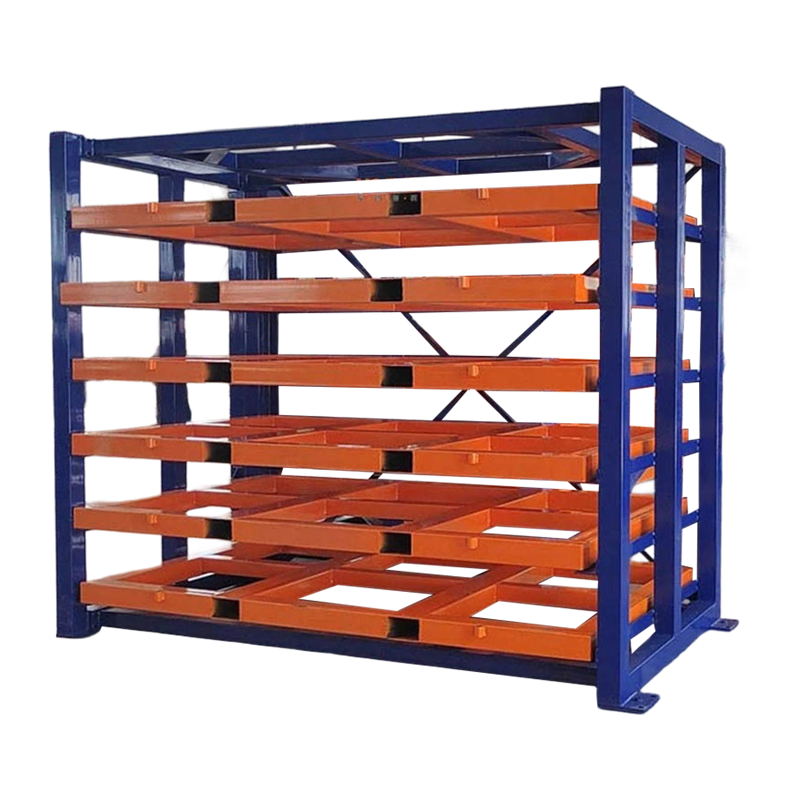
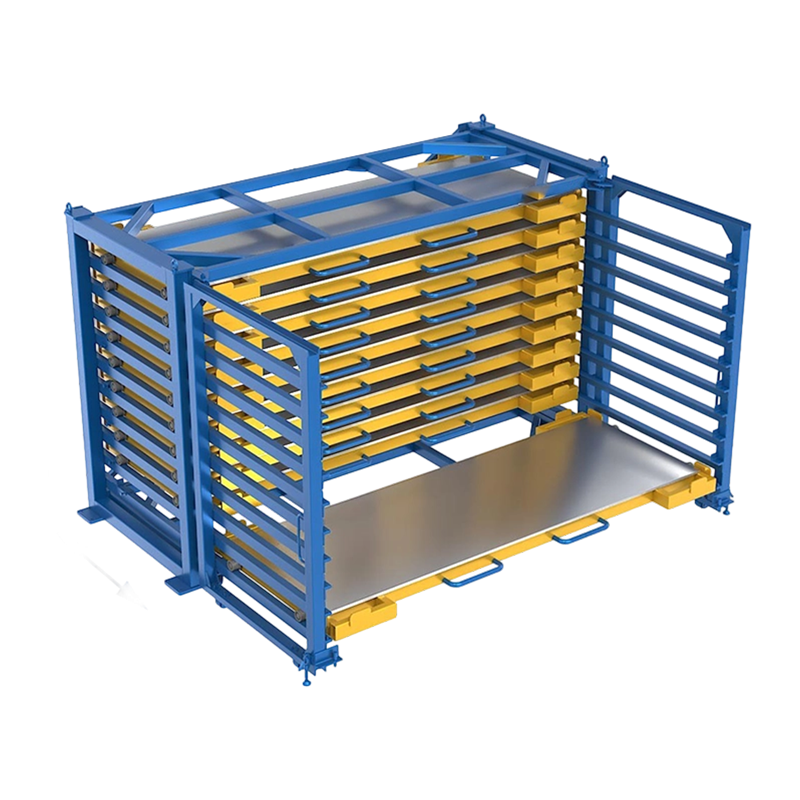
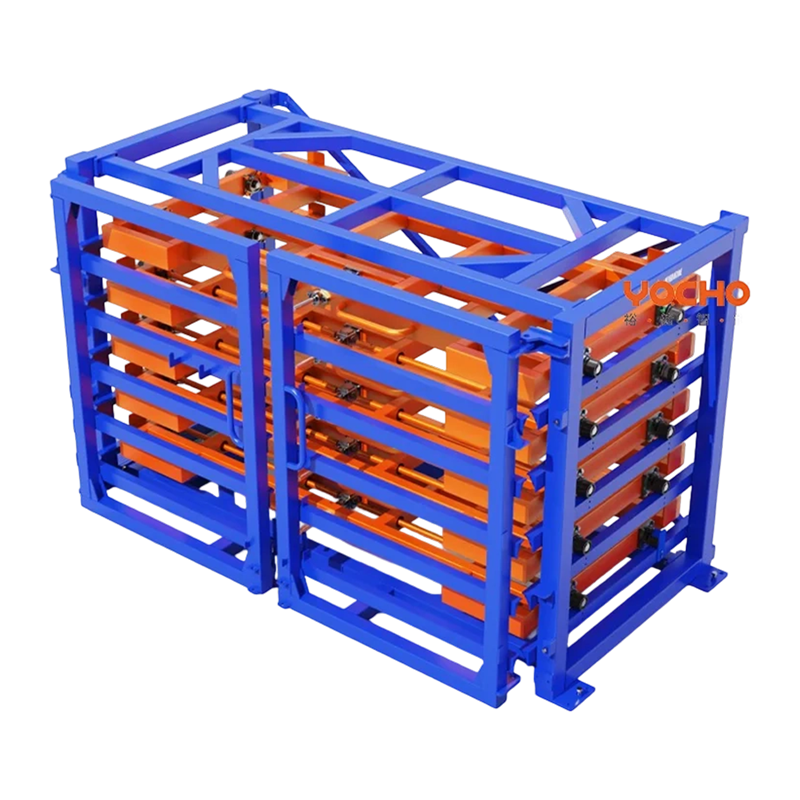
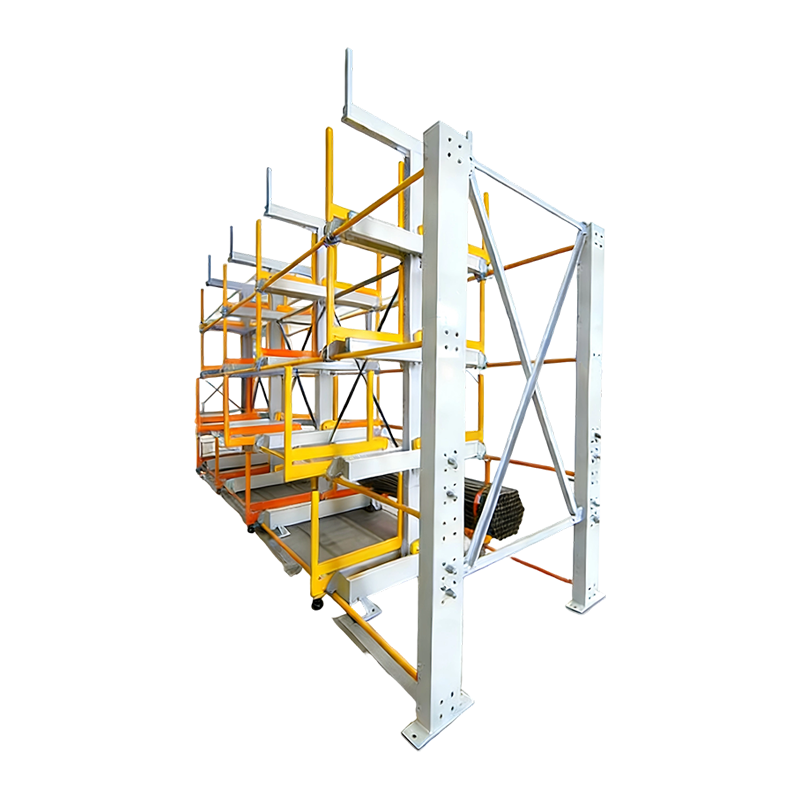
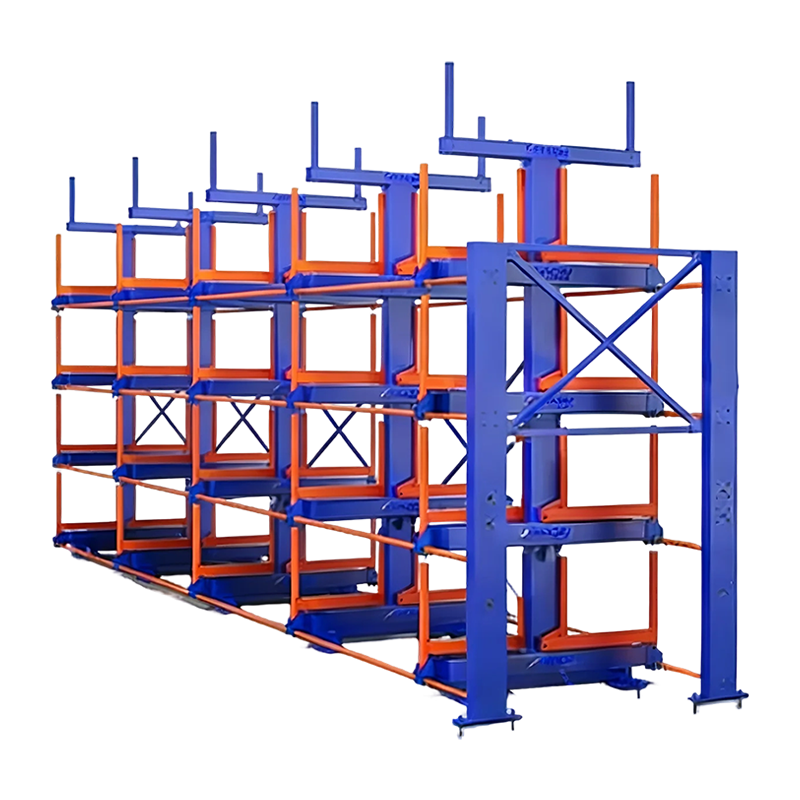
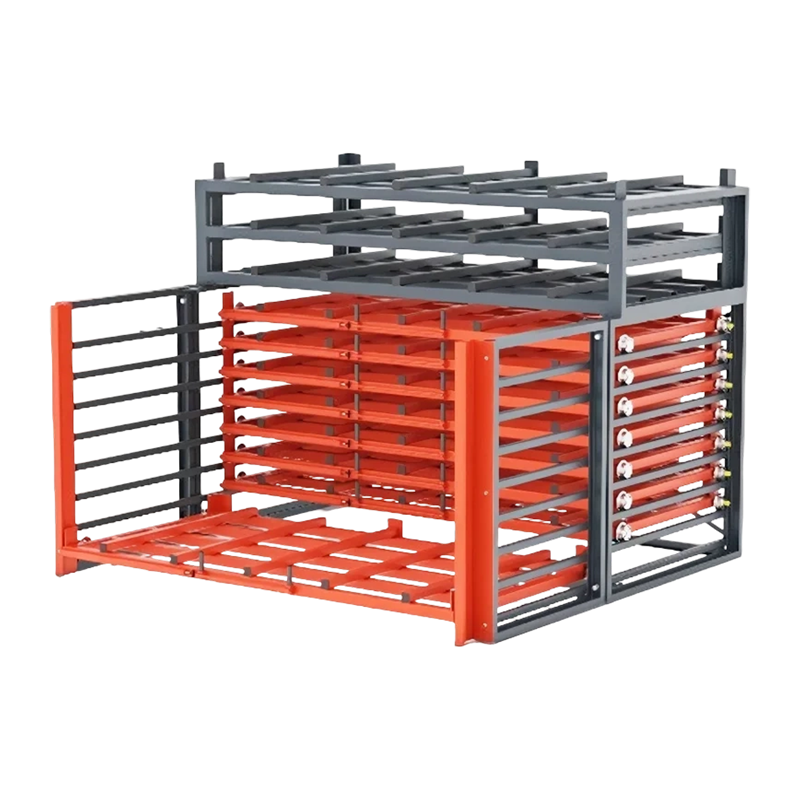
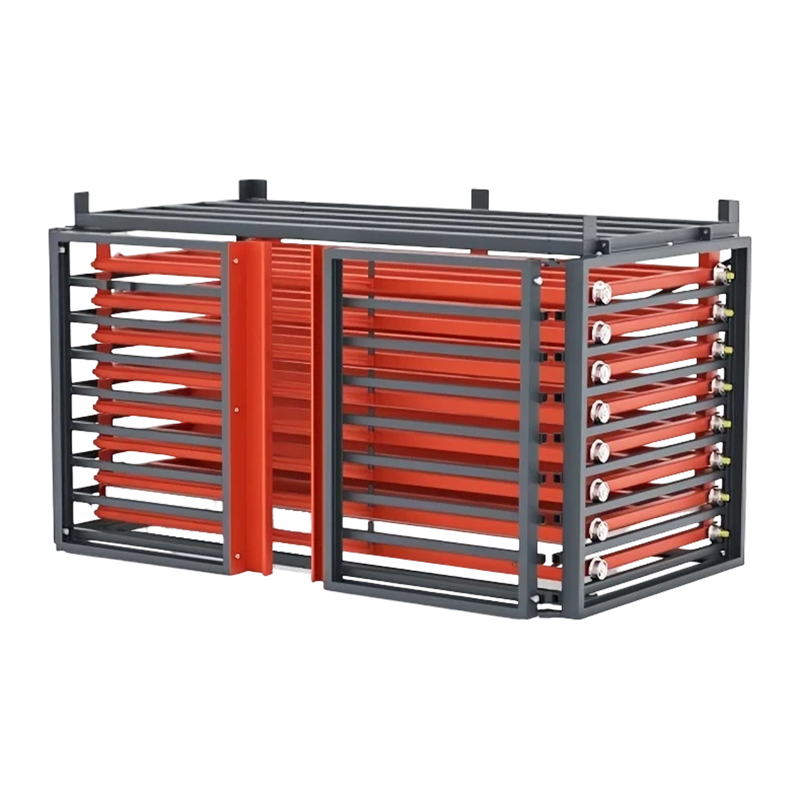
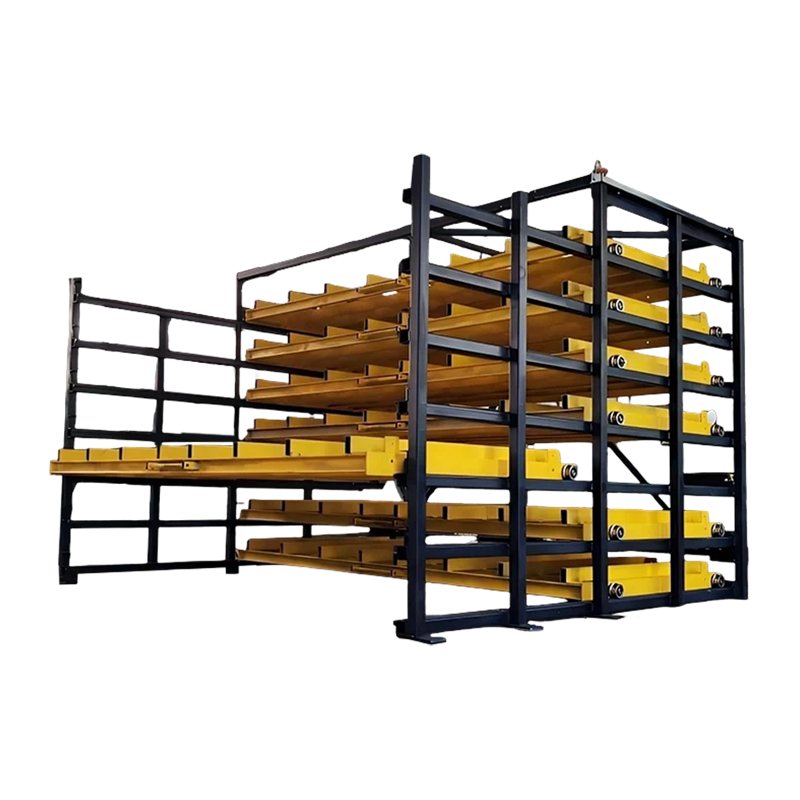
High-Capacity Forklift Storage Racks High-Density Sheet Metal Storage Racking
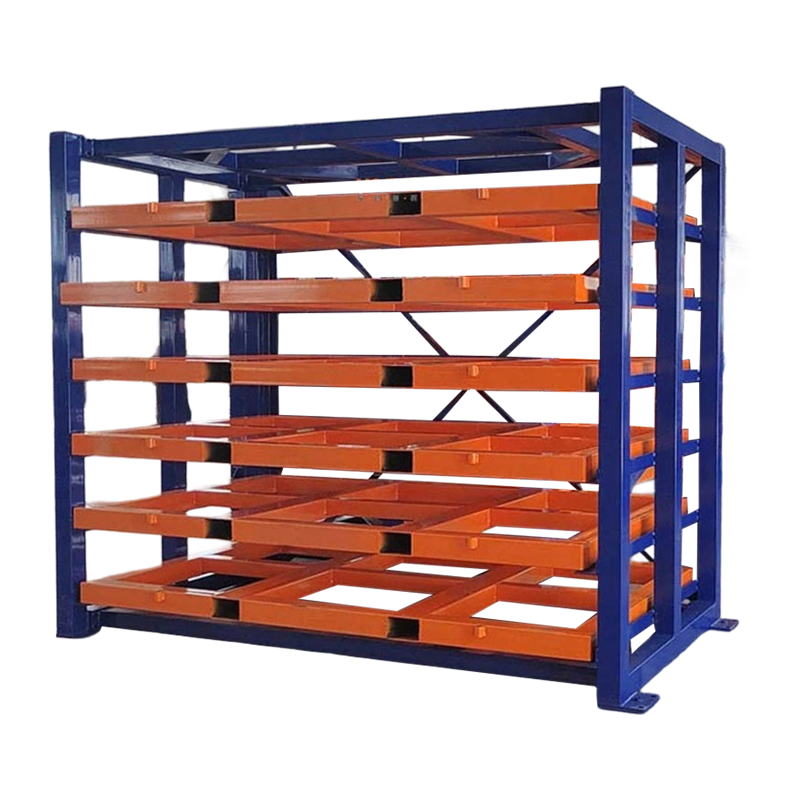
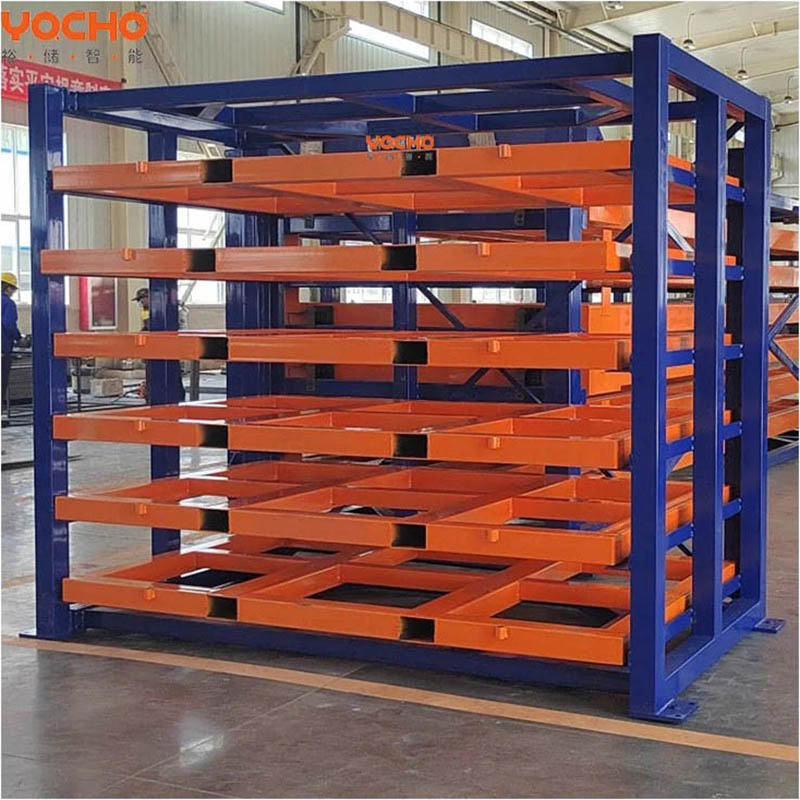
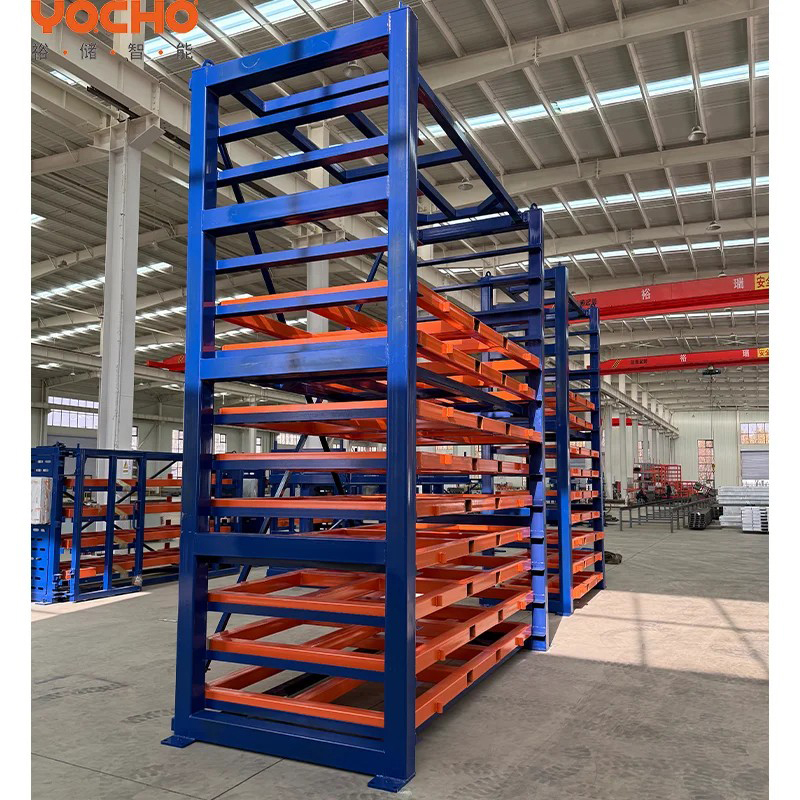
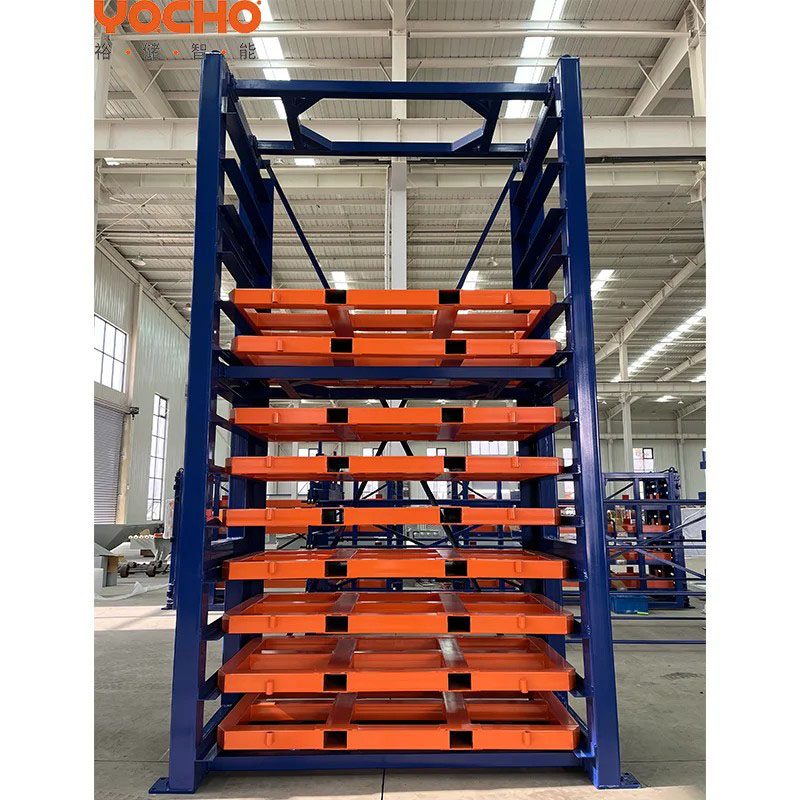
Due to limited storage conditions, many enterprises still rely on traditional floor-based storage methods, placing steel plates directly on the ground. Although this approach appears convenient, it occupies large amounts of valuable floor space, especially when storing sheets of different sizes and specifications. Stacked materials are difficult to access, and retrieving plates from lower layers requires additional handling, reducing efficiency and increasing labor costs.
To solve these problems, vertical storage offers a more efficient alternative. High-capacity, high-density sheet metal storage racks fully utilize vertical space, allowing materials to be stored in an organized, multi-layer structure. This design improves accessibility, increases storage density, and significantly enhances overall storage efficiency while reducing space usage and operating costs.
- DESCRIPTION
- TECHNICAL PARAMETERS
- CONTACT US
- ABOUT US
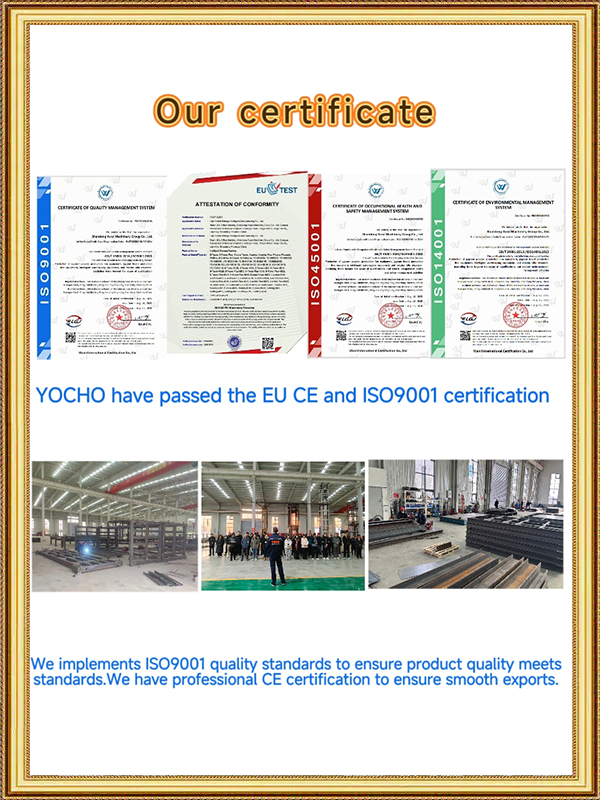
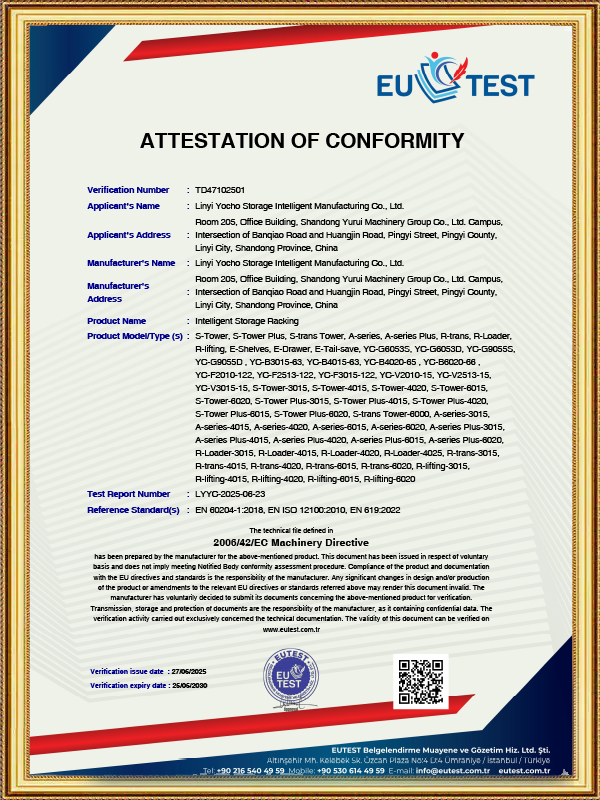
HONOR & CERTIFICATION
CERTIFICATE


If you are interested in our products, please consult us
PRODUCTS
NEWS CENTER
20 Jul 26---Overviews: What "Semi-Automated" Actually Means for a Warehouse Somewhere between a warehouse run entirely by forklift drivers and one where robots handle every pallet from dock to shelf sits the setup most manufacturing facilities actually operate: ...
MOBILE TERMINAL

CONTACT US
- ADDRESS: Room 205, Office Building, Shandong Yurui Machinery Group Co., Ltd., at the intersection of Banqiao Road and Huangjin Road, Pingyi Street, Pingyi County, Linyi City, Shandong Province.
- PHONE: +86-19819101584
- EMAIL: [email protected]
