

 русский
 Español
 عربى
عربى
Long Material Storage Rack Guide: Types, Safety & Selection
 2026.04.30
 Industry News
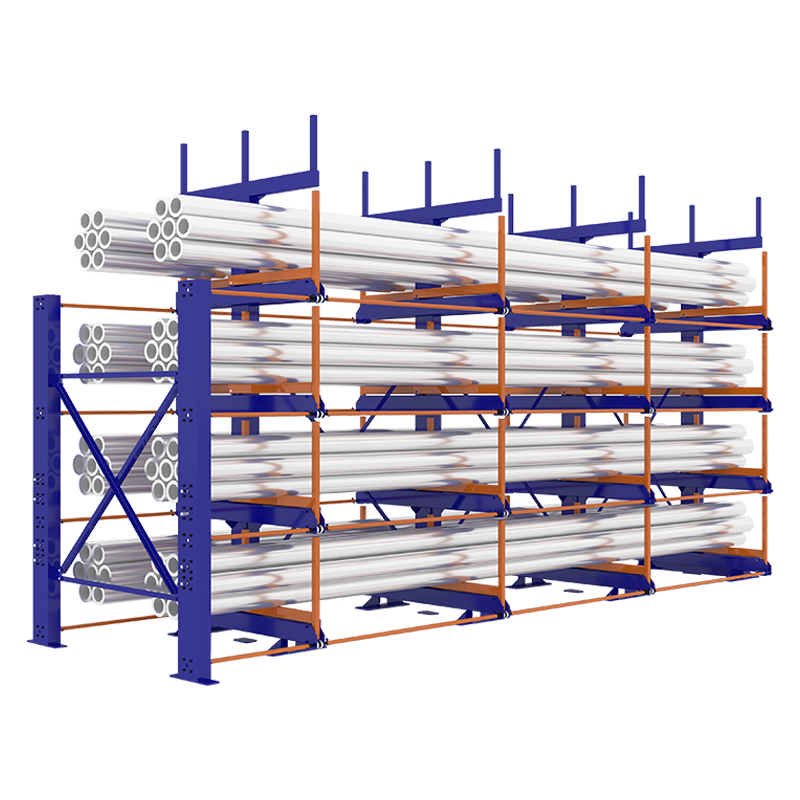
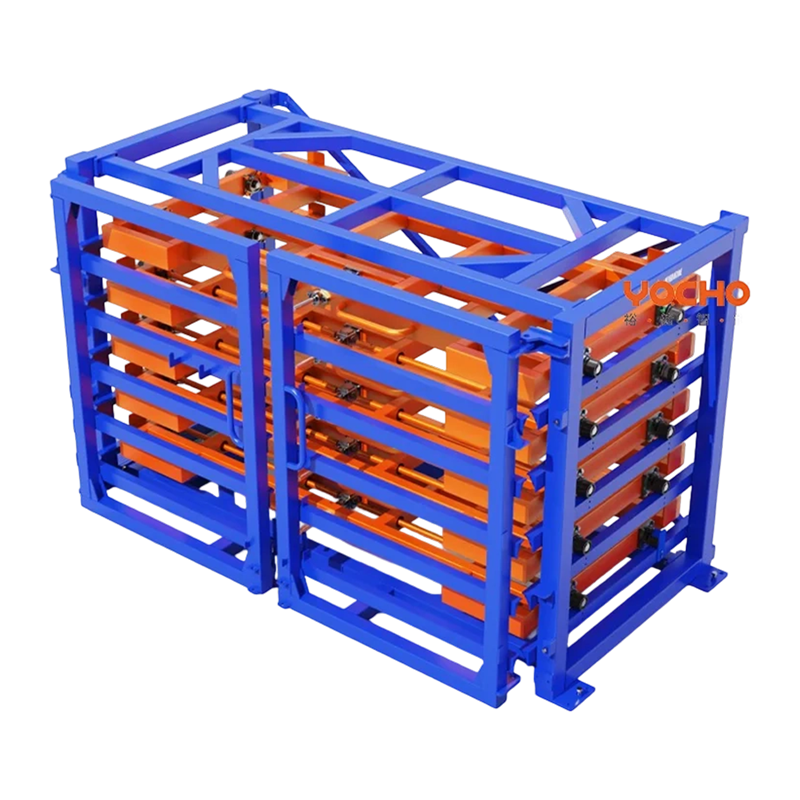
A long material storage rack is the definitive solution for organizing and securing elongated inventory such as steel pipes, lumber, PVC tubing, and aluminum extrusions. Unlike standard pallet racking, which relies on vertical beams and horizontal decks, long material racks—most commonly cantilever systems—feature open fronts and adjustable arms that allow for unobstructed access to items of varying lengths. This design eliminates the structural barriers that make loading and unloading long goods difficult and dangerous, significantly improving warehouse efficiency and safety.
The primary advantage of utilizing a specialized long material storage rack is the maximization of vertical space while maintaining easy accessibility. By storing materials vertically or horizontally on adjustable arms, facilities can reduce their footprint by up to 50% compared to floor-stacking methods. Furthermore, proper racking prevents material damage, such as bending or warping, which is common when long items are stacked unevenly on the ground. For industrial managers, investing in the right racking system translates directly to reduced waste, faster retrieval times, and a safer work environment.
Content
Cantilever Racking: The Industry Standard
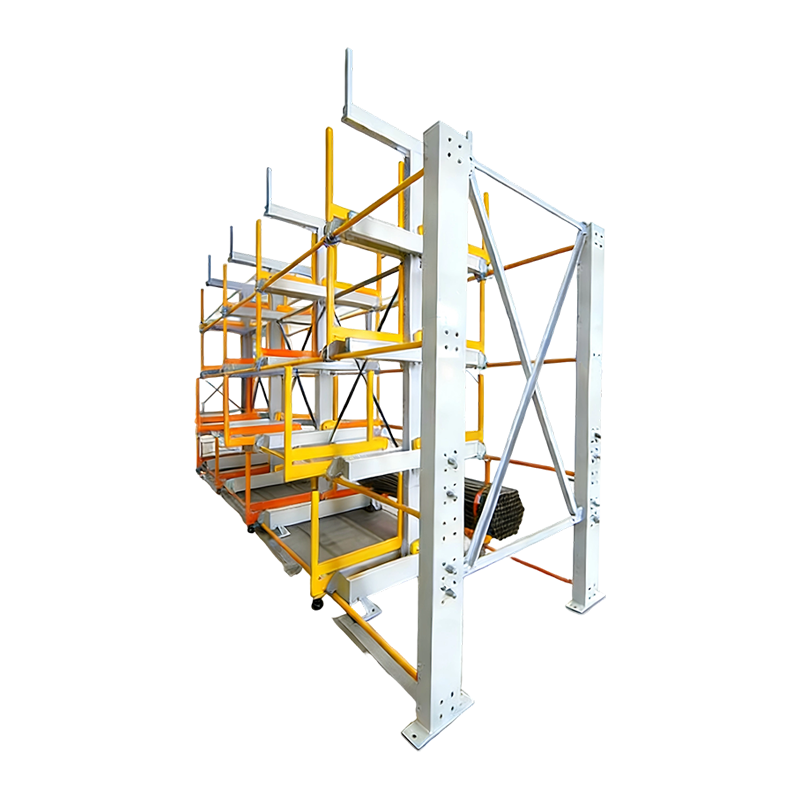
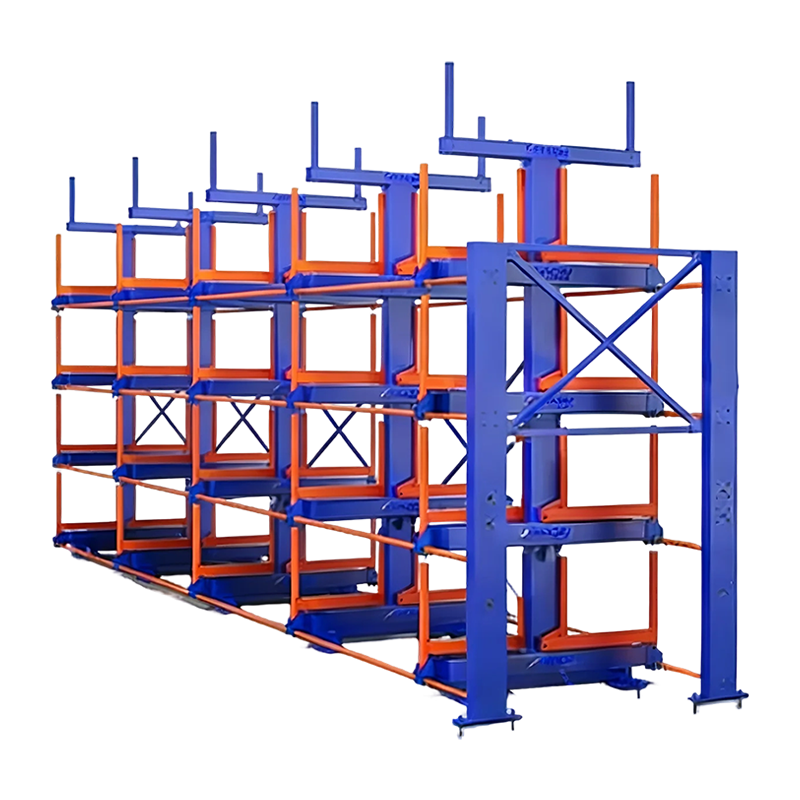
Cantilever racking is the most prevalent type of long material storage rack due to its versatility and robust load-bearing capabilities. The system consists of vertical columns, base stabilizers, and horizontal arms that extend outward. The absence of front-facing columns allows for the storage of items that exceed the length of standard pallets without obstruction.
Structural Components and Load Capacity
The core of a cantilever system is the vertical column, typically made from high-strength structural steel I-beams or tubular steel. Arms are attached to the column via bolted connections or clip-in mechanisms, allowing for easy height adjustment. The load capacity of these systems varies widely, with light-duty units supporting 500 to 1,000 lbs per arm and heavy-duty industrial models handling up to 10,000 lbs per arm.
Proper engineering is critical. The base stabilizer must be wide enough to counteract the moment force created by the loaded arms. For double-sided racks, the bases are connected to create a stable tower, allowing access from two aisles. This configuration is ideal for high-density storage areas where space optimization is a priority.
Arm Types and Configurations
Arms come in various styles to suit different material types. Straight arms are suitable for rigid materials like steel bars, while inclined arms (typically with a 20-degree upward slope) prevent round objects like pipes and tubes from rolling off. For softer materials such as copper tubing or finished wood, arms can be fitted with rubber or plastic caps to prevent surface scratching and damage.
Alternative Storage Solutions for Long Materials
While cantilever racks are the gold standard, they are not the only option. Depending on the specific material characteristics and budget constraints, other long material storage rack designs may be more appropriate.
| Rack Type | Best For | Accessibility | Cost Efficiency |
|---|---|---|---|
| Cantilever | Pipes, Lumber, Steel Beams | Excellent (Open Front) | High Initial Cost |
| Vertical Dividers | Sheet Metal, Plywood | Good (Individual Slots) | Moderate |
| Pipe Bunkers | Heavy Industrial Pipes | Limited (Stacked) | Low Cost |
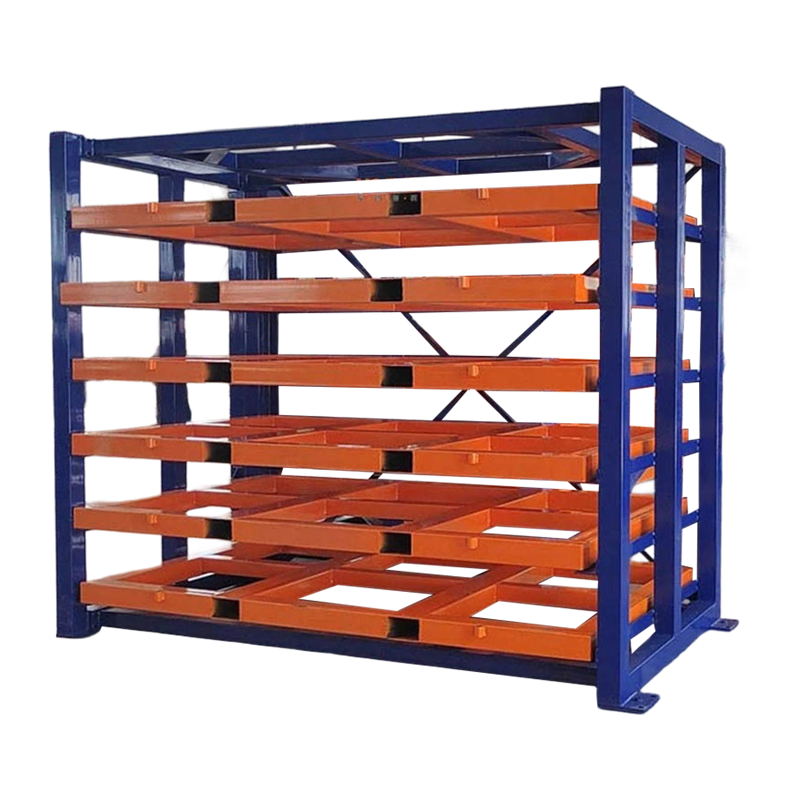
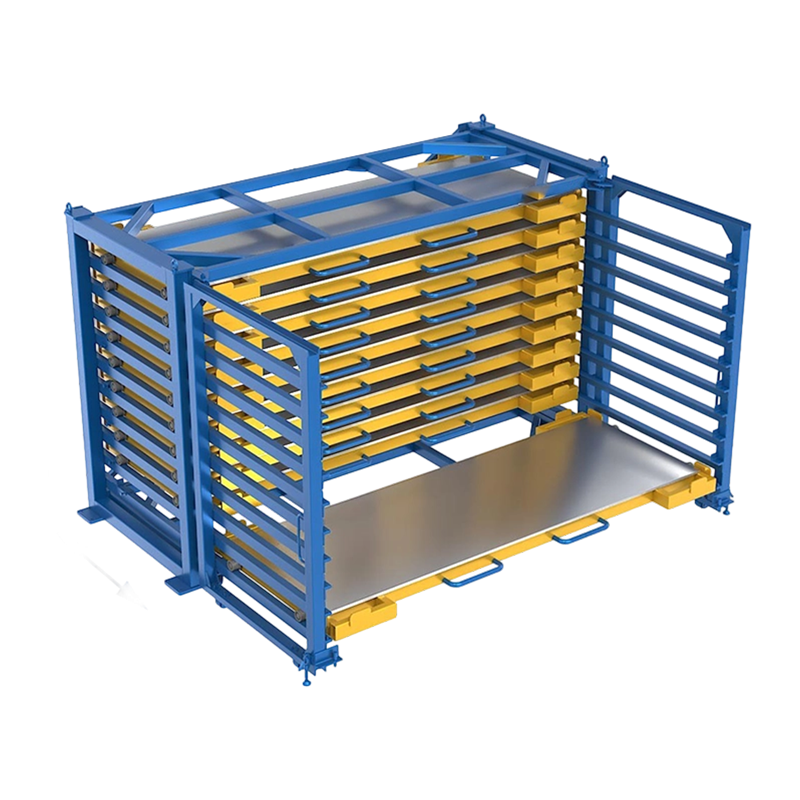
Vertical divider racks are ideal for flat, long materials like sheets of plywood or metal plates, keeping them organized and preventing warping. Pipe bunkers, often simple A-frame structures, are cost-effective for very heavy, bulk storage but offer lower accessibility than cantilever systems.
Safety Considerations and Load Management
Storing long, heavy materials introduces unique safety challenges. Improper loading can lead to rack collapse, material slippage, and serious workplace injuries. Adhering to strict safety protocols is non-negotiable for any facility using a long material storage rack.
Proper Loading Techniques
Weight distribution is critical. Heavier items should always be stored on the lower arms to maintain a low center of gravity. Loads must be evenly distributed across the width of the arms to prevent tipping. Never exceed the manufacturer’s rated capacity for individual arms or the entire column. It is recommended to leave a 10-15% safety margin below the maximum load rating to account for dynamic forces during loading and unloading.
Securing the Load
Round materials, such as pipes and tubes, are prone to rolling. Using inclined arms or installing end stops (pins) at the tips of the arms prevents items from sliding off. For added security, especially in seismic zones or high-traffic areas, use strapping or chaining to bundle materials together. Regular inspections should check for bent arms, loose bolts, or damaged columns, which can compromise structural integrity.
Optimizing Warehouse Layout and Efficiency
Integrating a long material storage rack into an existing warehouse requires careful planning of aisle widths and equipment compatibility. The type of forklift or crane used to load the rack dictates the necessary aisle space.
For standard counterbalance forklifts, aisle widths of 12 to 14 feet are typically required. However, using specialized side-loaders or narrow-aisle reach trucks can reduce this requirement to 6 to 8 feet, significantly increasing storage density. Additionally, organizing materials by frequency of use—placing high-turnover items at eye level and near dispatch areas—streamlines operations and reduces retrieval time. Implementing a clear labeling system on the uprights ensures that operators can quickly identify stock locations and load capacities, further enhancing operational efficiency.

If you are interested in our products, please consult us
PRODUCTS
NEWS CENTER
MOBILE TERMINAL

CONTACT US
- ADDRESS: Room 205, Office Building, Shandong Yurui Machinery Group Co., Ltd., at the intersection of Banqiao Road and Huangjin Road, Pingyi Street, Pingyi County, Linyi City, Shandong Province.
- PHONE: +86-19819101584
- EMAIL: [email protected]
Linyi Yocho Storage Intelligent Manufacturing Co.,Ltd. ALL RIGHTS RESERVED. ALL RESERVED. Warehouse Rack Manufacturers Warehouse Shelves Factory
