

 русский
 Español
 عربى
عربى
How to Organize a Warehouse Efficiently: A Step-by-Step Guide
 2026.07.13
 Industry News
Content
- 1 Start With a Floor Plan Built Around Flow
- 2 Match Your Storage System to What You're Actually Storing
- 3 Maximize Vertical Space Before You Add Floor Space
- 4 Build a Slotting Logic Based on Pick Frequency
- 5 Label Everything and Keep Aisles Compliant
- 6 Maintain It: Regular Audits Keep Organization From Decaying
Start With a Floor Plan Built Around Flow
Materials enter a warehouse at receiving and leave at shipping, and everything that happens in between should follow that same straight line. A floor plan built around this flow — receiving, storage, picking, packing, shipping — cuts down on the crossed paths and backtracking that eat up hours every week.
Before touching a single shelf, walk the space and note the fixed constraints: ceiling height, support beams, dock door locations, fire exits. These determine where storage can actually go, not just where it would be convenient. Group items that get ordered together or that share a size and weight profile, and place the fastest-moving categories closest to the packing and shipping area. The goal isn't a perfect diagram — it's a layout where a new hire could learn the flow of the building in an afternoon.
Match Your Storage System to What You're Actually Storing
Generic shelving works fine for small parts and cartons, but it falls apart the moment a warehouse handles anything oversized, heavy, or oddly shaped. The storage system needs to match the material, not the other way around.
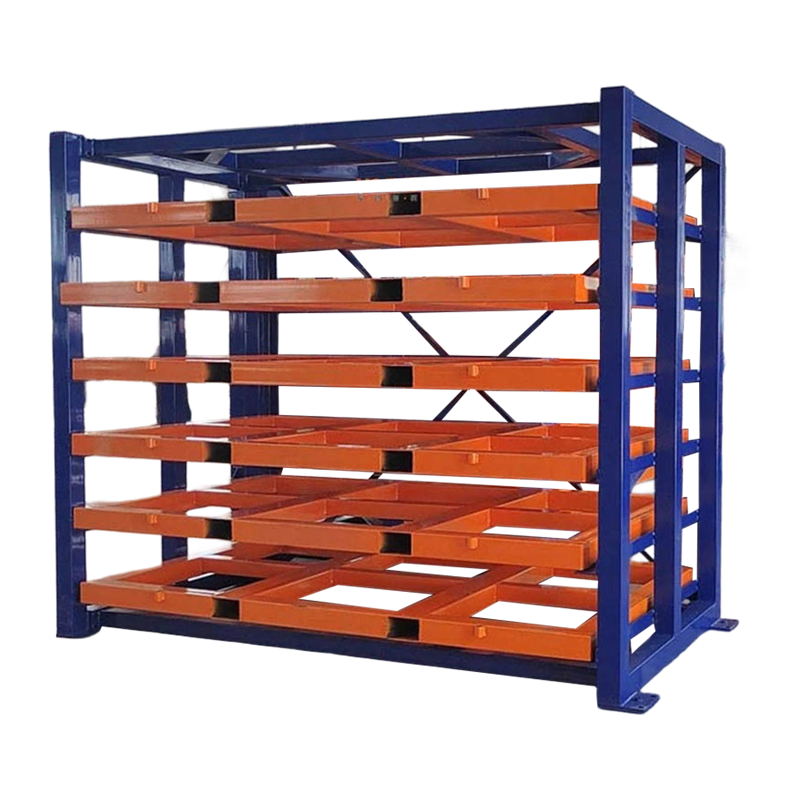
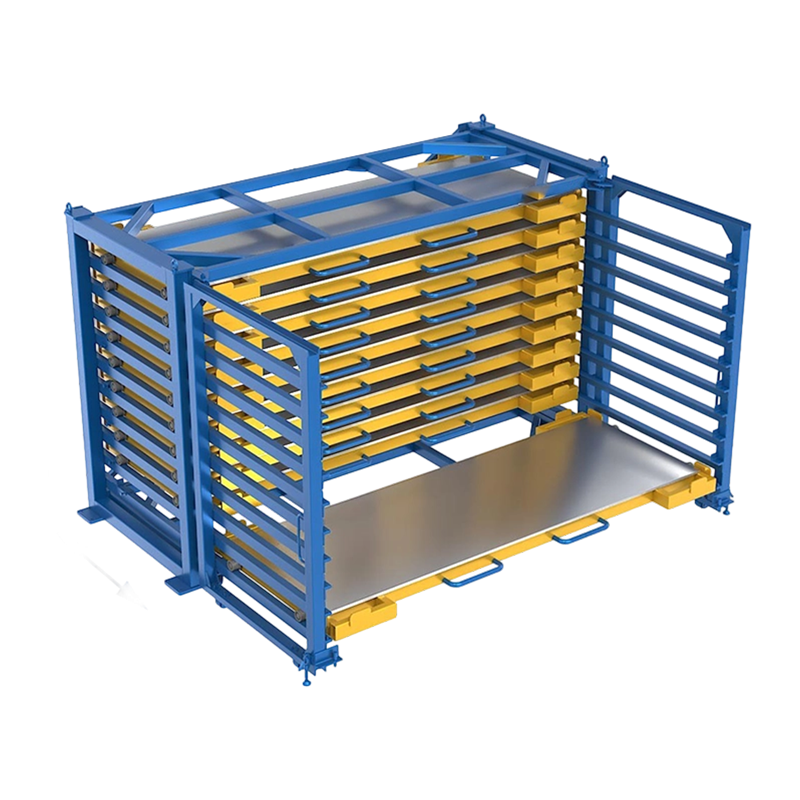
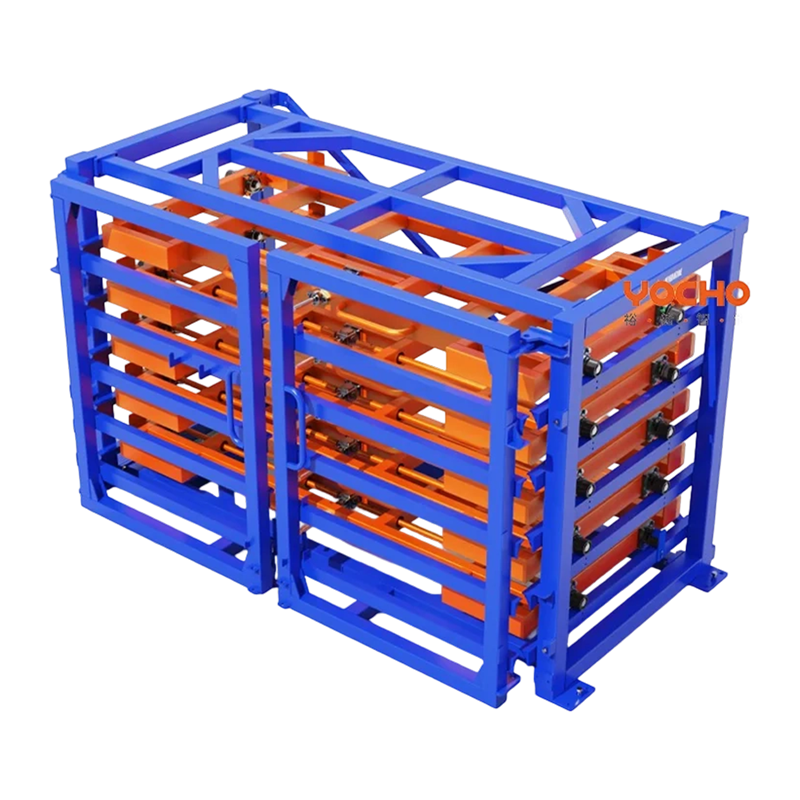
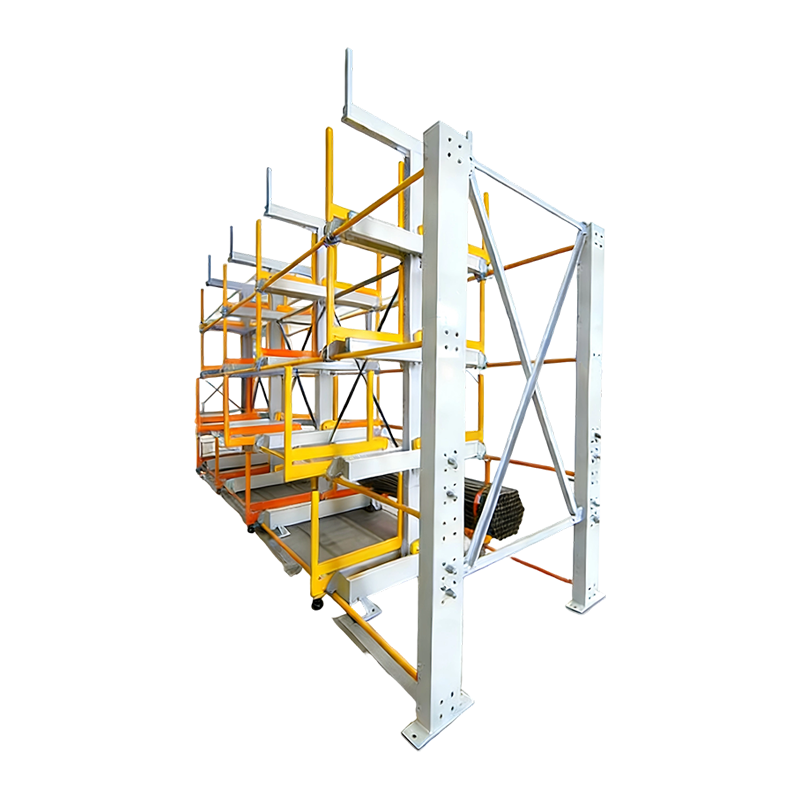
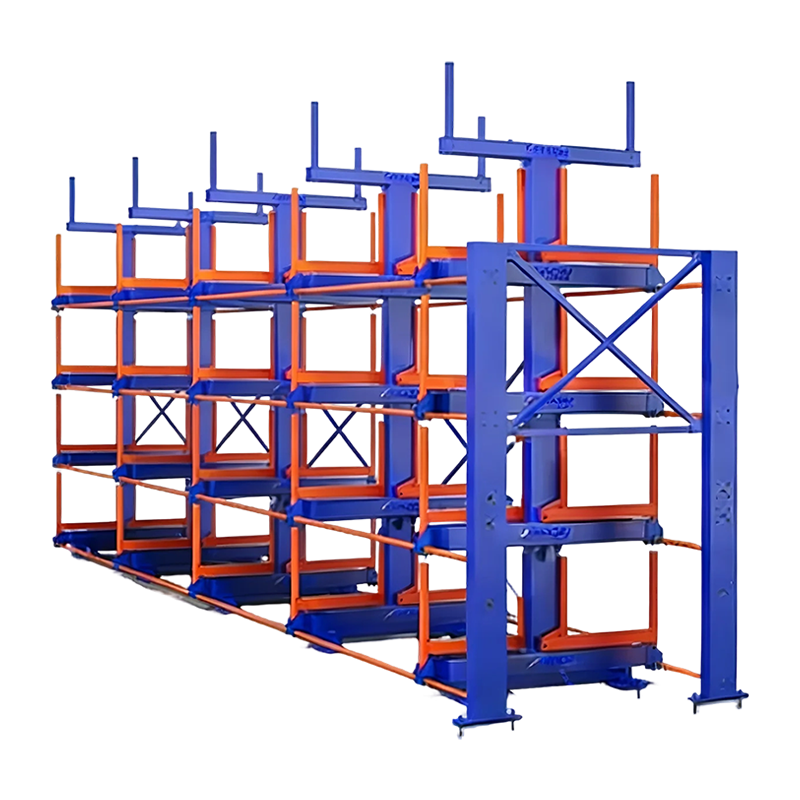
Flat, rigid stock like steel or aluminum sheets does best in dedicated sheet metal storage racks, which hold panels upright or in pull-out drawers instead of stacking them flat on the floor where the bottom sheets get scratched and the whole pile becomes impossible to sort. Long, bulky items — pipe, bar stock, tube, lumber — need horizontal support along their length rather than a standard shelf edge; cantilever-style racks with electric telescopic arms extend out to the material and retract when not in use, which keeps aisles narrower than a fixed-arm design would require. For operations running high SKU counts and repetitive picks, a fully automated storage system handles retrieval mechanically, cutting both travel time and the picking errors that come with manual searches.
Picking the wrong category here isn't just inefficient — it actively damages inventory. Sheets stacked flat and unsupported will bow under their own weight over time; pipe stored loose on the ground rolls, dents, and becomes a tripping hazard the moment someone needs to step over it.
Maximize Vertical Space Before You Add Floor Space
Warehouse rent keeps climbing, which makes the empty air above head height one of the cheapest storage assets a facility already owns. Taller shelving, stacked racks, and vertical lift modules all convert unused ceiling space into usable storage without expanding the building's footprint.
Telescopic and roll-out cantilever designs make this easier for long materials specifically, since the arms extend only when a load needs loading or retrieval and retract the rest of the time — a fixed-arm rack of the same capacity would need permanent aisle clearance on both sides. Facilities that switch from floor-stacked storage to vertical racking commonly free up a meaningful share of usable floor area without adding a single square foot of building. For a closer look at matching rack style to specific sheet sizes and weight classes, this deeper guide to choosing the right sheet metal rack breaks down the tradeoffs by use case.
Build a Slotting Logic Based on Pick Frequency
Not every item deserves the same shelf. ABC analysis sorts inventory into fast movers (A), moderate movers (B), and slow movers (C) based on how often each SKU gets picked, then places the A items closest to the packing area where reach time is shortest.
This only works if it's backed by actual data rather than guesswork — pull picking frequency reports rather than assuming which items move fastest, since the two don't always match. Heavier and bulkier items generally belong on lower levels regardless of pick frequency, both for safety and because lifting a 50-pound item from a top shelf slows down every retrieval. Revisit the slotting plan on a seasonal basis; demand patterns shift, and a layout optimized for last quarter's top sellers can quietly become inefficient without anyone noticing.
Label Everything and Keep Aisles Compliant
A warehouse can have a perfect layout and still lose hours a week if workers can't find what a label should tell them at a glance. Every rack, shelf, bin, and aisle needs a consistent labeling system — barcodes, location codes, or both — so new and temporary staff can navigate without asking for help every ten minutes.
Labeling also intersects directly with safety compliance. OSHA's general materials handling standard requires that aisles and passageways used by mechanical equipment stay clear and appropriately marked, and that stored materials be stacked, blocked, or interlocked so they can't slide or collapse. These aren't just good practice — they're the specific language of 29 CFR 1910.176, OSHA's standard for handling materials, and it's one of the most frequently cited standards in warehousing inspections. Clear aisle markings and secure, properly rated racking satisfy both the productivity goal and the compliance requirement at the same time.
Maintain It: Regular Audits Keep Organization From Decaying
An organized warehouse doesn't stay that way on its own. Inventory volume shifts, new SKUs get added, and small workarounds accumulate until the layout that worked six months ago no longer matches how the space actually gets used.
Schedule periodic walkthroughs to check for drifted slotting, blocked aisles, or racks showing signs of damage or overload — small issues caught early are far cheaper to fix than the bottlenecks or safety incidents they eventually cause. Floor staff notice problems long before a manager's periodic review would, since they're the ones navigating the space every shift; building a simple channel for their feedback surfaces friction points that don't show up in any report. Treat the organization system as something to maintain on a schedule, not a project that gets finished once and left alone.


If you are interested in our products, please consult us
PRODUCTS
NEWS CENTER
MOBILE TERMINAL

CONTACT US
- ADDRESS: Room 205, Office Building, Shandong Yurui Machinery Group Co., Ltd., at the intersection of Banqiao Road and Huangjin Road, Pingyi Street, Pingyi County, Linyi City, Shandong Province.
- PHONE: +86-19819101584
- EMAIL: [email protected]
Linyi Yocho Storage Intelligent Manufacturing Co.,Ltd. ALL RIGHTS RESERVED. ALL RESERVED. Warehouse Rack Manufacturers Warehouse Shelves Factory
