

 русский
 Español
 عربى
عربى
Are Long Material Storage Racks Driving Efficiency in Warehousing?
 2026.01.04
 Industry News
Content
- 1 Introduction to Long Material Storage Racks
- 2 Key Advantages of Long Material Storage Racks
- 3 Types of Long Material Storage Racks
- 4 Applications Across Industries
- 5 Design and Load Capacity Considerations
- 6 Comparing Long Material Storage Racks with Floor Stacking
- 7 Future Outlook for Warehousing Efficiency
Introduction to Long Material Storage Racks
Long material storage racks are specialized storage solutions designed to hold long and bulky items such as pipes, metal profiles, timber, and tubes. They are essential in modern warehouses, factories, and distribution centers where maximizing storage space while ensuring safety and accessibility is critical. Unlike traditional shelving, long material storage racks provide horizontal storage options that prevent bending, damage, and inefficient stacking.
As businesses face increasing warehouse demands and tighter floor space, these racks have become a key component in efficient material handling. Their modular and adjustable designs allow operators to optimize storage layouts according to specific materials and workflow requirements.
Key Advantages of Long Material Storage Racks
Long material storage racks provide practical advantages that directly impact warehouse productivity, safety, and cost-efficiency.
Maximized Space Utilization
By enabling horizontal storage of long items, these racks utilize vertical space efficiently while keeping materials organized. Unlike stacking on the floor, which wastes space and makes items difficult to access, racks allow for neat storage, clear labeling, and quick retrieval.
Improved Material Handling Efficiency
Long material racks simplify loading and unloading processes. Forklifts and manual handling tools can access stored items without the need to move other materials, reducing time spent on retrieval and minimizing workflow bottlenecks. Operators can quickly locate and handle items, increasing overall warehouse throughput.
Enhanced Safety and Damage Prevention
Improperly stored long items can easily bend, warp, or cause accidents. Long material storage racks distribute weight evenly, reducing the risk of material damage. Additionally, these racks prevent cluttered floor storage, minimizing tripping hazards and ensuring compliance with workplace safety regulations.
Types of Long Material Storage Racks
Different warehouse needs require specific types of long material racks, each offering unique benefits depending on the type, weight, and length of the materials stored.
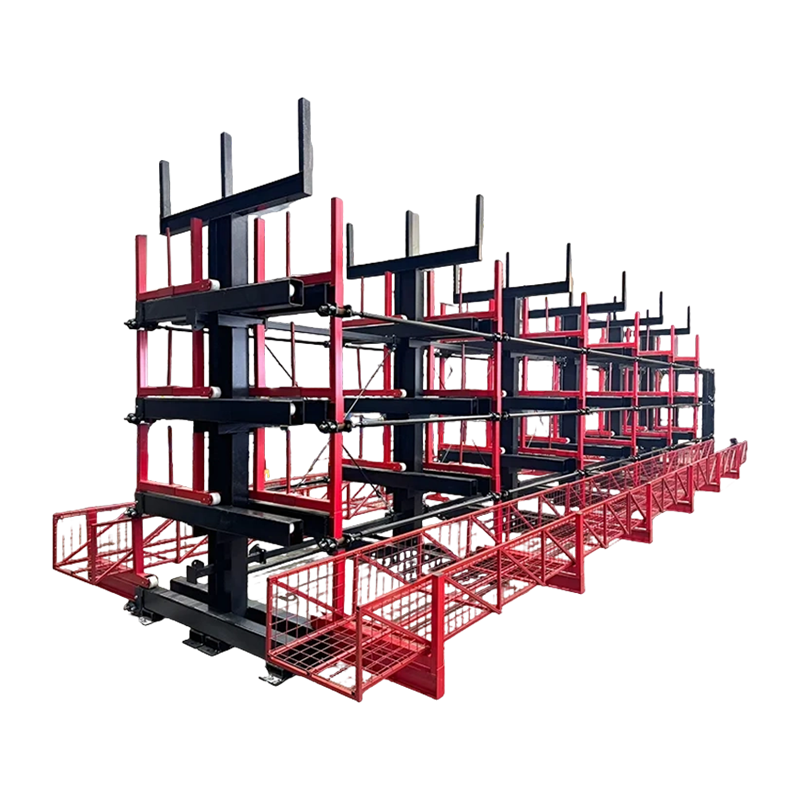
Cantilever Racks
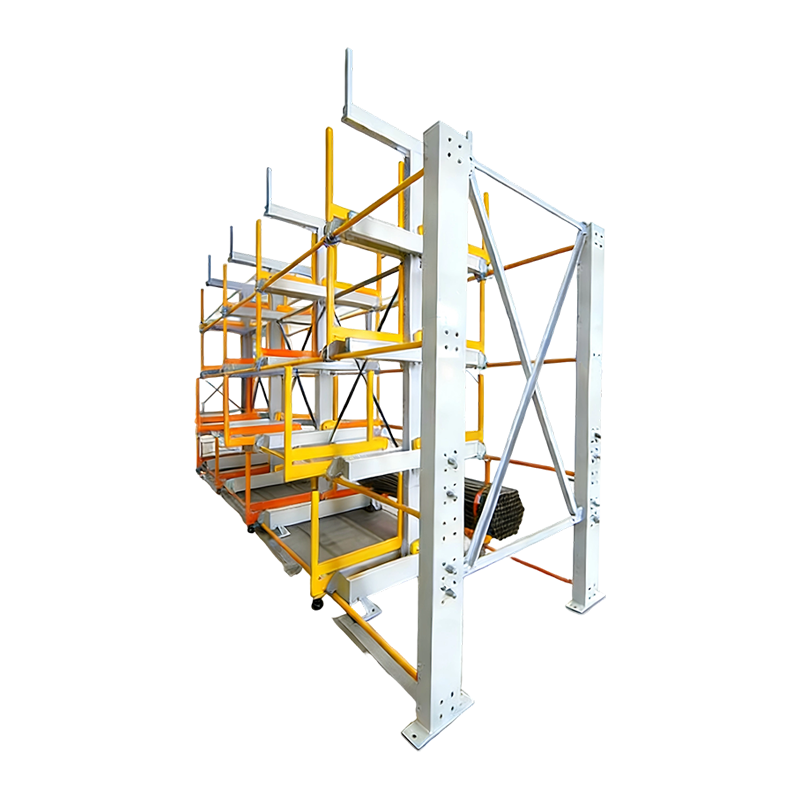
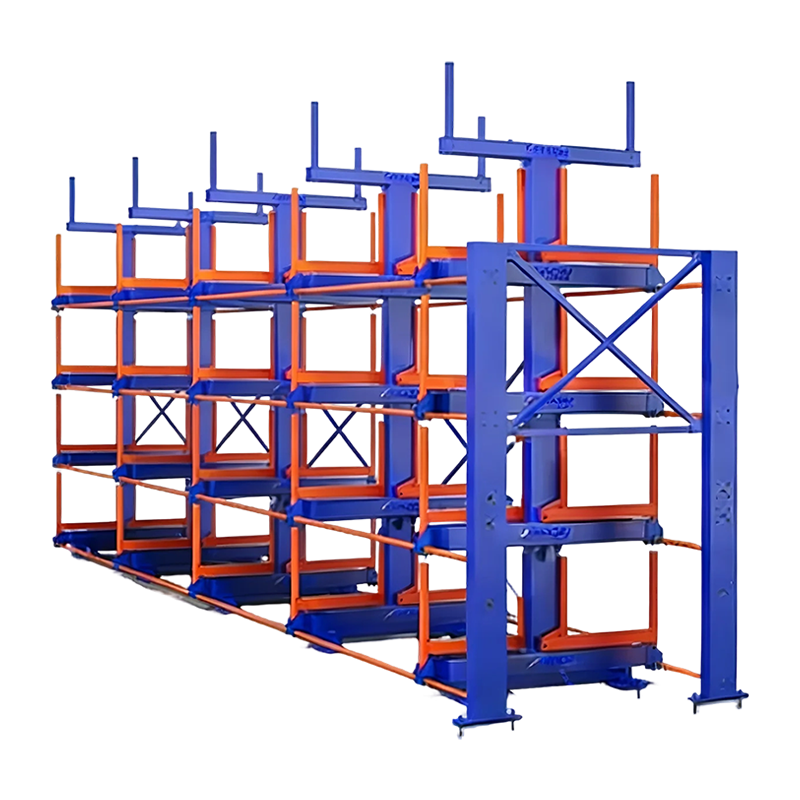
Cantilever racks feature horizontal arms extending from a central support column. These racks are ideal for storing long items like pipes, timber, or steel profiles, allowing easy access from the front. Adjustable arm heights accommodate varying material lengths, offering flexibility for warehouses with diverse inventory.
Pallet-Supported Racks
Pallet-supported long material racks integrate pallet storage with horizontal support for long items. This combination allows warehouses to store both standard palletized goods and long items efficiently, making them versatile for mixed-material environments.
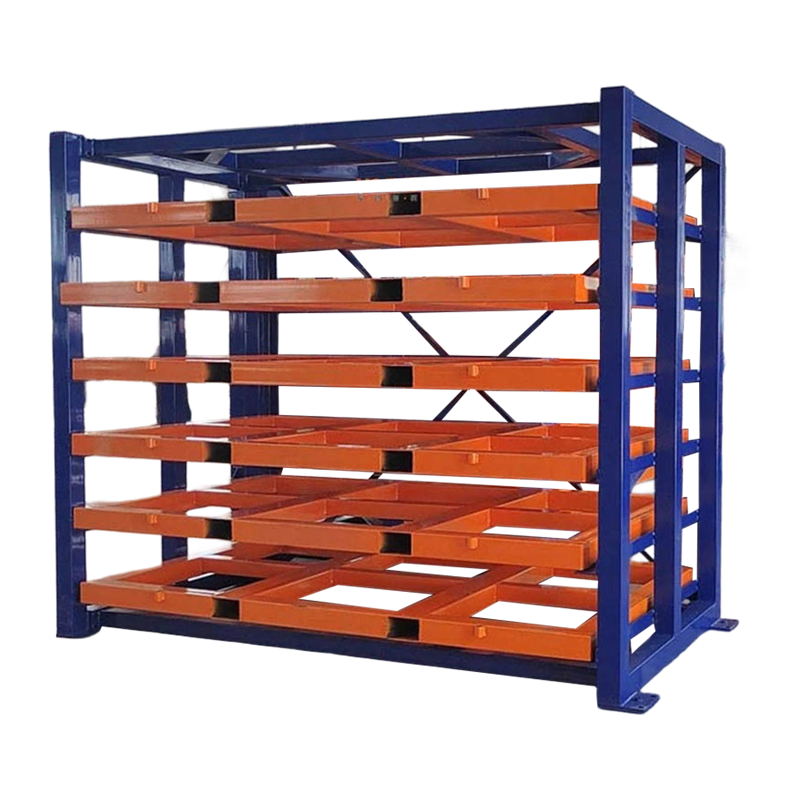
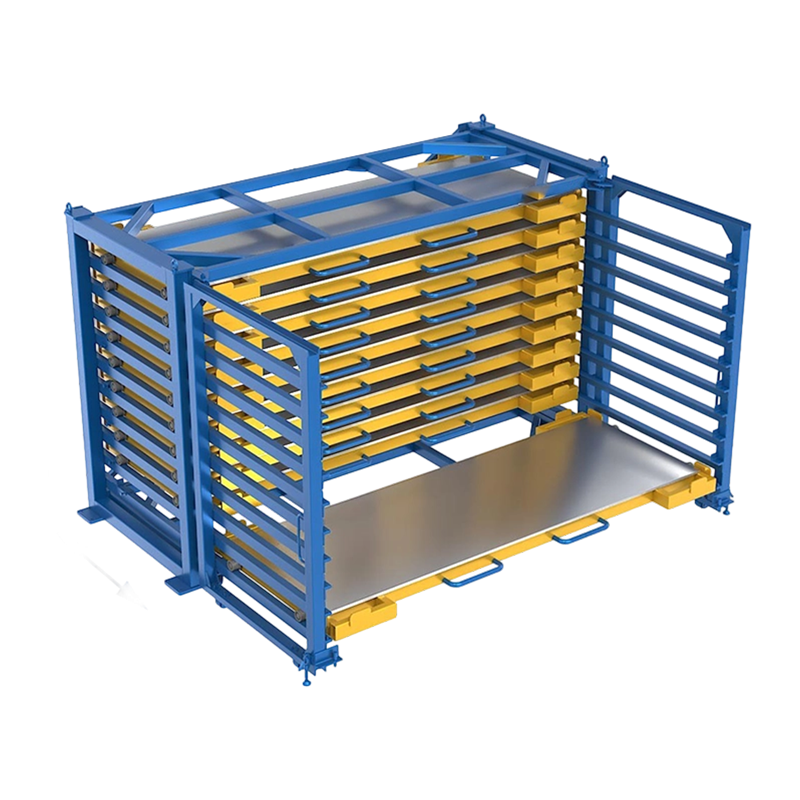
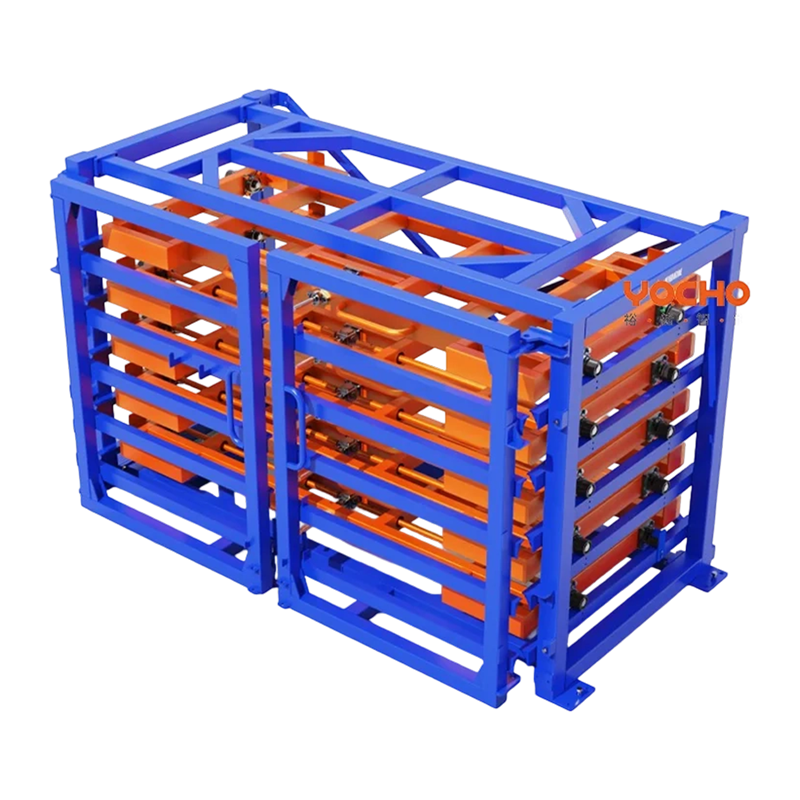
Mobile and Adjustable Systems
Some modern racks offer mobile bases or adjustable configurations to maximize space and adapt to changing inventory needs. These systems can be reconfigured quickly to accommodate different materials or warehouse layouts, offering long-term flexibility.
Applications Across Industries
Long material storage racks are used in diverse industries where long or bulky items are common. These applications illustrate how efficiency and organization improve operational outcomes.
Metal and Steel Fabrication
Steel beams, rods, and profiles are commonly stored on cantilever racks to prevent bending and damage. Efficient storage ensures materials are easily accessible for cutting, welding, and assembly processes.
Woodworking and Lumber Storage
Timber, plywood sheets, and other long wooden items are stored horizontally to maintain straightness and quality. Adjustable racks accommodate different lengths and thicknesses, supporting diverse woodworking projects.
Construction Materials Warehousing
Pipes, conduit, and other construction materials are frequently stored on long material racks to optimize warehouse layout. These racks improve inventory management, reduce handling time, and minimize material damage during storage and retrieval.
Design and Load Capacity Considerations
Choosing the right rack involves careful consideration of weight, length, and intended use. Racks are rated by load capacity per arm and total rack weight, ensuring safety and reliability in heavy-duty operations.
- Determine maximum material length and weight per level.
- Select racks with adjustable or modular arms for flexibility.
- Ensure proper anchoring and stability to prevent tipping or collapse.
- Consider powder-coated or treated finishes for durability in industrial environments.
Comparing Long Material Storage Racks with Floor Stacking
Using long material storage racks provides distinct advantages over traditional floor stacking, particularly in terms of space, safety, and operational efficiency.
| Feature | Long Material Storage Rack | Floor Stacking |
| Space Utilization | Maximized vertical and horizontal | Limited and cluttered |
| Material Access | Easy and safe retrieval | Time-consuming and hazardous |
| Safety | High, reduced tipping risk | Low, prone to accidents |
| Material Protection | Prevents bending and damage | Higher risk of damage |
Future Outlook for Warehousing Efficiency
As industrial operations grow and warehouse space becomes more valuable, long material storage racks will continue to be critical for efficient storage solutions. Advancements in modular design, load capacity, and integration with warehouse management systems will further enhance their effectiveness.
Investing in high-quality long material storage racks not only improves operational efficiency but also ensures safety, reduces material damage, and supports sustainable warehouse practices. Their role in modern material handling is poised to expand across industries including manufacturing, construction, and logistics.

If you are interested in our products, please consult us
PRODUCTS
NEWS CENTER
MOBILE TERMINAL

CONTACT US
- ADDRESS: Room 205, Office Building, Shandong Yurui Machinery Group Co., Ltd., at the intersection of Banqiao Road and Huangjin Road, Pingyi Street, Pingyi County, Linyi City, Shandong Province.
- PHONE: +86-19819101584
- EMAIL: [email protected]
Linyi Yocho Storage Intelligent Manufacturing Co.,Ltd. ALL RIGHTS RESERVED. ALL RESERVED. Warehouse Rack Manufacturers Warehouse Shelves Factory
