

 русский
 Español
 عربى
عربى
Can a drawer roll-out sheet metal rack prevent items from falling or tilting?
 2025.12.04
 Industry News
Content
- 1 Introduction to Drawer Roll-Out Sheet Metal Racks
- 2 Structural Design and Stability Features
- 3 Weight Distribution and Load Management
- 4 Slide Mechanisms and Smooth Operation
- 5 Drawer Dividers and Compartmentalization
- 6 Anti-Tip and Safety Mechanisms
- 7 Applications in Industrial and Commercial Settings
- 8 Maintenance and Best Practices
- 9 Comparison with Other Storage Solutions
- 10 Conclusion
Introduction to Drawer Roll-Out Sheet Metal Racks
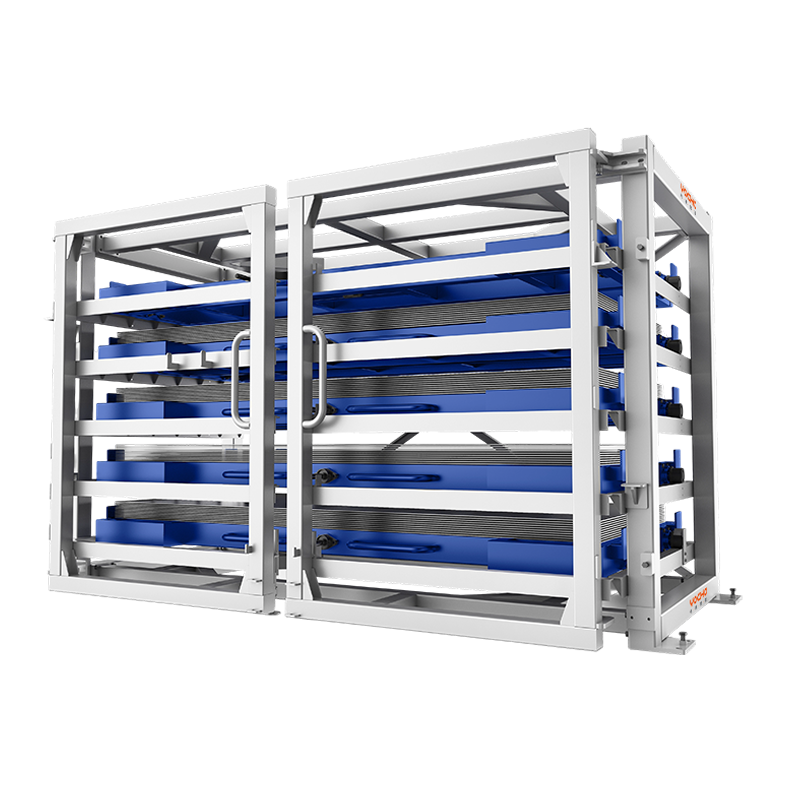
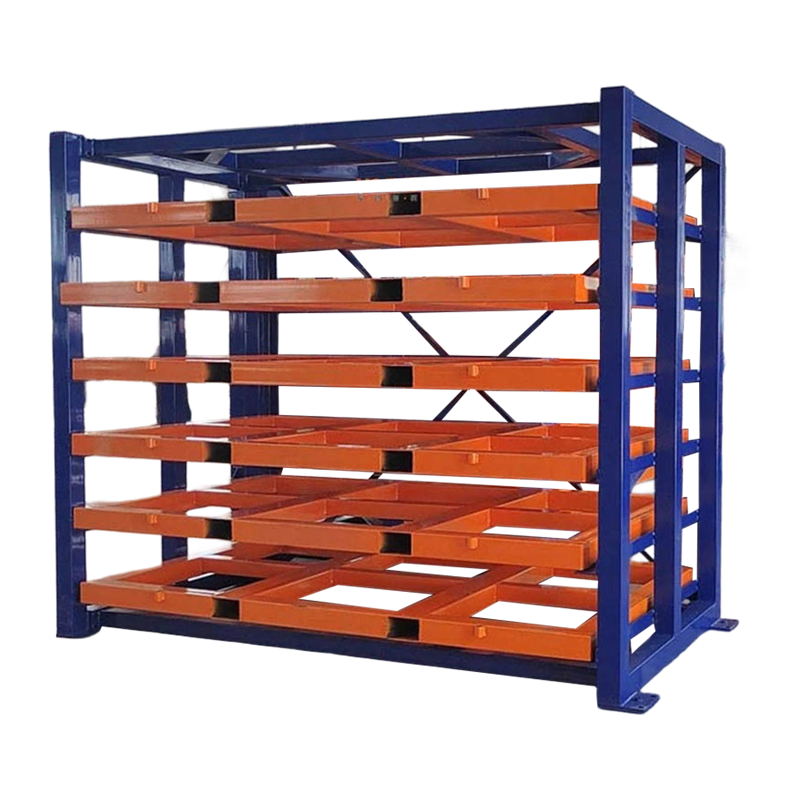
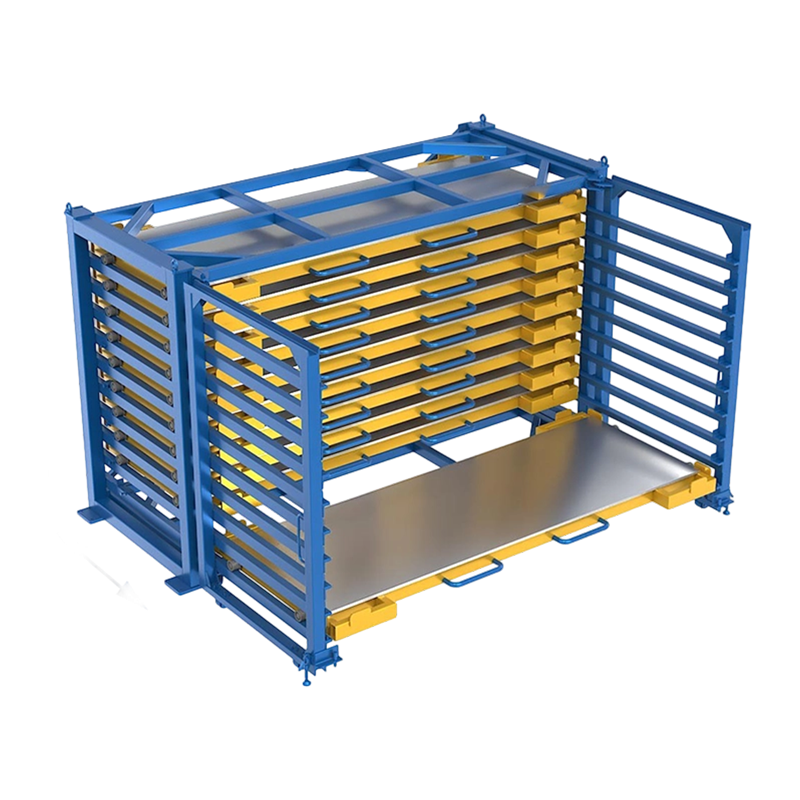
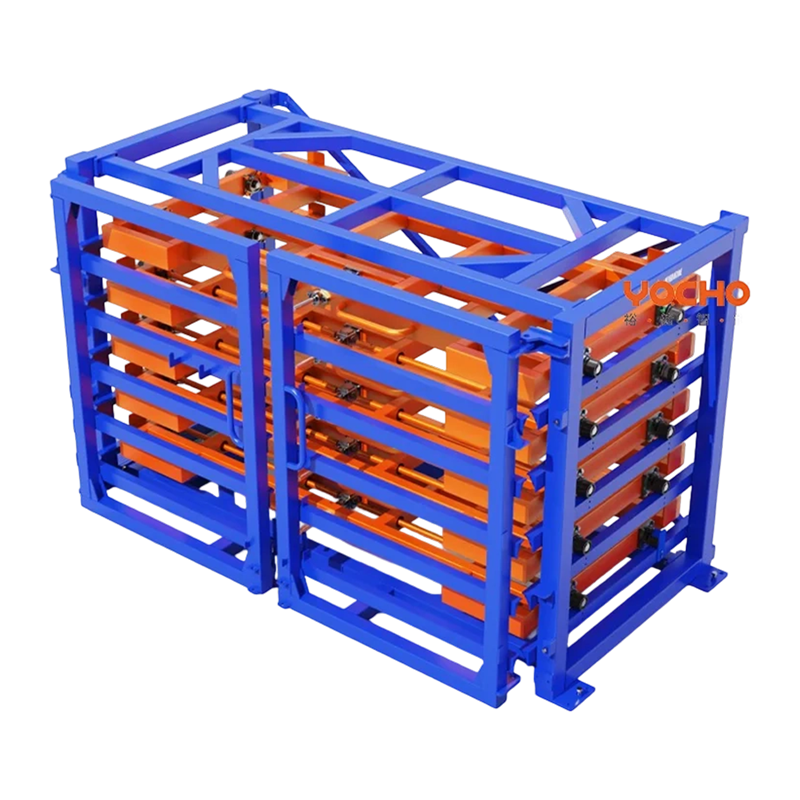
Drawer roll-out sheet metal racks are specialized storage solutions designed to improve accessibility, organization, and safety in industrial, commercial, and residential settings. These racks feature metal drawers that slide out smoothly, allowing users to reach stored items without needing to remove entire shelves or stack items precariously. One key consideration in their design is preventing items from falling or tilting, which can compromise safety and workflow efficiency. This article examines how these racks address these challenges and the features that enhance stability.
Structural Design and Stability Features
The core reason drawer roll-out sheet metal racks prevent falling or tilting is their thoughtful structural design. Several factors contribute to their stability:
- High-Quality Sheet Metal Construction: Durable steel or aluminum construction ensures the drawers maintain rigidity even when fully loaded.
- Reinforced Drawer Sides: Raised edges or flanges along drawer sides prevent items from slipping sideways when opening or closing.
- Full-Extension Slides: Heavy-duty ball-bearing or roller slides allow drawers to extend fully without tipping or collapsing, distributing weight evenly across the rack.
- Non-Skid Surfaces: Powder-coated or textured surfaces inside drawers help keep items in place during movement.
Weight Distribution and Load Management
Proper weight distribution is critical in preventing tilting or accidental falling of items. Drawer roll-out racks are engineered to accommodate weight strategically:
- Even Load Capacity: Each drawer has a rated weight limit, and racks are designed to support maximum load without sagging or wobbling.
- Center of Gravity Considerations: Full-extension drawers maintain a low center of gravity to reduce tipping risk.
- Partitioning Options: Adjustable dividers within drawers allow users to organize items efficiently and prevent shifting.
- Stacking Guidelines: Proper placement of heavier items at the back or bottom ensures stability when pulling out drawers.
Slide Mechanisms and Smooth Operation
The drawer slides are essential for preventing tilting. Smooth operation minimizes sudden jerks that could cause items to fall. Key features include:
- Ball-Bearing Slides: Provide smooth movement even under heavy loads, reducing the risk of tipping.
- Soft-Close Mechanisms: Prevent drawers from slamming, keeping items stable during closing.
- Full-Extension Travel: Ensures that drawers can be accessed completely without needing to lean over or remove items from the shelf above.
- Slide Lock Features: Some models include locking slides that prevent accidental pull-out beyond the safe limit.
Drawer Dividers and Compartmentalization
Internal organization plays a crucial role in preventing items from falling or tilting. Dividers and compartments ensure that objects stay securely in place:
- Adjustable Partitions: Allow customization according to the size and shape of stored items.
- Removable Inserts: Can be repositioned to optimize storage and prevent movement of small or irregularly shaped items.
- Specialty Holders: Hooks, slots, or trays inside drawers help secure tools, electronic components, or fragile items.
- Separation of Heavy and Light Items: Prevents heavier items from crushing or displacing lighter items during drawer movement.
Anti-Tip and Safety Mechanisms
Modern drawer roll-out racks often include safety features specifically designed to prevent tipping and falling:
- Anti-Tip Brackets: Secure the entire rack to the wall or floor to prevent accidental tipping when multiple drawers are extended.
- Load Limit Indicators: Warn users if a drawer is overloaded, reducing the risk of structural failure.
- Slide Interlocks: Prevent more than one drawer from being opened at the same time, maintaining balance and stability.
- Non-Slip Feet: Keep the base stable on smooth or inclined surfaces, minimizing movement under load.
Applications in Industrial and Commercial Settings
Drawer roll-out sheet metal racks are widely used in environments where safety and organization are critical. Common applications include:
- Tool storage in manufacturing plants, keeping heavy tools stable and accessible.
- Electronic component storage in laboratories or assembly lines, preventing delicate items from tipping or colliding.
- Warehouse storage for small parts or inventory, improving order picking efficiency while maintaining safety.
- Home garages or workshops, where heavy power tools or hardware need secure storage and easy access.
Maintenance and Best Practices
Proper maintenance ensures that the drawer roll-out rack continues to prevent items from falling or tilting over time:
- Regular Slide Lubrication: Reduces friction and wear on drawer slides, maintaining smooth operation.
- Inspecting for Deformation: Check metal drawers for bends or dents that could compromise stability.
- Load Distribution Checks: Ensure weight is evenly spread across drawers and shelves according to manufacturer specifications.
- Cleaning and Dusting: Keeps drawer tracks free of debris, preventing jams or sudden jerks.
Comparison with Other Storage Solutions
Compared to static shelving or open bins, drawer roll-out sheet metal racks provide superior stability and safety for stored items:
| Feature | Open Shelving | Drawer Roll-Out Rack |
| Item Stability | Prone to tipping or sliding | High, due to drawers and dividers |
| Accessibility | Requires reaching over shelves | Full-access drawers without disturbing other items |
| Weight Handling | Limited by shelf strength | Designed for heavy loads with balanced slides |
| Safety | Low, risk of falling items | High, anti-tip and compartment features included |
| Organization | Flexible but cluttered | Structured with partitions and dividers |
Conclusion
Drawer roll-out sheet metal racks are designed with multiple safety and stability features to prevent items from falling or tilting. Through robust construction, reinforced drawers, smooth slide mechanisms, compartmentalization, and anti-tip systems, these racks enhance storage safety and efficiency across industrial, commercial, and residential applications. Proper load management, maintenance, and adherence to usage guidelines ensure long-term reliability, making them an essential solution for organized and secure storage.

If you are interested in our products, please consult us
PRODUCTS
NEWS CENTER
MOBILE TERMINAL

CONTACT US
- ADDRESS: Room 205, Office Building, Shandong Yurui Machinery Group Co., Ltd., at the intersection of Banqiao Road and Huangjin Road, Pingyi Street, Pingyi County, Linyi City, Shandong Province.
- PHONE: +86-19819101584
- EMAIL: [email protected]
Linyi Yocho Storage Intelligent Manufacturing Co.,Ltd. ALL RIGHTS RESERVED. ALL RESERVED. Warehouse Rack Manufacturers Warehouse Shelves Factory
