

 русский
 Español
 عربى
عربى
How to choose Long Material Storage Rack to save the most space?
 2025.09.09
 Industry News
Efficient warehouse management is not only about storing products but also about maximizing the use of available space. For businesses that handle pipes, bars, lumber, profiles, or any other elongated goods, finding the right Long Material Storage Rack is essential. The wrong storage system can lead to clutter, wasted floor space, and safety hazards. On the other hand, the right rack can significantly increase storage capacity, improve organization, and streamline material handling.
1. Understand the Nature of Your Materials
The first step is to evaluate the type of materials you are storing. Long materials can vary greatly in size, weight, and shape:
Heavy steel pipes and bars require strong racks with high load-bearing capacity.
Wood, plastic, or aluminum profiles may be lighter, but they often need protection from bending or warping.
Mixed materials of different lengths may call for adjustable or customizable rack designs.
By understanding your material characteristics, you can avoid buying a rack that is either overbuilt (too costly for lightweight goods) or underbuilt (unsafe for heavy loads).
2. Choose the Right Rack Design
There are several types of racks for long materials, and each has its advantages:
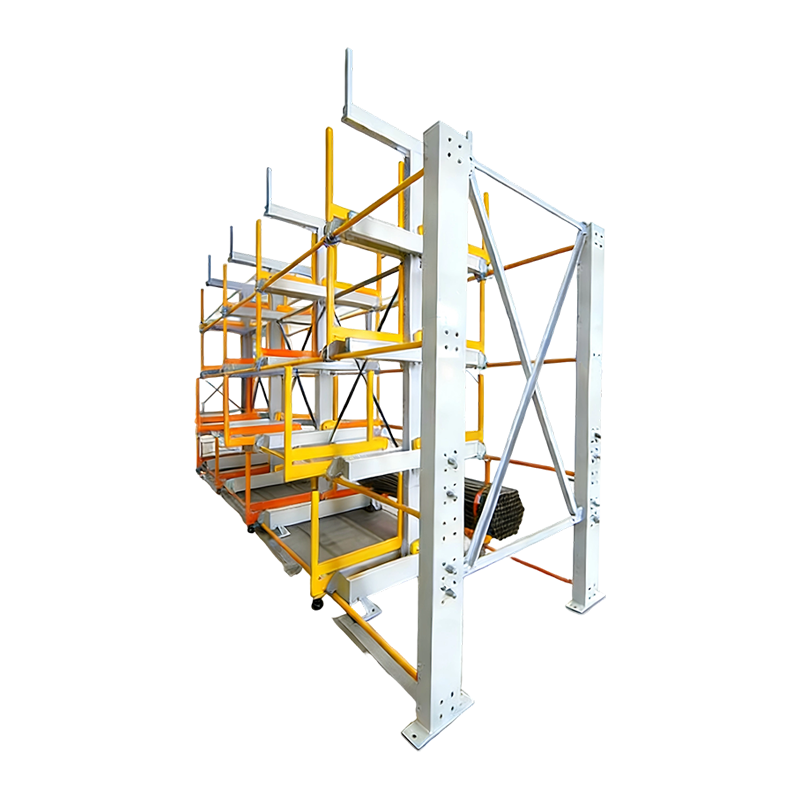
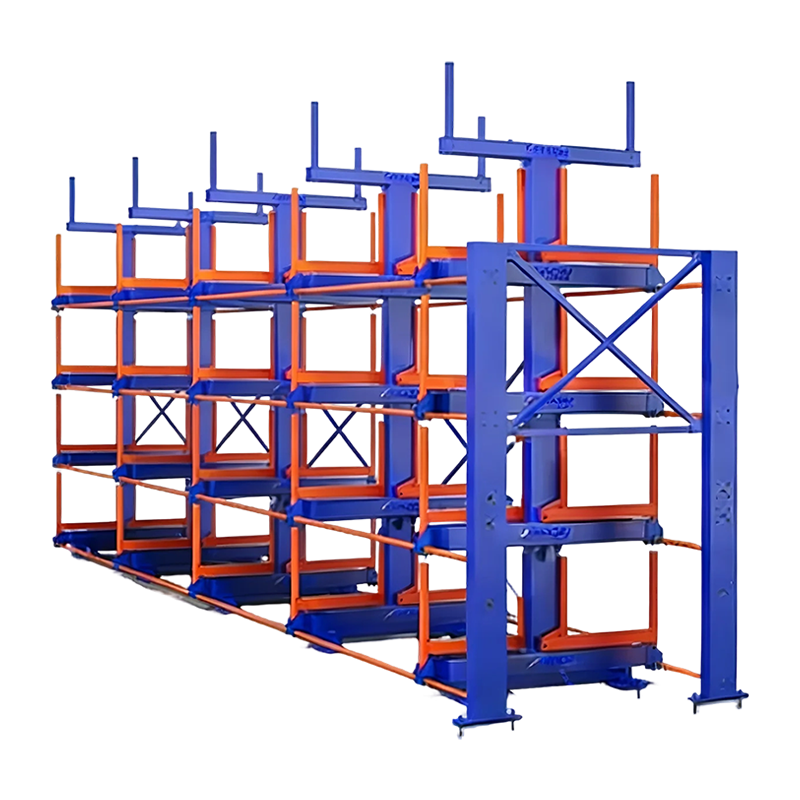
Cantilever Racks: These are the most popular choice. With arms extending outward from vertical columns, they provide open access from the front, making them ideal for storing pipes, rods, or lumber. Cantilever racks save space by eliminating the need for vertical posts in front, which allows materials of any length to fit easily.
Vertical Racks: These store materials upright, making them suitable for shorter lengths or places with limited floor space. They help in quick selection but are less effective for very long items.
Stackable Racks: Good for flexible storage needs, they allow you to stack materials in layers. However, they may consume more floor area compared to cantilever systems.
Customized Solutions: For industries with unique needs, a tailor-made rack system may be the most space-efficient.
When saving space is the priority, cantilever racks often deliver the best balance of capacity and accessibility.
3. Optimize Vertical Space
One of the biggest mistakes in warehouse planning is underusing vertical height. A Long Material Storage Rack should extend upward to take advantage of your facility’s full ceiling clearance. For example, if your warehouse has a 6-meter ceiling but you only use 3 meters of height, you are losing half of your potential storage space.
By installing taller racks and using forklifts or stacker cranes, you can multiply your storage density without expanding the building footprint.
4. Consider Accessibility and Aisle Width
Space efficiency is not just about packing as much material as possible into one area—it is also about ensuring that workers and machines can access materials quickly. Narrow aisles between racks can save floor space but may slow down loading and unloading if equipment cannot maneuver easily.
To strike a balance, analyze your material handling equipment. If you use forklifts, check the turning radius and required aisle width. If you rely on manual handling, ensure there is enough room for workers to move safely.
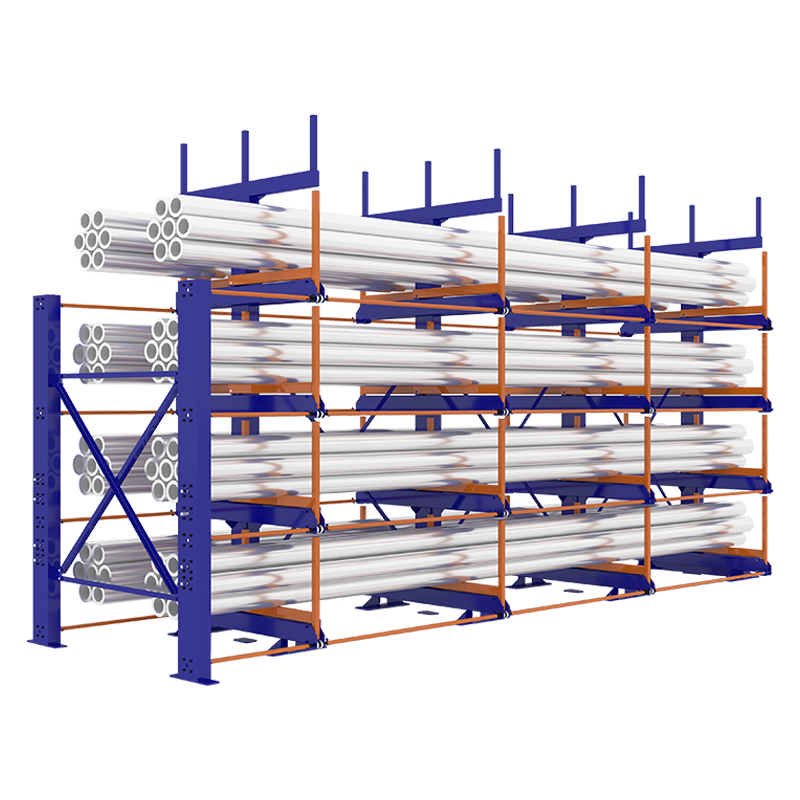
5. Use Adjustable Arms and Modular Systems
Materials do not always come in standard sizes. Investing in racks with adjustable arms or modular designs allows you to adapt the storage system to changing needs. For example, if you frequently switch between storing 3-meter pipes and 6-meter beams, adjustable racks let you reorganize without buying entirely new systems. This adaptability not only saves money but also maximizes usable space.
6. Prioritize Safety While Saving Space
A space-efficient warehouse is useless if it compromises worker safety. Long materials can be heavy and awkward to handle, so your rack must be stable, well-anchored, and compliant with safety standards. Overloaded or poorly designed racks may collapse, wasting more space in the long run and creating risks.
When evaluating racks, look for:
Sturdy construction with reinforced arms and bases.
Load ratings that match or exceed your material requirements.
Protective end stops or retainers to prevent materials from sliding off.
Safe and well-designed racks allow you to stack higher and store more without fear of accidents.
7. Plan for Future Growth
Choosing the right Long Material Storage Rack is not only about solving today’s storage challenges but also about preparing for tomorrow’s growth. If your business is likely to expand or diversify into new materials, a scalable rack system is essential.
Modular racks, where sections can be added as needed, are ideal for this purpose. They save space in the present while giving you flexibility for the future.
So, how do you choose a Long Material Storage Rack to save the most space? Start by analyzing the type of materials you handle, then select the rack design that matches both your load requirements and spatial constraints. Take full advantage of vertical space, balance accessibility with aisle width, and consider adjustable or modular systems for flexibility. Most importantly, never sacrifice safety for space efficiency.
With the right rack system in place, you can transform your warehouse into a more organized, space-saving, and efficient operation—without the need to expand your floor area.
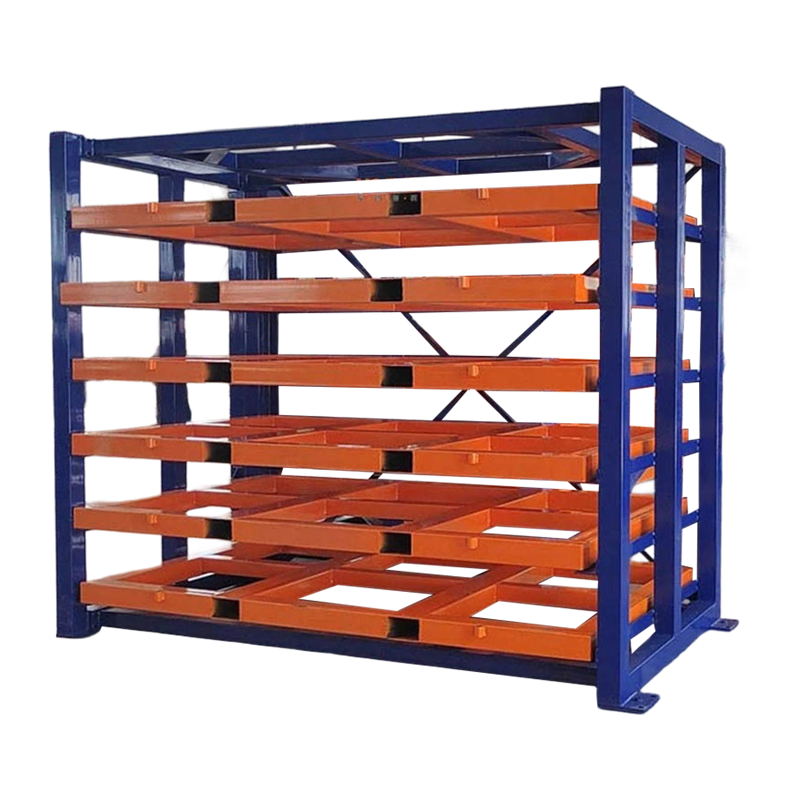
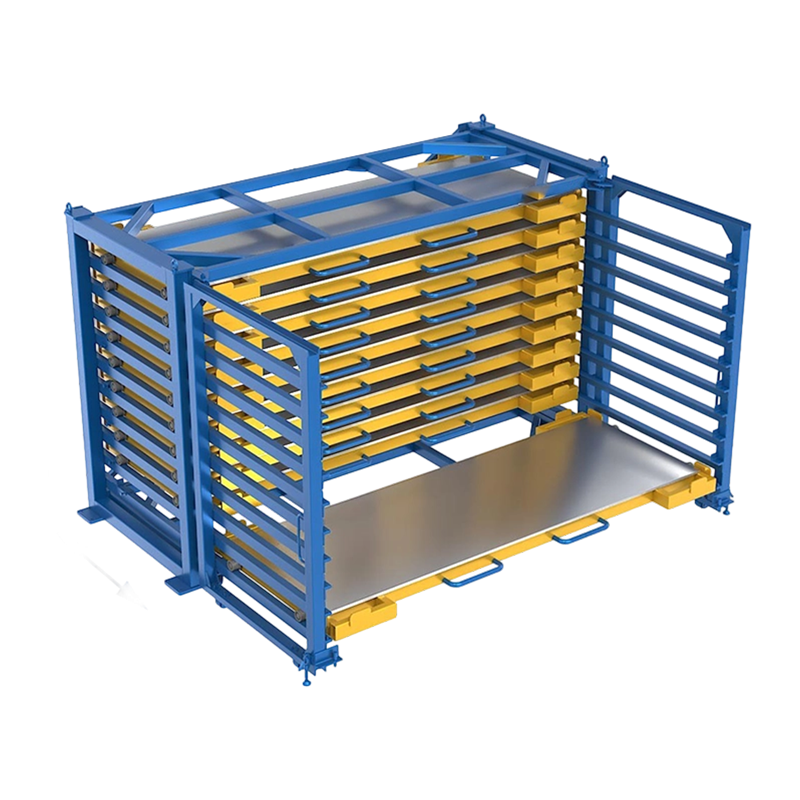
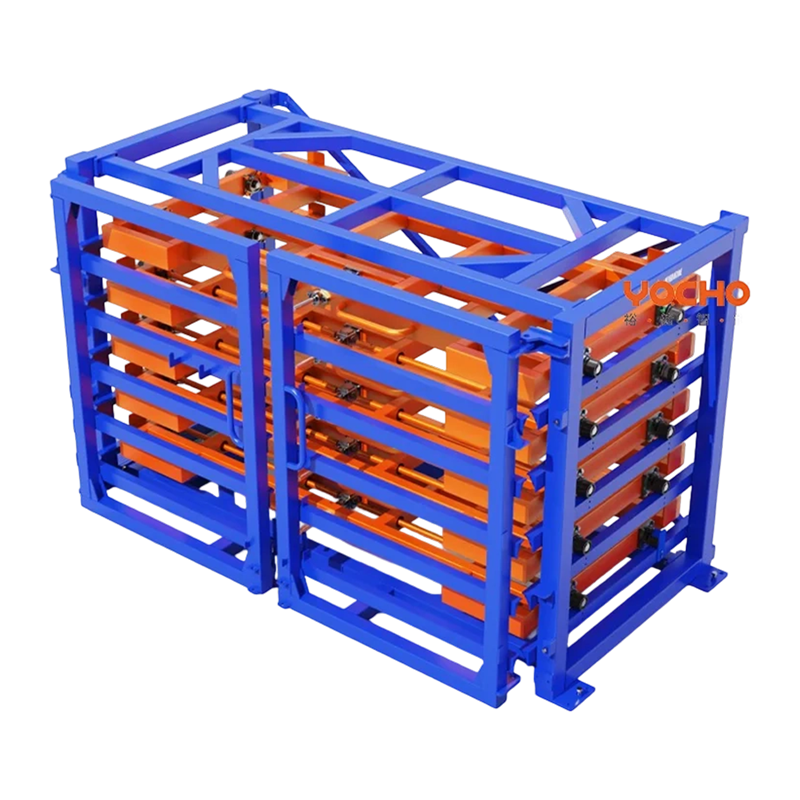

If you are interested in our products, please consult us
PRODUCTS
NEWS CENTER
MOBILE TERMINAL

CONTACT US
- ADDRESS: Room 205, Office Building, Shandong Yurui Machinery Group Co., Ltd., at the intersection of Banqiao Road and Huangjin Road, Pingyi Street, Pingyi County, Linyi City, Shandong Province.
- PHONE: +86-19819101584
- EMAIL: [email protected]
Linyi Yocho Storage Intelligent Manufacturing Co.,Ltd. ALL RIGHTS RESERVED. ALL RESERVED. Warehouse Rack Manufacturers Warehouse Shelves Factory
