

 русский
 Español
 عربى
عربى
What are the safety precautions when using Sheet Metal Storage Racks?
 2025.09.03
 Industry News
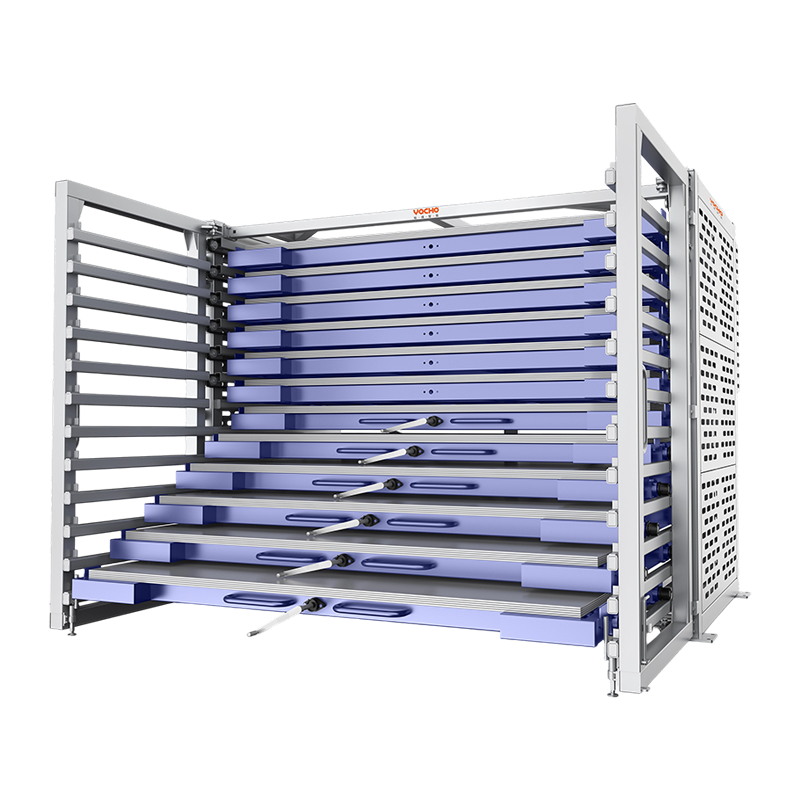
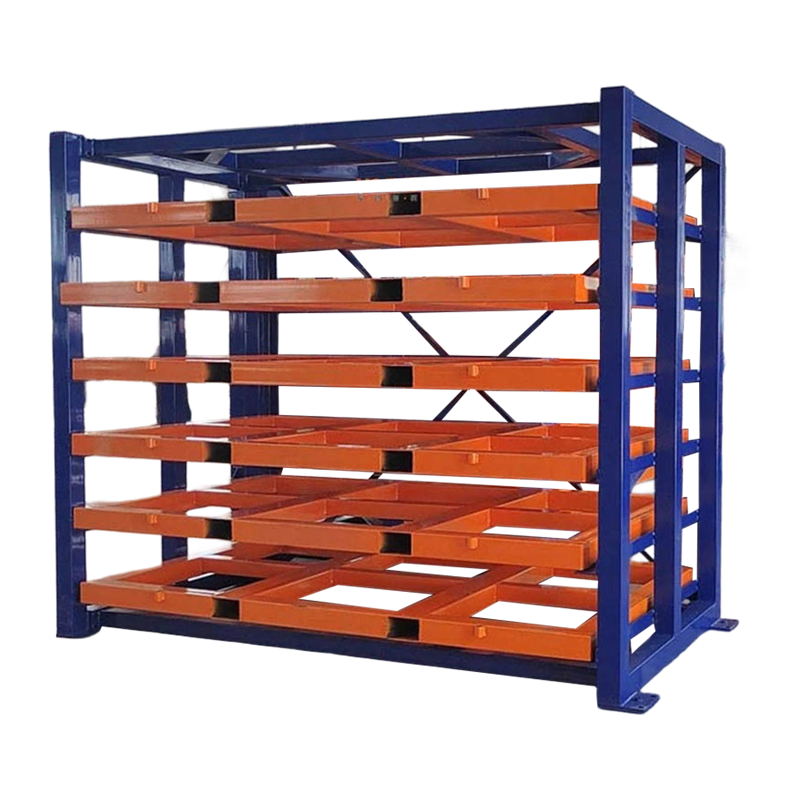
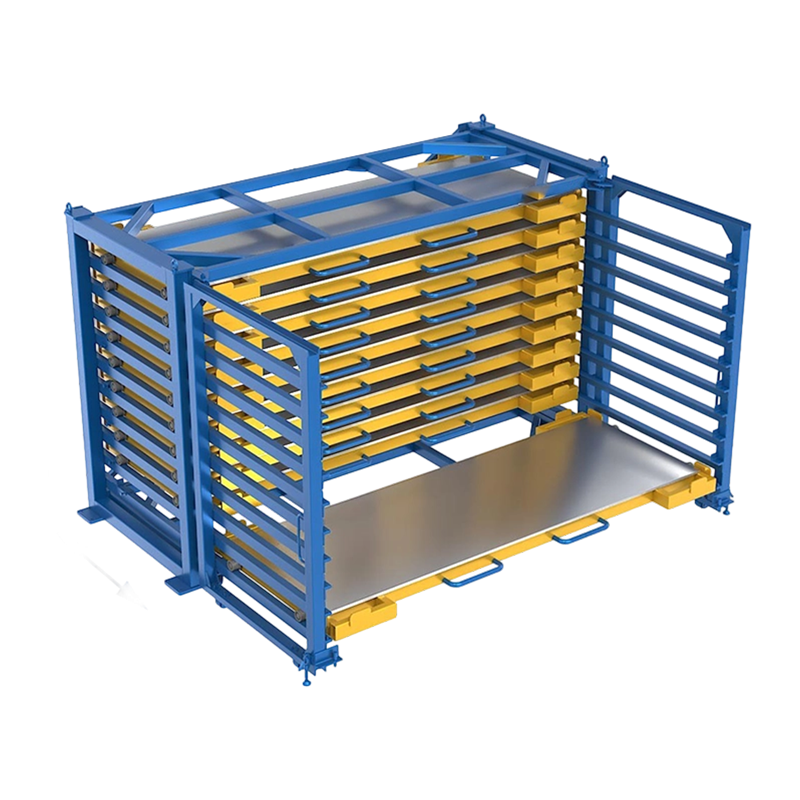
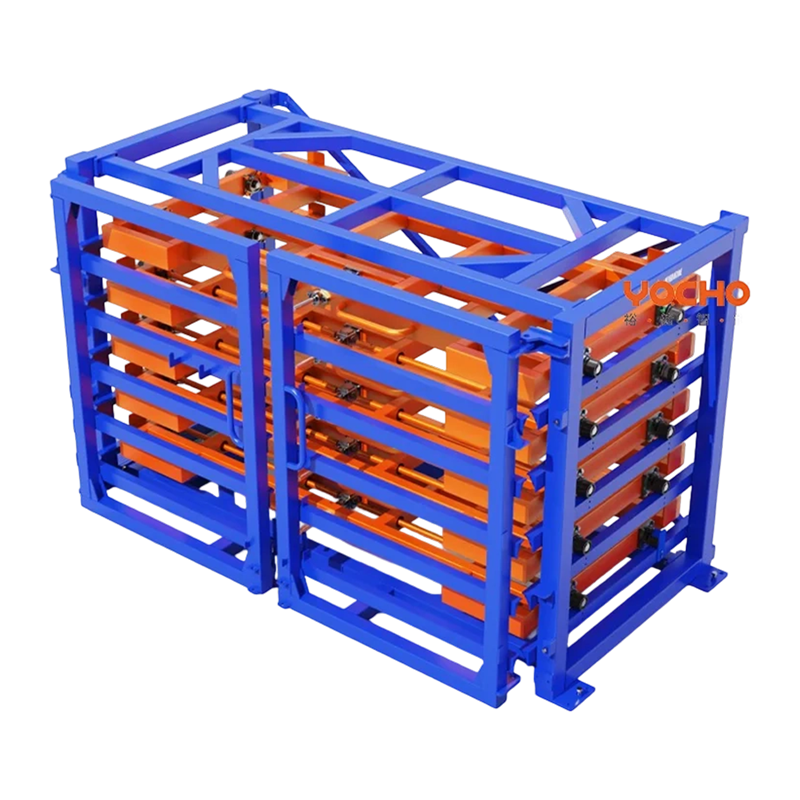
Sheet metal storage racks are essential in industrial settings, workshops, and warehouses for organizing, storing, and protecting metal sheets. While they provide convenience and efficiency, improper use can lead to accidents, injuries, or damage to materials. Observing safety precautions is crucial to ensure the well-being of employees and maintain an organized workplace. Below are key safety measures to follow when using sheet metal storage racks.
1. Choose the Right Rack for the Material
Not all storage racks are suitable for every type of sheet metal. Different metals vary in weight, thickness, and size. Before selecting a rack, evaluate the load capacity and dimensions to ensure it can safely support the material. Overloading racks beyond their designed weight limit can lead to structural failure and serious accidents. Always check the manufacturer’s specifications and adhere to recommended weight limits.
2. Inspect Racks Regularly
Regular inspection is essential to identify wear, damage, or structural weaknesses. Look for signs of rust, bent frames, loose bolts, or cracked welds. Any damaged racks should be repaired immediately or replaced. Routine checks prevent accidents caused by sudden collapses or failures of weakened racks.
3. Proper Installation
Correct installation of sheet metal storage racks is fundamental to safety. Racks should be assembled according to the manufacturer’s instructions and anchored securely to the floor if required. Uneven or unstable installation can cause tipping, especially when racks are heavily loaded. Ensure that the installation surface is level and free from debris.
4. Load Distribution
Even distribution of weight is crucial to prevent tipping or collapse. Place heavier sheets at the bottom and lighter sheets on top. Avoid stacking metal sheets too high, as excessive height can destabilize the rack. Clearly label load limits and educate employees about proper stacking practices.
5. Safe Handling Practices
Handling sheet metal requires care, as edges can be sharp and heavy. Always wear protective gloves, steel-toed shoes, and safety glasses when loading or unloading racks. Use mechanical aids such as forklifts or trolleys for heavy sheets to reduce the risk of strain or injury. Ensure that personnel are trained on safe lifting techniques.
6. Clear Aisles and Workspace
Maintain clear aisles around storage racks to facilitate easy access and reduce the risk of accidents. Avoid clutter near the racks, as obstructed pathways can cause trips or prevent quick evacuation in emergencies. Safety signs and floor markings can help maintain organized spaces and remind employees of potential hazards.
7. Avoid Overreaching or Climbing
Never climb on racks to retrieve sheets or attempt to reach high materials without proper equipment. Use ladders, lifts, or other safe means to access materials stored at higher levels. Overreaching can destabilize the rack and lead to falls or dropped sheets, posing serious danger.
8. Training and Awareness
Educating employees about proper use, load limits, and handling procedures is essential. Conduct regular safety training sessions and refreshers to ensure everyone understands the risks associated with sheet metal storage racks. Employees should also be aware of emergency procedures in case of accidents.
9. Use Protective Barriers and Guards
In areas where racks are frequently accessed by forklifts or heavy machinery, consider installing protective barriers or guards to prevent accidental collisions. Such measures protect both the racks and the operators, reducing the likelihood of accidents in busy work environments.
10. Emergency Preparedness
Accidents can happen even in well-maintained workplaces. Ensure that first-aid kits, fire extinguishers, and emergency exits are easily accessible near storage areas. Employees should know how to respond to injuries, spills, or rack collapses to minimize harm.
Conclusion
Sheet metal storage racks improve organization and workflow efficiency, but they must be used safely. Selecting appropriate racks, maintaining them regularly, distributing loads correctly, and training personnel are critical steps to prevent accidents. By following these safety precautions, companies can protect both their workforce and their valuable materials, creating a safer and more productive industrial environment.

If you are interested in our products, please consult us
PRODUCTS
NEWS CENTER
MOBILE TERMINAL

CONTACT US
- ADDRESS: Room 205, Office Building, Shandong Yurui Machinery Group Co., Ltd., at the intersection of Banqiao Road and Huangjin Road, Pingyi Street, Pingyi County, Linyi City, Shandong Province.
- PHONE: +86-19819101584
- EMAIL: [email protected]
Linyi Yocho Storage Intelligent Manufacturing Co.,Ltd. ALL RIGHTS RESERVED. ALL RESERVED. Warehouse Rack Manufacturers Warehouse Shelves Factory
