

 русский
 Español
 عربى
عربى
Long Material Storage Rack: Efficient Solutions for Storing Long and Heavy Materials
 2025.08.27
 Industry News
Introduction
The storage of long and heavy materials has always been one of the most difficult challenges in warehouse management. Unlike standardized goods that fit neatly onto pallets or box shelves, long materials require special consideration. To better understand why a Long Material Storage Rack is essential, let us break the introduction into clear points.
1. The Challenge of Storing Long Materials
Long items such as steel pipes, wooden planks, aluminum profiles, and sheet materials are often awkward in size and shape.
They cannot be stacked safely on standard pallet racks because of their length, uneven weight distribution, and tendency to roll or bend.
When left on the floor or piled against a wall, these materials consume valuable floor space, create obstacles, and raise the risk of accidents.
Workers often spend extra time searching for or retrieving items, which lowers overall warehouse efficiency.
2. Why Ordinary Racks Are Not Enough
Conventional racking systems are designed for uniform loads and standard pallets, not elongated goods.
Long materials require openfront access, which most regular racks cannot provide.
Heavy loads like steel bars can damage pallet racks or create safety hazards if improperly supported.
For businesses that deal with long stock every day, specialized racks are no longer optional but necessary.
3. What is a Long Material Storage Rack?
A Long Material Storage Rack is a specialized racking system designed to store elongated, oversized, or heavy materials in an organized way.
It provides horizontal or vertical compartments where items can be placed securely without stacking them unsafely.
The structure is usually made of reinforced steel and can be customized to meet different weight, length, and space requirements.
Unlike ordinary racks, it is designed to support easy loading and unloading, often with forklifts or manual handling.
4. The Risks of Poor Storage Practices
Safety Hazards: Long pipes or bars may roll and injure workers if left unsecured.
Material Damage: Aluminum profiles may bend or scratch; wooden planks may warp due to poor stacking.
Low Productivity: Workers spend more time searching, sorting, and moving materials in cluttered storage areas.
Wasted Space: Floor stacking takes up far more room than a structured racking system.
5. Key Benefits of Using a Long Material Storage Rack
Space Optimization: Makes better use of vertical and horizontal warehouse space.
Improved Safety: Provides stable compartments, preventing materials from shifting or collapsing.
Faster Access: Materials are stored in a way that allows workers to quickly locate and retrieve the right stock.
Cost Savings: Reduces damage to goods and minimizes wasted labor hours.
Professional Appearance: For warehouses that also serve as showrooms, organized racks create a better image for clients.
6. Types of Materials That Require Specialized Storage
Pipes and Tubes: Prone to rolling, must be stored securely.
Steel Bars and Rods: Very heavy, requiring reinforced racking.
Timber and Lumber: Bulky and sensitive to moisture; needs orderly stacking.
Aluminum Profiles and Extrusions: Lightweight but delicate, easily damaged.
Panels and Sheets: Wide and flat, requiring vertical or drawerstyle storage to save floor space.
7. The Role of Long Material Storage Racks in Modern Warehousing
With rising warehouse costs, space efficiency is critical.
Many industries, from metal fabrication to woodworking, now rely on these racks as part of lean management practices.
They fit into modern automation systems, allowing integration with forklifts, AGVs, or robotic arms.
As businesses adopt Industry 4.0, racks become part of a smarter, more connected storage ecosystem.
8. The Bigger Picture
Long Material Storage Racks are not just storage tools; they are strategic investments in safety, efficiency, and longterm cost control.
They enable companies to protect valuable materials, maintain an orderly workflow, and maximize space usage.
For growing businesses, choosing the right storage solution often means the difference between operational success and ongoing inefficiency.
9. Conclusion of the Introduction
In summary, the storage of long and heavy materials cannot be effectively managed with ordinary racking systems. A Long Material Storage Rack provides a safe, efficient, and professional solution that meets the specific needs of industries handling pipes, rods, timber, profiles, and panels. It addresses safety concerns, reduces wasted space, improves workflow, and prepares businesses for the future of smart warehousing.
What is a Long Material Storage Rack?
To understand the role and importance of a Long Material Storage Rack, we must first define what it is, how it works, and what makes it different from conventional racking systems. This section explores the concept in detail, breaking it down into clear points.
1. Definition and Basic Concept
A Long Material Storage Rack is a specialized industrial shelving system designed for materials that are long, heavy, or irregularly shaped.
Unlike standard pallet racks that hold boxes or uniformly sized goods, these racks accommodate pipes, bars, rods, lumber, profiles, and panels.
The primary function is to provide secure support, organized placement, and efficient access to materials that cannot fit onto normal shelving units.
The racks are built from reinforced steel frames, with arms or compartments designed to bear significant weight and prevent materials from rolling or collapsing.
2. Core Design Principles
The design of Long Material Storage Racks is based on several key principles:
Open Access: Materials must be retrievable without dismantling stacks, which is why cantilever arms or open compartments are commonly used.
Load Distribution: Long and heavy items often exert uneven pressure. The rack design ensures that weight is distributed evenly to prevent bending or collapse.
Customization: Since no two businesses handle materials of exactly the same size and weight, racks are built with modular and adjustable components.
Durability and Safety: Structural integrity is essential; racks are usually engineered to meet strict loadbearing standards and are finished with antirust coatings.
3. Main Structural Components
A typical Long Material Storage Rack includes the following parts:
1. Base – Provides foundation stability, often bolted to the floor.
2. Uprights or Columns – Vertical posts that carry the load of the arms and materials.
3. Arms – Horizontal extensions where materials are placed; can be fixed, adjustable, or removable.
4. Bracing – Crossbars or diagonal reinforcements to improve rack rigidity.
5. Decking or Support Beams (optional) – For flat panels or sheets, racks may include solid or mesh decking.
These components vary depending on the rack type, but the goal is always to provide strong, stable, and accessible storage for long items.
4. Horizontal vs. Vertical Storage
There are two common approaches to long material storage:
Horizontal Storage:
Materials are laid flat on horizontal arms or beams.
Best for heavy loads like steel bars or timber planks.
Usually requires forklifts or side loaders for handling.
Vertical Storage:
Materials are placed standing upright within dividers.
Suitable for pipes, tubes, and sheet goods.
Saves more floor space and allows quick manual access.
Choosing between horizontal or vertical depends on material type, handling method, and warehouse layout.
5. Variations of Long Material Storage Racks
Several specialized designs exist, each suited to different needs:
Cantilever Racks: Feature horizontal arms extending from vertical columns. Ideal for steel, timber, and bulky items.
AFrame Racks: Shaped like the letter "A," often used for vertical storage of pipes and rods.
Vertical Racks: Hold items upright, saving space and enabling manual selection.
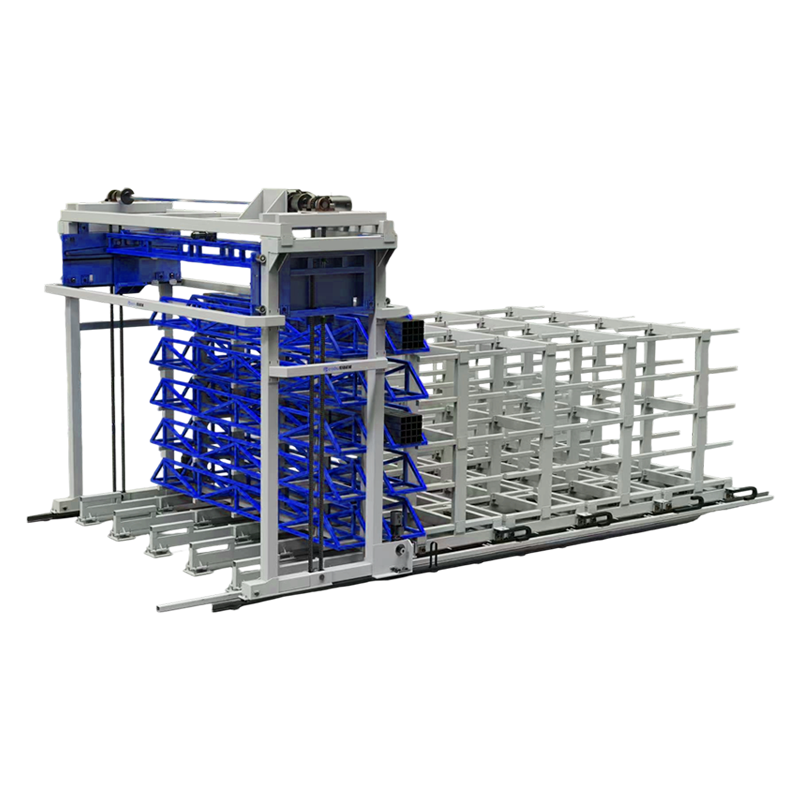
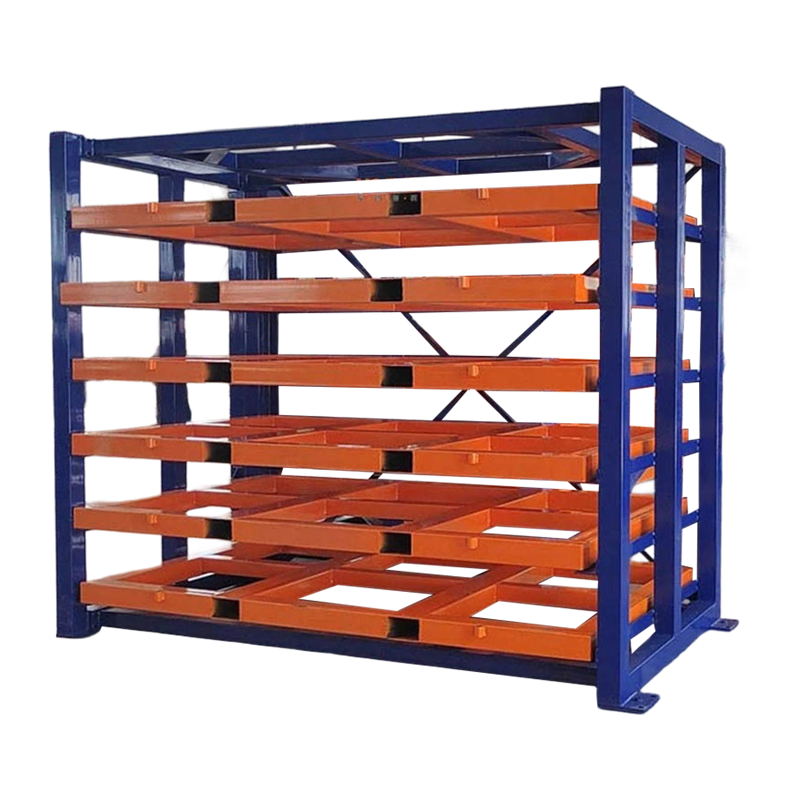
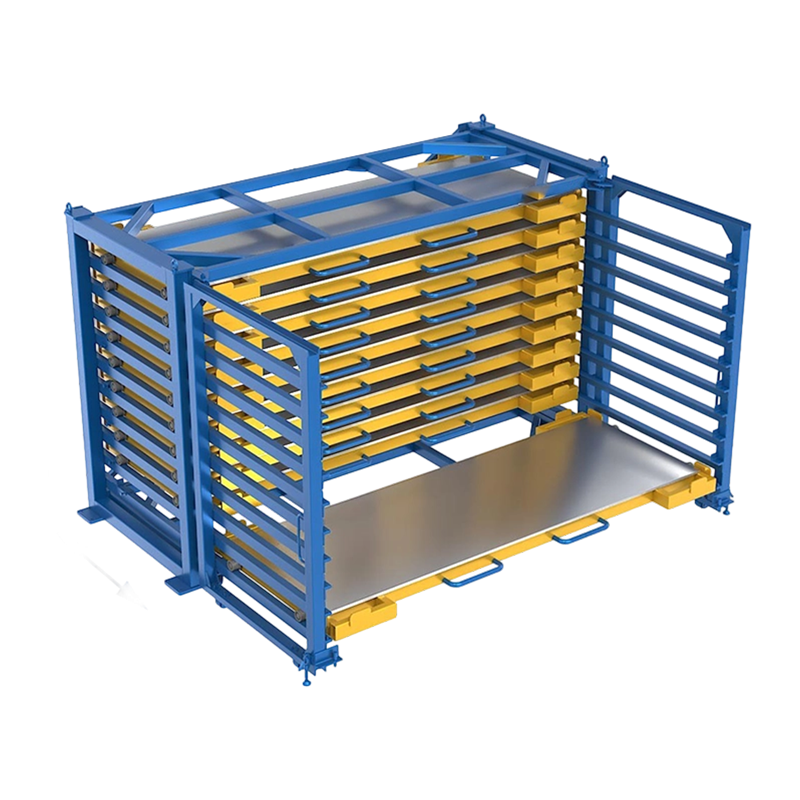
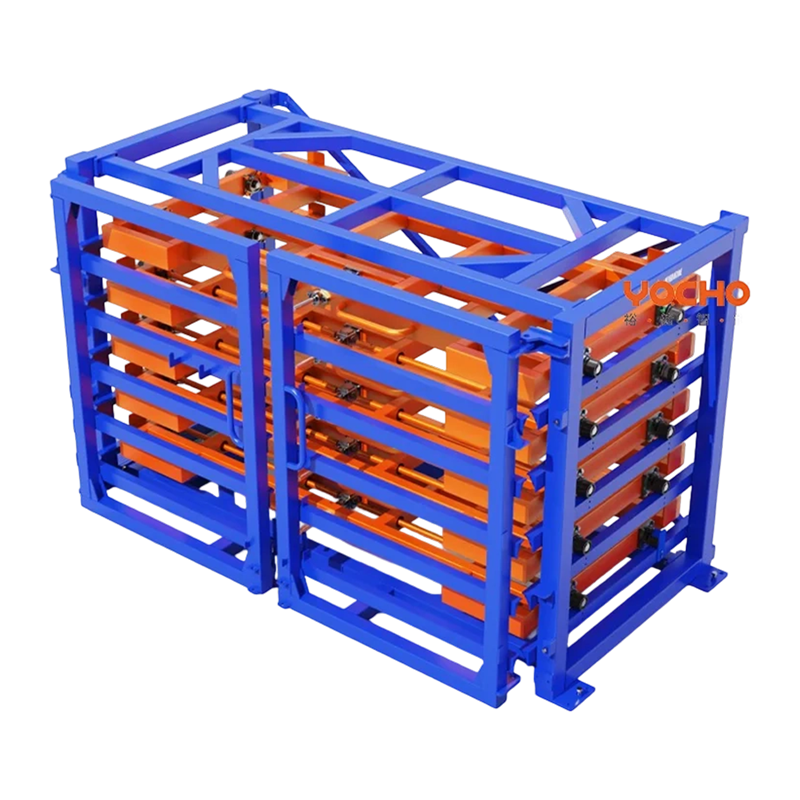
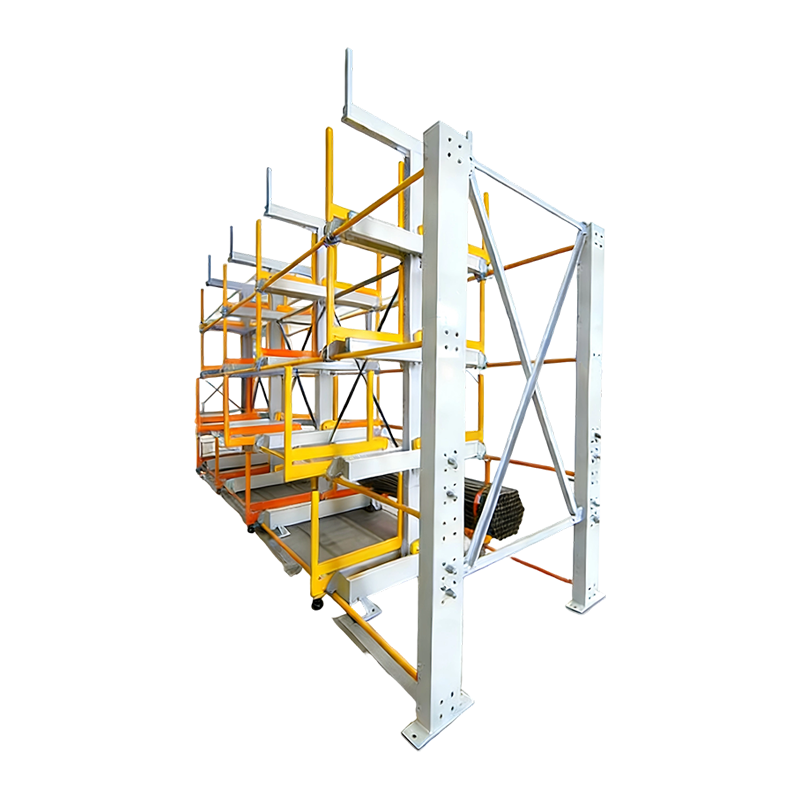
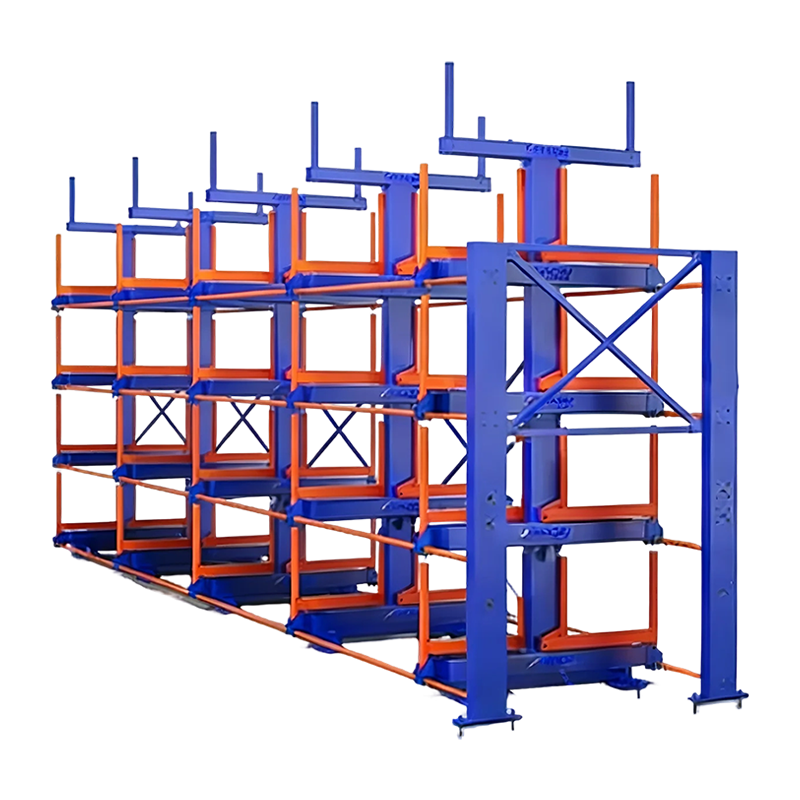
DrawerType or PullOut Racks: Allow materials to be stored in sliding compartments, improving accessibility.
Mobile Racks: Designed with wheels or tracks for flexibility in compact spaces.
This variety ensures that businesses can find a customfit solution based on their materials and operational style.
6. Differences Between Long Material Racks and Standard Pallet Racks
It is important to highlight why Long Material Storage Racks are distinct:
Load Shape: Pallet racks assume uniform dimensions; long racks accommodate irregular, oversized items.
Accessibility: Long racks allow retrieval from the front or side, while pallet racks are designed for forklift pallet insertion.
Safety: Long racks prevent rolling and sliding, which is a common hazard for elongated goods stored on pallets.
Flexibility: Pallet racks are static, while long racks often include adjustable arms or modular setups.
These differences underline why industries cannot simply “adapt” pallet racking systems for long goods—specialized racks are essential.
7. Materials Stored on Long Material Racks
The racks are versatile enough to store:
Metal products: steel bars, pipes, rods, aluminum profiles, and rebar.
Wood products: timber beams, lumber planks, and veneer sheets.
Construction supplies: PVC pipes, conduits, drywall sheets, and insulation panels.
Industrial stock: plastic rods, glass panels, composite materials.
Showroom goods: flooring, decorative panels, or large samples displayed for customers.
This versatility makes them applicable across multiple industries, from manufacturing to retail.
8. Safety Standards and Engineering Considerations
Because these racks carry heavy and irregular loads, safety engineering is critical:
Load Rating: Each arm and upright is tested to support specific weight limits.
Anchoring: Bases are typically bolted to concrete floors to prevent tipping.
Spacing: Arms are placed at intervals to prevent bending of long materials.
Surface Protection: Some racks are coated or padded to prevent scratching delicate materials like aluminum or glass.
Adhering to these standards ensures racks remain reliable, safe, and durable in demanding environments.
9. Advantages Over Improvised Storage Solutions
Some warehouses attempt to store long items using makeshift methods (stacking on the floor, leaning against walls, or modifying pallet racks). Compared to such methods, Long Material Storage Racks offer:
Orderly organization – materials have designated places.
Reduced damage – prevents bending, rolling, or surface scratches.
Improved worker safety – eliminates unstable stacks and trip hazards.
Higher storage density – better use of vertical space.
Faster workflow – easier retrieval reduces downtime.
In short, these racks convert chaotic storage into a systematic solution.
10. Strategic Importance in Business Operations
For manufacturers: ensures raw materials are accessible for production lines.
For warehouses: improves inventory management and tracking.
For retailers: creates a professional display for clients.
For logistics companies: simplifies handling, loading, and unloading.
Thus, a Long Material Storage Rack is not simply equipment—it is a strategic infrastructure asset that impacts efficiency, safety, and profitability.
11. Summary of the Concept
A Long Material Storage Rack is a purposebuilt racking system engineered to safely and efficiently store materials that are too long, heavy, or irregular for ordinary racks. By combining durability, flexibility, and accessibility, it solves one of the biggest challenges in industrial and commercial storage.
Key Features and Design of Long Material Storage Rack
A Long Material Storage Rack is not just a heavyduty shelf; it is a carefully engineered system designed to handle the challenges of storing oversized, elongated, and irregular materials. Its effectiveness lies in the features, materials, and structural design choices that make it both strong and practical. Below we examine the key aspects in detail.
1. HeavyDuty Construction
Steel Framework: Most racks are constructed from industrialgrade steel to handle heavy loads without bending.
Load Capacity: Arms and uprights are engineered to support anywhere from a few hundred kilograms to several tons.
Reinforced Joints: Welding or bolted connections ensure stability even under continuous use.
Surface Finishing: Powder coating or galvanization protects against rust, especially in humid or outdoor environments.
2. Modular and Adjustable Design
Adjustable Arms: Arms can often be moved up or down to fit different material heights.
Expandable System: Racks can be extended by adding more uprights and arms as storage needs grow.
Customizable Layouts: Options for singlesided or doublesided access, depending on available space.
Interchangeable Components: Damaged or worn parts can be replaced without replacing the entire rack.
This modularity makes the system futureproof and costeffective.
3. Types of Arms and Supports
The arms are the most critical part of the rack because they directly hold the material load. Common designs include:
Straight Arms: Suitable for flat and stable materials such as wooden planks.
Inclined Arms: Slight upward angle prevents items like pipes from rolling off.
Removable Arms: Allow easy adjustment or removal for oversized materials.
Stopper Ends: Small lips or caps at the end of arms to prevent accidental sliding.
The choice of arm design depends on the type of material being stored.
4. Horizontal and Vertical Configurations
Horizontal Racks: Materials rest flat across multiple arms. Ideal for long and heavy items such as steel bars or timber.
Vertical Racks: Materials stand upright within dividers. Best for lightweight but elongated goods like PVC pipes or panels.
Combination Systems: Some warehouses use a hybrid of both to maximize space efficiency.
This flexibility ensures that storage is tailored to both material characteristics and warehouse workflow.
5. Accessibility and Handling Efficiency
FrontLoading Access: Materials can be loaded or retrieved directly without moving other items.
Forklift Compatibility: Many racks are designed with open fronts and wide spacing for forklift handling.
Manual Retrieval: Vertical racks are designed for workers to pick materials by hand without strain.
PullOut Mechanisms: Drawerstyle racks allow easy access to specific items without disturbing the rest of the load.
Efficient access reduces labor costs and ensures faster material turnover.
6. Space Optimization Features
Vertical Space Utilization: Racks extend upwards, turning unused overhead space into valuable storage.
Narrow Aisle Adaptability: Some designs are slim enough to fit compact warehouses.
Mobile Options: Certain racks are mounted on wheels or rail systems for flexible positioning.
Stackable Systems: Units can be arranged side by side or stacked in multitier configurations.
Space efficiency is one of the strongest arguments for using Long Material Storage Racks.
7. SafetyOriented Design Elements
Anchored Bases: Racks are typically bolted to the floor to prevent tipping.
AntiTilt Bracing: Diagonal braces add stability against lateral forces.
End Stops and Guards: Prevent materials from sliding out unexpectedly.
Load Labels: Clear markings on maximum capacity to guide safe usage.
Protective Coatings: Help resist corrosion and minimize risks of rack failure.
These features ensure compliance with workplace safety standards and reduce accident risks.
8. Durability and Maintenance Considerations
IndustrialGrade Steel ensures the rack withstands heavy use over many years.
Weather Resistance: Galvanized finishes protect racks in outdoor storage yards.
Easy Maintenance: Regular inspection of bolts, arms, and base plates is simple due to modular design.
Replaceable Components: Allows costeffective repairs instead of full replacements.
Durability is crucial since racks are often a longterm investment for warehouses.
9. Customization Options
Every industry has different needs, so Long Material Storage Racks are often tailored:
Size Adjustments: Height, depth, and width can be customized.
Load Capacity Modifications: For extremely heavy items like steel coils.
Special Surfaces: Padded arms for delicate materials like aluminum or glass.
Color Coding: Helps in material identification and inventory organization.
Integrated Accessories: Such as dividers, trays, or labeling systems.
Customization ensures maximum compatibility with a company’s workflow.
10. Ergonomics and Worker Safety
Easy Retrieval: Reduces bending, stretching, or lifting injuries.
Clear Visibility: Materials are stored visibly, minimizing confusion and accidents.
Reduced Clutter: Proper storage eliminates trip hazards in walkways.
Accessible Heights: Adjustable racks keep materials within safe handling range.
Good design not only protects materials but also protects workers from injury.
11. Integration with Automated Systems
With Industry 4.0 and smart warehousing, racks are now integrated into automation:
Forklift Guidance: Racks designed with forklift lanes for precise handling.
AGV (Automated Guided Vehicle) Compatibility: Materials can be transported automatically to and from racks.
Automated Retrieval Systems: Drawerstyle racks can be linked with robotic arms.
Digital Inventory Tracking: RFID tags and sensors may be attached to racks for realtime monitoring.
Such integration improves productivity, traceability, and operational efficiency.
12. CostEffective Investment
Although Long Material Storage Racks require upfront investment, their design provides:
Reduced Material Damage: Saving replacement costs.
Lower Labor Costs: Faster access reduces wasted time.
Higher Storage Density: Maximizes warehouse space, delaying or avoiding costly expansions.
Long Service Life: Strong, lowmaintenance construction provides excellent ROI.
This makes them a practical and financially sound choice for many industries.
13. Aesthetic and Professional Appeal
In industries where materials are displayed to customers (e.g., flooring, lumber, or hardware suppliers), racks also serve as presentation systems.
A wellorganized rack layout conveys professionalism, order, and reliability.
Customers gain confidence when they see materials stored systematically rather than stacked chaotically.
Thus, good design enhances not only functionality but also business image.
14. Summary of Key Design Features
The effectiveness of Long Material Storage Racks comes from:
Heavyduty steel construction
Modular and adjustable design
Variety of arm and support options
Horizontal and vertical configurations
Safetyfocused engineering
Space optimization and durability
Customization and automation readiness
Together, these features make the Long Material Storage Rack a highperformance solution for storing difficult materials safely, efficiently, and professionally.
A Long Material Storage Rack is a specialized system designed to store oversized and elongated goods such as pipes, steel bars, lumber, aluminum profiles, and panels. Unlike standard pallet racks, these racks are engineered to handle irregular shapes, heavy loads, and materials that require both safety and accessibility. Their construction typically features reinforced steel frames, adjustable arms, and modular designs that maximize warehouse space while ensuring worker safety.
Different types of racks address specific needs: cantilever racks for heavy-duty timber and steel, A-frame racks for pipes and rods, vertical racks for lightweight profiles, drawer-type racks for delicate sheets and panels, and mobile racks for facilities with limited space. Combination and specialty racks provide tailored solutions for multi-material storage.
The benefits of Long Material Storage Racks extend beyond simple organization. They improve safety by reducing the risk of accidents, optimize space usage, enhance workflow efficiency, and minimize material damage. In modern industries, these racks are also compatible with automation systems, making them a future-ready investment.
Ultimately, a Long Material Storage Rack is not just equipment but a strategic asset—helping businesses achieve efficiency, safety, and cost-effectiveness in material handling and storage.

If you are interested in our products, please consult us
PRODUCTS
NEWS CENTER
MOBILE TERMINAL

CONTACT US
- ADDRESS: Room 205, Office Building, Shandong Yurui Machinery Group Co., Ltd., at the intersection of Banqiao Road and Huangjin Road, Pingyi Street, Pingyi County, Linyi City, Shandong Province.
- PHONE: +86-19819101584
- EMAIL: [email protected]
Linyi Yocho Storage Intelligent Manufacturing Co.,Ltd. ALL RIGHTS RESERVED. ALL RESERVED. Warehouse Rack Manufacturers Warehouse Shelves Factory
