

 русский
 Español
 عربى
عربى
Pick Arm & Warehouse Picking Methods: How to Choose the Right One
 2026.03.10
 Industry News
Content
- 1 Warehouse Picking Methods at a Glance: Which One Actually Works Best?
- 2 What Is a Pick Arm and Where Does It Fit in the Picking Process
- 3 The Core Picking Methods Used in Warehouses Today
- 4 Comparing Picking Methods: Speed, Accuracy, and Complexity
- 5 Pick Arm Technology: Ergonomic Assist vs. Fully Robotic
- 6 How to Choose a Picking Method for Your Warehouse
- 7 Combining Picking Methods: The Hybrid Approach Most Efficient Warehouses Use
- 8 Common Mistakes in Warehouse Picking Operations
Warehouse Picking Methods at a Glance: Which One Actually Works Best?
The best picking method depends on your order volume, SKU count, and warehouse layout — there is no universal answer. For small operations with low order volume, piece picking by hand is often sufficient. For high-volume fulfillment centers, zone picking or wave picking combined with a pick arm or automated pick assist system dramatically reduces travel time and error rates. Understanding the trade-offs between each method — and how tools like a pick arm fit into the equation — is the fastest path to improving warehouse efficiency.
What Is a Pick Arm and Where Does It Fit in the Picking Process
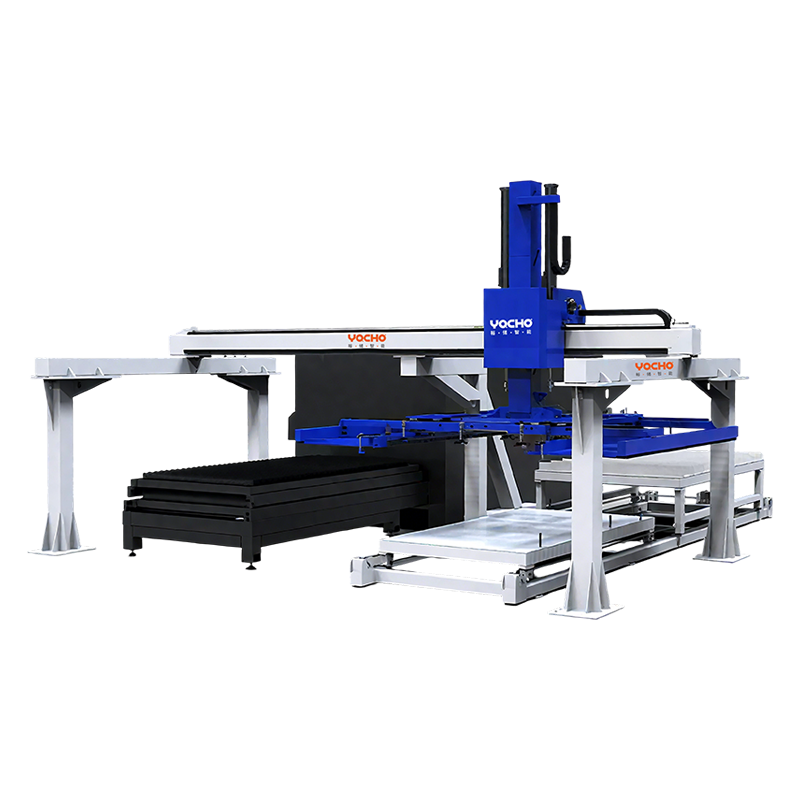
A pick arm — sometimes called a robotic pick arm or articulated picking arm — is a mechanical or robotic extension used to retrieve items from shelving, bins, or conveyor systems without requiring a worker to reach, bend, or climb. In warehouse contexts, pick arms range from simple ergonomic assist tools (counterbalanced vacuum arms that help workers lift heavy totes) to fully autonomous robotic arms integrated with vision systems and warehouse management software.
Pick arms are most commonly deployed in three scenarios:
- High-density storage environments where human reach is physically limited
- Repetitive pick operations with consistent SKU geometry (boxes, bottles, uniform pouches)
- Cold storage or hazardous material warehouses where limiting human exposure matters
According to a 2023 MHI Industry Report, robotic pick arms can achieve pick rates of 600–1,200 picks per hour under ideal conditions — roughly 3–6 times faster than a trained human picker working manually. However, they remain cost-prohibitive for many mid-size operations, which is why understanding manual picking methods remains essential.
The Core Picking Methods Used in Warehouses Today
Most warehouses use one or a combination of these five primary picking methods. Each has a distinct workflow logic, ideal use case, and set of limitations.
Piece Picking (Discrete Picking)
One picker handles one order at a time, walking the entire warehouse to collect every item on a single pick list before moving to the next order. This is the simplest method to implement and requires no special coordination, but it is the least efficient approach at scale. Travel time can account for up to 60% of a picker's working hours in a large facility using this method. It is best suited for low-volume operations processing fewer than 50 orders per day, or for fulfilling large, complex orders that require careful verification.
Batch Picking
A single picker collects items for multiple orders simultaneously in one pass through the warehouse, then sorts them into individual orders at a consolidation station. Batch picking reduces total travel distance by 40–60% compared to discrete picking when handling 5–15 orders per batch. It works best when orders share common SKUs, and it pairs naturally with a pick arm at the consolidation stage to speed up the sorting process. The main challenge is managing batch size — too many orders per batch leads to sorting errors.
Zone Picking
The warehouse is divided into physical zones, and each picker is assigned to one zone. An order travels through each zone sequentially or simultaneously (pick-and-pass vs. pick-and-merge). Zone picking works exceptionally well for large warehouses with 10,000+ SKUs because it confines each worker to a familiar area, reducing errors and training time. Amazon's fulfillment centers famously use a variant of zone picking where workers remain stationary and goods-to-person systems (including pick arms) bring items to the picker rather than the other way around.
Wave Picking
Orders are grouped into "waves" and released to the floor at scheduled intervals, typically aligned with outbound shipping cutoff times. Wave picking coordinates picking, packing, and shipping as an integrated cycle. It requires a warehouse management system (WMS) to be effective and is common in operations with strict carrier pickup windows and high daily order volumes (500+ orders/day). When robotic pick arms are used in wave picking environments, they are typically deployed as buffer stations between picking zones and the packing line.
Cluster Picking
A variation of batch picking where the picker carries a multi-slot cart or uses a pick-to-cart system, placing items for different orders directly into separate totes in a single warehouse pass. Cluster picking eliminates the separate sorting step required in standard batch picking. With the right cart configuration, a single picker can process 6–12 orders simultaneously without significantly increasing error rates. This method benefits most from pick arm assist tools when dealing with heavy or awkward items at lower or higher shelf positions.
Comparing Picking Methods: Speed, Accuracy, and Complexity
| Picking Method | Best Order Volume | Travel Time Reduction | Error Risk | WMS Required |
|---|---|---|---|---|
| Piece (Discrete) | Low (<50/day) | Baseline | Low | No |
| Batch | Medium (50–300/day) | 40–60% | Medium | Recommended |
| Zone | High (300–1,000/day) | 50–70% | Low–Medium | Yes |
| Wave | Very High (500+/day) | 60–75% | Low | Yes (essential) |
| Cluster | Medium–High (200–600/day) | 50–65% | Medium | Recommended |
Pick Arm Technology: Ergonomic Assist vs. Fully Robotic
The term "pick arm" covers a wide spectrum of technology. Understanding the difference between categories helps warehouse managers match the right tool to their operational stage.
Ergonomic Pick Arm Assists
These are counterbalanced mechanical arms mounted to workstations or mobile carts. They don't replace a human picker — they reduce the physical strain of lifting, extending, or lowering heavy items during the pick. A vacuum-lift pick arm, for example, can allow a worker to handle totes weighing up to 66 lbs (30 kg) with near-zero perceived effort. These tools are particularly valuable in batch and cluster picking environments where repetitive heavy lifts cause musculoskeletal injuries — one of the leading causes of lost workdays in warehouse environments, accounting for over 33% of warehouse injuries according to OSHA data.
Semi-Autonomous Pick Arms
Semi-autonomous systems use sensors and limited AI to position themselves, but still rely on a human operator to confirm or initiate the pick. They are common in pharmaceutical and electronics warehouses where item fragility demands human judgment but reach and positioning can be mechanized. Implementation costs typically fall in the $80,000–$250,000 range per arm, making them accessible to mid-market operations.
Fully Autonomous Robotic Pick Arms
These systems use 3D vision, deep learning, and real-time SKU recognition to pick items entirely without human intervention. Leading vendors include Covariant, Dexterity, and Berkshire Grey. They excel with uniform, predictable item types — the current generation of robotic pick arms still struggles with highly deformable packaging, polybags, or irregular shapes. Full integration with a WMS is mandatory. Return on investment is typically realized within 18–36 months for operations exceeding 1,000 picks per hour.
How to Choose a Picking Method for Your Warehouse
Selecting the right picking method is not a one-time decision — it should evolve with your order volume and SKU complexity. Use this framework to evaluate your current situation:
- Audit your current travel time. If pickers spend more than 50% of their time walking rather than picking, you need zone or wave picking — or a goods-to-person system using pick arms.
- Analyze your SKU profile. If over 20% of orders share common SKUs, batch or cluster picking will immediately improve throughput without capital investment.
- Assess injury rates and ergonomic risk. High rates of upper-body musculoskeletal injuries suggest ergonomic pick arm assists should be integrated before other automation.
- Check your WMS capability. Wave and zone picking require real-time inventory visibility and order batching logic. If your WMS can't support this, upgrade it before changing picking methods.
- Model the ROI on robotic pick arms honestly. Factor in integration costs, maintenance contracts, and the percentage of your SKU catalog that is actually robot-pickable before committing to full automation.
Combining Picking Methods: The Hybrid Approach Most Efficient Warehouses Use
Most high-performing warehouses don't rely on a single picking method — they use hybrids. A common and effective configuration is zone-batch picking: the warehouse is divided into zones (to limit travel), and within each zone, pickers work in batches (to maximize picks per trip). This combination can achieve travel time reductions of 70–80% compared to baseline discrete picking.
When pick arms are added to this hybrid model, they are typically deployed at the highest-velocity zones — areas where SKU turnover is fastest and physical strain is greatest. A 2022 case study from a UK-based third-party logistics provider found that deploying ergonomic vacuum pick arms in just two of their eight picking zones reduced musculoskeletal incident reports by 47% in the first year and improved picks-per-hour in those zones by 22% — without requiring changes to the broader picking strategy.
The takeaway: you don't need to automate everything to see meaningful gains. Strategic deployment of pick arms in targeted bottleneck zones, combined with the right picking method for your volume tier, consistently outperforms both full manual operations and rushed full-automation rollouts.
Common Mistakes in Warehouse Picking Operations
Even well-resourced warehouses make avoidable errors in their picking strategy. These are the most frequently observed:
- Skipping slotting optimization. Placing high-velocity SKUs far from the packing area forces pickers to travel unnecessarily. Re-slotting the top 20% of SKUs by velocity to golden zone locations (waist-to-shoulder height, near dispatch) typically improves pick rates by 10–15% with no technology investment.
- Over-batching. Increasing batch size beyond 12–15 orders per pass rarely improves efficiency and significantly raises sorting errors, especially without a WMS to validate picks in real time.
- Deploying pick arms on incompatible SKUs. Robotic pick arms have documented failure rates of 15–30% on irregular, compressible, or transparent items. Piloting with a representative SKU sample before full deployment avoids costly integration failures.
- Neglecting pick path optimization. Even in a manual discrete picking operation, sequencing the pick list by warehouse location rather than order of item entry can reduce travel distance by up to 30%.
- Treating picking method selection as permanent. Warehouses that review and adjust their picking method and tooling configuration quarterly — rather than annually — consistently outperform those that treat the initial setup as fixed.

If you are interested in our products, please consult us
PRODUCTS
NEWS CENTER
MOBILE TERMINAL

CONTACT US
- ADDRESS: Room 205, Office Building, Shandong Yurui Machinery Group Co., Ltd., at the intersection of Banqiao Road and Huangjin Road, Pingyi Street, Pingyi County, Linyi City, Shandong Province.
- PHONE: +86-19819101584
- EMAIL: [email protected]
Linyi Yocho Storage Intelligent Manufacturing Co.,Ltd. ALL RIGHTS RESERVED. ALL RESERVED. Warehouse Rack Manufacturers Warehouse Shelves Factory
