

 русский
 Español
 عربى
عربى
Warehousing of Products with Conventional Racking: A Complete Guide
 2026.04.23
 Industry News
Content
What Is Conventional Racking in Product Warehousing?
Conventional racking—also referred to as selective pallet racking—is the most widely used structural storage system in modern warehousing. At its core, it consists of vertical upright frames connected by horizontal load beams, forming bays into which palletized goods are placed directly, one pallet per storage position. This configuration gives operators immediate, individual access to every unit load stored in the system.
The system's defining characteristic is its direct-access design. Unlike compact storage alternatives where pallets are stored in depth behind one another, conventional racking keeps each storage location independently reachable by a standard forklift without moving other loads. This makes it the default solution for warehouses managing a wide variety of products with different SKUs, turnover rates, and pallet specifications.
Structurally, conventional racking is engineered to bear significant vertical and lateral loads. Upright frames are manufactured from cold-rolled or hot-rolled steel profiles, with beam connectors—commonly a teardrop or slot-and-clip system—that allow beam heights to be adjusted without tools, making the system highly reconfigurable. Our range of warehouse racking systems is built to these structural principles, designed for both standard distribution environments and demanding industrial applications.
Since the mid-20th century, conventional pallet racking has become a foundational element of warehousing infrastructure globally. Its prevalence is explained by a combination of low implementation cost, mechanical simplicity, and compatibility with standard forklift equipment—factors that make it accessible to facilities of virtually any size or sector.
Main Types of Conventional Racking Systems
While all conventional racking shares the same core frame-and-beam architecture, several configurations have been developed to address different warehousing needs. Understanding these variants is essential to selecting the right system for a given product mix and operational model.
Single-Deep Selective Racking
The standard configuration: one pallet stored per bay depth, with every position directly accessible from the aisle. This is the most flexible arrangement, ideal for warehouses with a high number of SKUs and relatively few pallets per product line. It requires the widest aisle widths—typically 2.5 to 3.5 meters for standard counterbalance forklifts—but provides the fastest pick-and-place cycle times.
Double-Deep Racking
In this variant, two pallets are stored one behind the other in each bay, effectively doubling storage depth. This increases storage density without expanding the warehouse footprint, but reduces selectivity: the rear pallet in any position is inaccessible until the front pallet is removed. It is best suited for products where at least two identical pallets are always available per SKU. Forklifts with telescopic or pantograph forks are required to reach rear positions.
Very Narrow Aisle (VNA) Racking
VNA racking uses the same single-deep selective structure but reduces aisle widths to as little as 1.5 meters by replacing standard forklifts with specialized guided vehicles or trilateral stacker cranes. This configuration can deliver space savings exceeding 40% compared to standard selective racking. It is particularly effective in high-cube warehouses where maximizing vertical storage height is a priority.
Drive-In and Drive-Through Racking
While technically a hybrid of conventional and compact storage, these systems use the same upright-and-rail structure. Forklifts enter the rack structure directly to place pallets on rails at depth. Drive-in operates on a LIFO (Last In, First Out) basis with single-entry access; drive-through allows entry from both ends and supports FIFO (First In, First Out) stock rotation. These configurations maximize density but reduce selectivity and require careful forklift operation to avoid rack damage.
| Type | Selectivity | Storage Density | Stock Rotation | Best For |
|---|---|---|---|---|
| Single-Deep Selective | 100% | Moderate | FIFO / LIFO | High SKU variety |
| Double-Deep | 50% | High | LIFO | Medium SKU variety, bulk lines |
| VNA | 100% | Very High | FIFO / LIFO | High-cube facilities, low SKU count |
| Drive-In | Low | Very High | LIFO | Homogeneous products, bulk storage |
| Drive-Through | Low | Very High | FIFO | High-turnover, date-sensitive goods |
How Conventional Racking Supports Product Warehousing
The value of conventional racking in a product warehousing context extends well beyond simple storage. When correctly designed and implemented, it directly influences inventory accuracy, operational throughput, and workforce efficiency.
Managing SKU Diversity
Product warehouses typically manage a wide range of SKUs with varying dimensions, weights, and turnover velocities. Conventional selective racking is uniquely suited to this environment because each storage location is independently adjustable and directly accessible. Beam heights can be reconfigured to match different pallet heights, and bays can be widened or narrowed to accommodate non-standard load footprints. This adaptability reduces the operational friction that arises when a rigid storage system must accommodate a changing product catalog.
Inventory Control: FIFO and LIFO Compliance
Many product categories—particularly food, pharmaceuticals, and time-sensitive industrial components—require strict stock rotation protocols. Single-deep selective racking, combined with a well-designed aisle layout, naturally supports FIFO rotation: operators always access the oldest pallet first, since positions are visible and individually reachable. For products where LIFO rotation is acceptable, double-deep or drive-in configurations provide the additional density benefits without compromising rotation compliance.
Order Picking Efficiency
Conventional racking integrates readily with ground-level picking operations. The lower levels of selective bays can be configured as dedicated pick faces, while upper levels hold reserve stock. This two-tier logic—bulk reserve above, active pick below—is a proven method for improving pick rates and reducing travel time within the warehouse. When combined with barcode or RFID location labeling, conventional racking provides the physical infrastructure for a precise, auditable inventory management system.
Key Advantages and Limitations
A clear-eyed assessment of conventional racking's strengths and constraints is essential for making a sound investment decision. No storage system is universally optimal, and conventional racking is no exception.
Advantages
- Low implementation cost: Conventional selective racking has the lowest cost per pallet position among all racking types, making it accessible even for facilities with constrained capital budgets.
- Universal forklift compatibility: Standard counterbalance forklifts are sufficient for most configurations, eliminating the need for specialized handling equipment investment.
- Full selectivity: In single-deep configuration, 100% of stored pallets are directly accessible at any time, enabling rapid response to variable demand.
- Modular and scalable: Bays can be added, removed, or reconfigured as inventory requirements change, without requiring significant structural modifications.
- Compatibility with automation: Conventional racking can serve as the physical backbone for semi-automated or fully automated retrieval systems added at a later stage.
Limitations
- Aisle space consumption: Standard aisle widths required for forklift operation mean that 40–50% of total floor area is dedicated to transit rather than storage. This reduces volumetric efficiency compared to high-density alternatives.
- Labor intensity: All retrieval and placement operations depend on human-operated forklifts, which introduces variability in throughput and increases the risk of human error or rack damage.
- Vertical underutilization in low-clearance facilities: Warehouses with limited ceiling height cannot fully exploit the vertical storage potential of conventional racking, reducing its cost-efficiency advantage.
Design and Safety Considerations
The performance and longevity of a conventional racking system depend heavily on rigorous engineering at the design stage and disciplined maintenance throughout its operational life.
Load Capacity Engineering
Each racking bay must be designed around the maximum unit load it will carry—including both the pallet and its contents. Upright frames are specified by their sectional moment of inertia and yield strength, while beam capacity is determined by span length and the distributed load applied. Overloading any single component compromises the entire structure, which is why load notices—showing maximum bay load and beam capacity—should be posted visibly on every racking installation. Seismic zone requirements must also be factored into upright bracing design for facilities in geologically active regions.
Aisle Width and Forklift Matching
Aisle width must be matched precisely to the turning radius of the forklifts in use. An undersized aisle forces operators to approach racks at angles, increasing the risk of upright impact. The minimum working aisle width for a standard counterbalance forklift typically ranges from 3.0 to 3.5 meters. Reach trucks and order pickers allow for narrower aisles (2.0 to 2.5 meters), while VNA equipment can operate in aisles as narrow as 1.5 meters with guidance rail systems.
Inspection and Maintenance
Regular inspection is a non-negotiable element of racking safety. Industry guidelines recommend formal visual inspections at least annually by a qualified rack inspector, supplemented by routine in-house checks by trained staff. Any upright showing a horizontal deflection exceeding 3mm per 25mm of section height should be taken out of service immediately. Damaged components must be replaced with manufacturer-original parts to preserve the system's structural certification and load ratings.
When to Upgrade: Conventional Racking vs Automated Storage
Conventional racking remains the right choice for a broad range of warehousing scenarios. However, as operational complexity increases, several signals indicate that an upgrade to more advanced storage solutions is warranted.
Consider transitioning away from a purely conventional system when:
- Floor space is exhausted and expansion is not feasible. Automated high-bay systems can utilize vertical space up to 45 meters, dramatically increasing storage capacity within the existing building footprint.
- Labor costs are rising and throughput demands are scaling faster than headcount. Automated retrieval reduces per-pick labor cost and eliminates dependency on forklift operator availability.
- Inventory accuracy is insufficient. Manual racking environments are prone to misplacement errors. Automated systems with integrated warehouse management software enforce location discipline at every transaction.
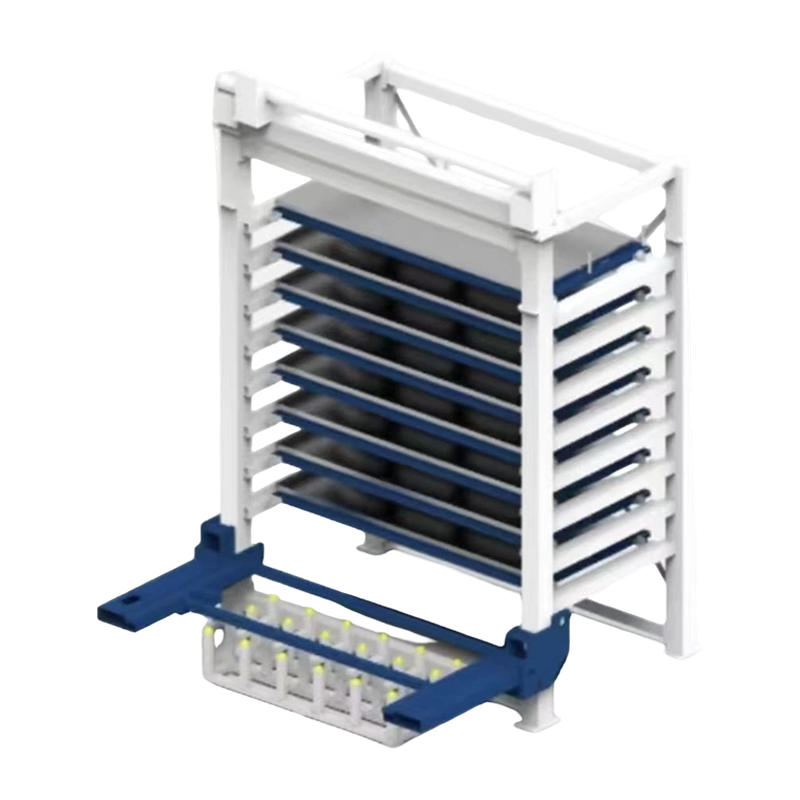
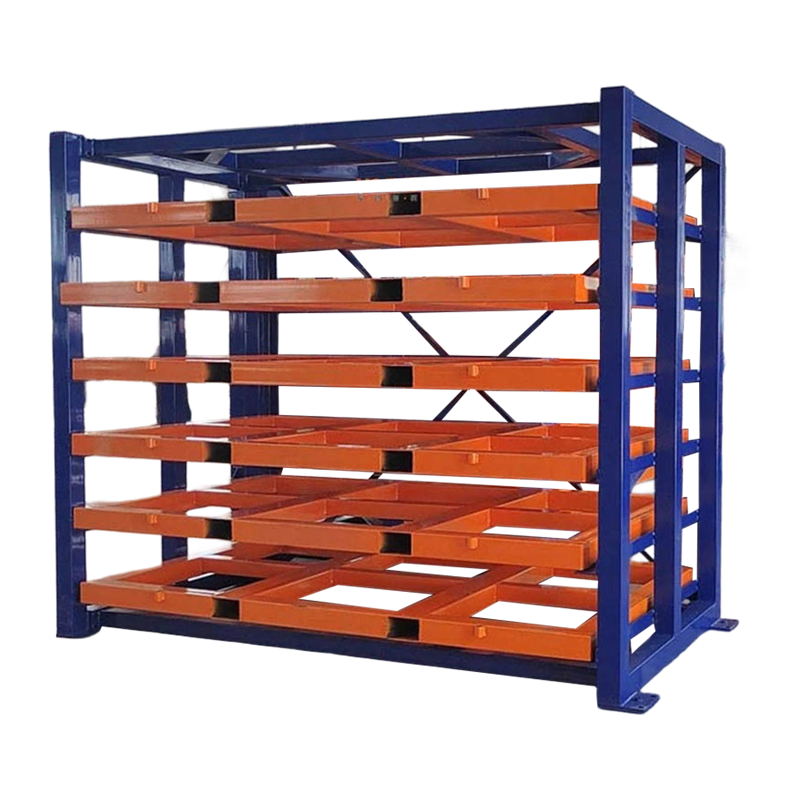
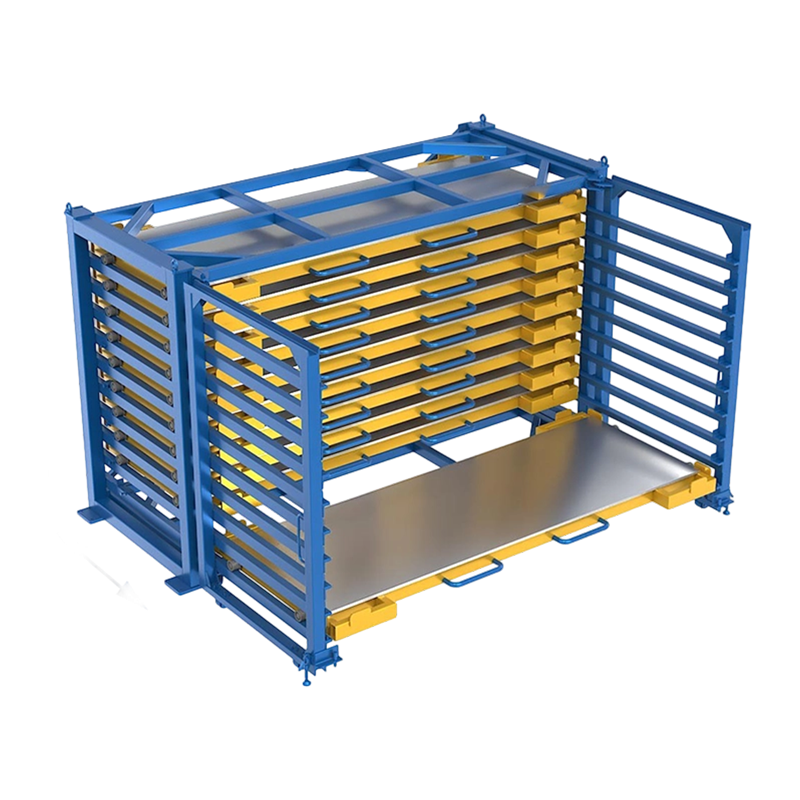
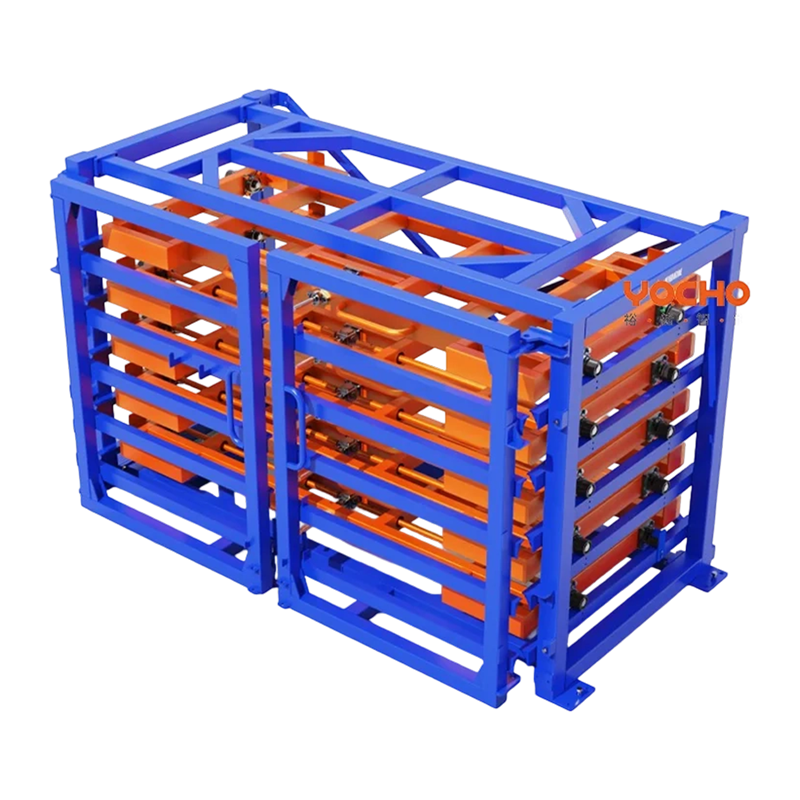
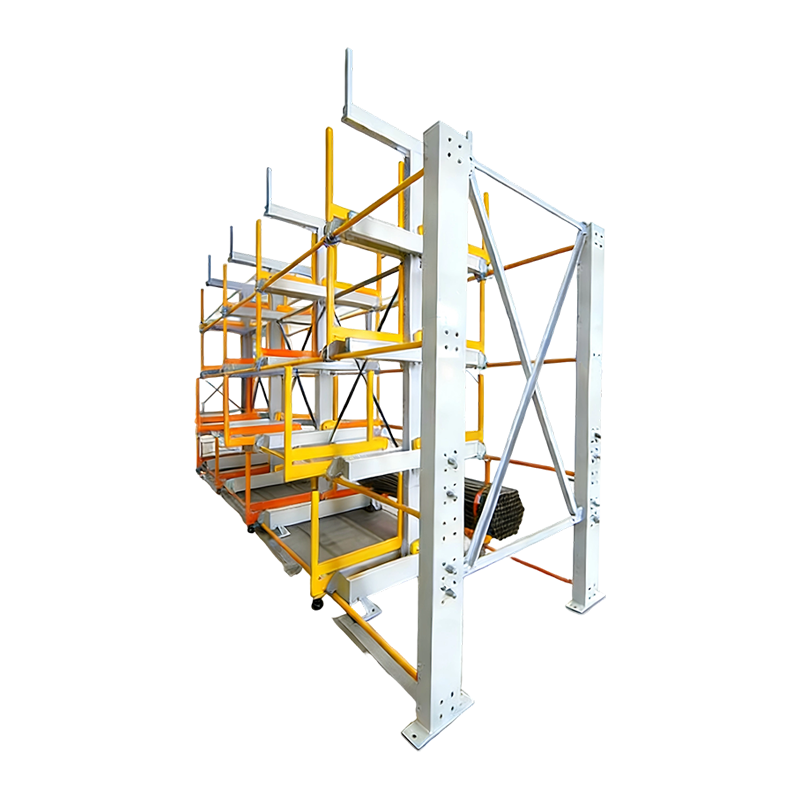
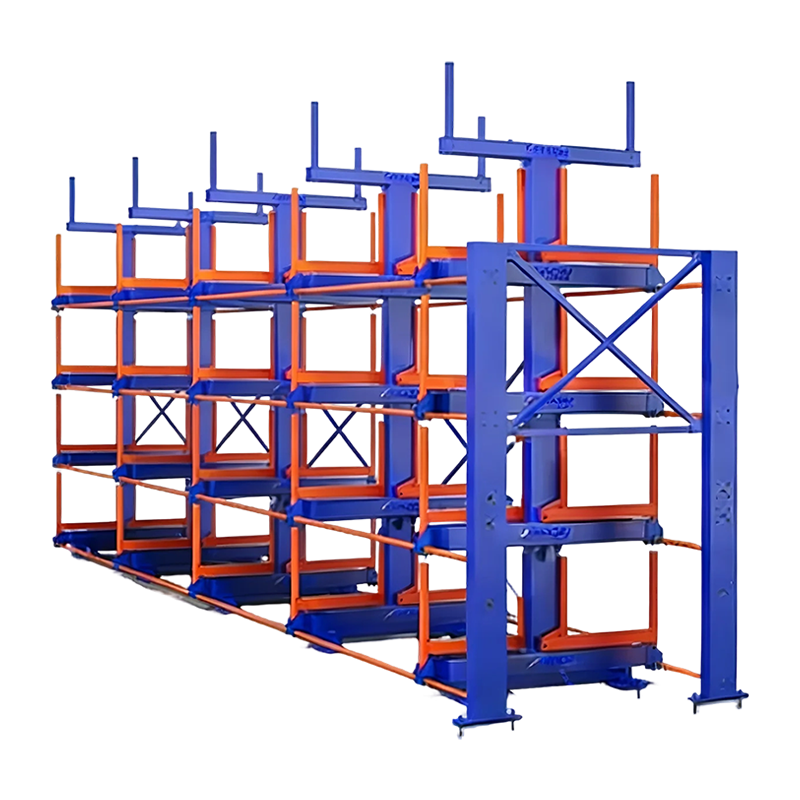
- Product specifications are specialized. For facilities handling large sheet metal, pipes, or tube stock, purpose-built intelligent storage solutions outperform conventional racking in both safety and retrieval speed.
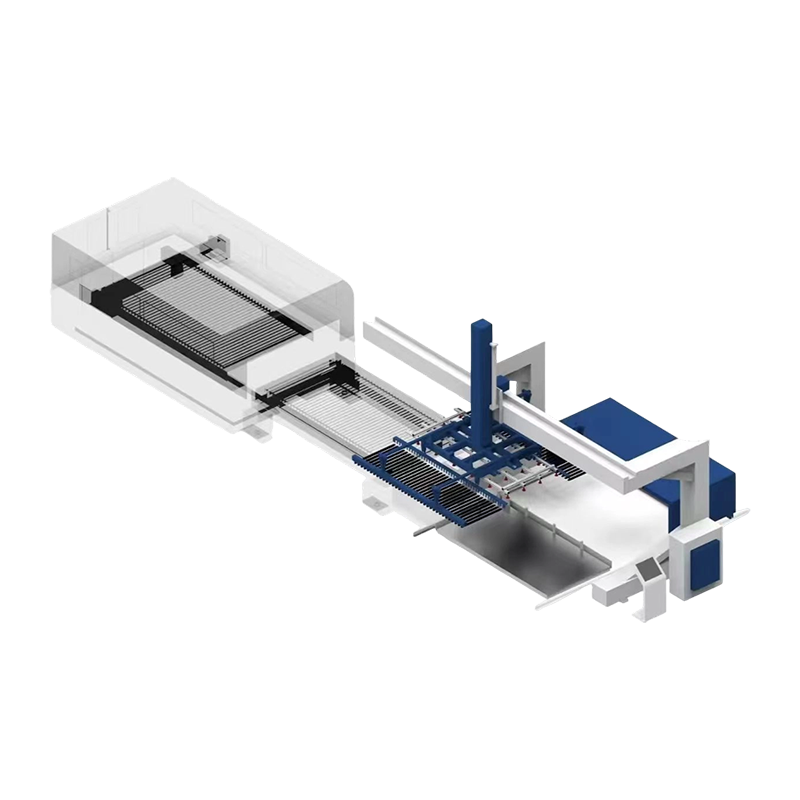
For operations in metal processing, fabrication, or sheet goods manufacturing, our automated storage systems are engineered specifically to manage the load characteristics, retrieval cycles, and space constraints of industrial environments. Facilities handling flat sheet material can also benefit from dedicated automated sheet metal storage solutions that integrate directly with laser cutting and CNC processing lines, reducing material handling time and improving production flow.
The most effective warehousing strategies often combine conventional racking for standard palletized goods with targeted automation in high-velocity or specialized storage zones. This hybrid approach preserves the cost efficiency of conventional systems while eliminating their bottlenecks at the points where automation delivers the greatest return.

If you are interested in our products, please consult us
PRODUCTS
NEWS CENTER
MOBILE TERMINAL

CONTACT US
- ADDRESS: Room 205, Office Building, Shandong Yurui Machinery Group Co., Ltd., at the intersection of Banqiao Road and Huangjin Road, Pingyi Street, Pingyi County, Linyi City, Shandong Province.
- PHONE: +86-19819101584
- EMAIL: [email protected]
Linyi Yocho Storage Intelligent Manufacturing Co.,Ltd. ALL RIGHTS RESERVED. ALL RESERVED. Warehouse Rack Manufacturers Warehouse Shelves Factory
