

 русский
 Español
 عربى
عربى
What are the applications of intelligent loading and unloading manipulators in automobile manufacturing?
 2026.01.06
 Industry News
Content
- 1 Introduction to Intelligent Loading and Unloading Manipulators
- 2 Applications in Stamping and Press Operations
- 3 Applications in Welding and Assembly Lines
- 4 Applications in Painting and Coating Processes
- 5 Applications in Material Handling and Storage
- 6 Safety and Efficiency Benefits
- 7 Comparison Table: Human vs Manipulator Loading
- 8 Conclusion
Introduction to Intelligent Loading and Unloading Manipulators
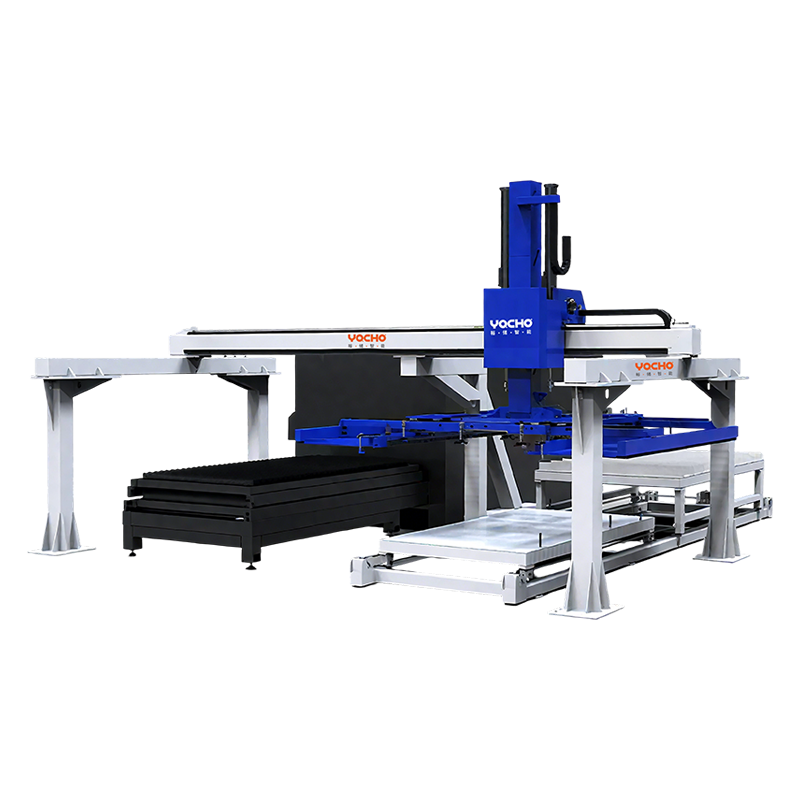
Intelligent loading and unloading manipulators are advanced robotic systems designed to automate the handling of components, materials, and finished products in manufacturing environments. They combine precision, speed, and adaptability, making them ideal for high-volume, repetitive operations. In the automobile manufacturing industry, these manipulators significantly enhance productivity, reduce labor costs, and improve safety by performing tasks that are often dangerous or ergonomically challenging for human workers.
Automobile manufacturing involves multiple stages such as stamping, welding, painting, assembly, and final inspection. At each stage, components need to be precisely loaded and unloaded, often in high-temperature, high-speed, or hazardous environments. Intelligent manipulators equipped with sensors, programmable logic controllers (PLCs), and machine vision systems are capable of performing these operations efficiently while maintaining high precision and repeatability.
Applications in Stamping and Press Operations
In the stamping department, car body parts are formed using high-pressure presses. Intelligent loading and unloading manipulators are used to feed raw metal sheets into the presses and remove finished stamped components. Their applications include:
- Feeding blank metal sheets with precise alignment to ensure correct stamping positions.
- Removing stamped components and placing them onto conveyors or storage racks without damage.
- Handling hot or sharp-edged metal parts safely, reducing the risk of injury to human workers.
- Integrating with press automation systems to maintain high production throughput.
Applications in Welding and Assembly Lines
During welding and assembly, precise placement of components is critical to ensure quality and structural integrity. Intelligent manipulators facilitate:
- Loading car frames or panels onto welding jigs, ensuring exact positioning for automated welding robots.
- Transporting partially assembled subassemblies from one station to another to maintain continuous workflow.
- Assisting operators in ergonomically challenging tasks, reducing fatigue and injury risk.
- Synchronizing with assembly robots to ensure simultaneous loading and welding, improving overall efficiency.
Applications in Painting and Coating Processes
Automobile painting requires precise handling to avoid surface defects such as scratches or smudges. Intelligent loading and unloading manipulators provide:
- Transporting car bodies into paint booths with minimal human intervention, reducing contamination risks.
- Loading and unloading parts for coating operations such as primer, base coat, and clear coat.
- Handling high-temperature or solvent-exposed environments safely, which would be hazardous for human operators.
Applications in Material Handling and Storage
In addition to direct manufacturing tasks, intelligent loading and unloading manipulators are widely used for material handling and storage in automotive plants. Their capabilities include:
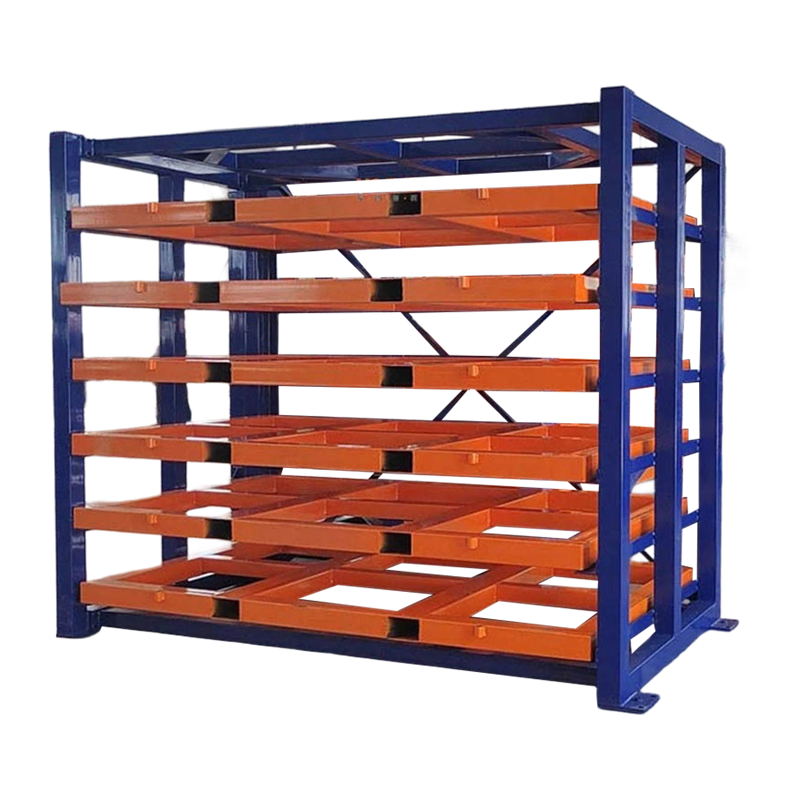
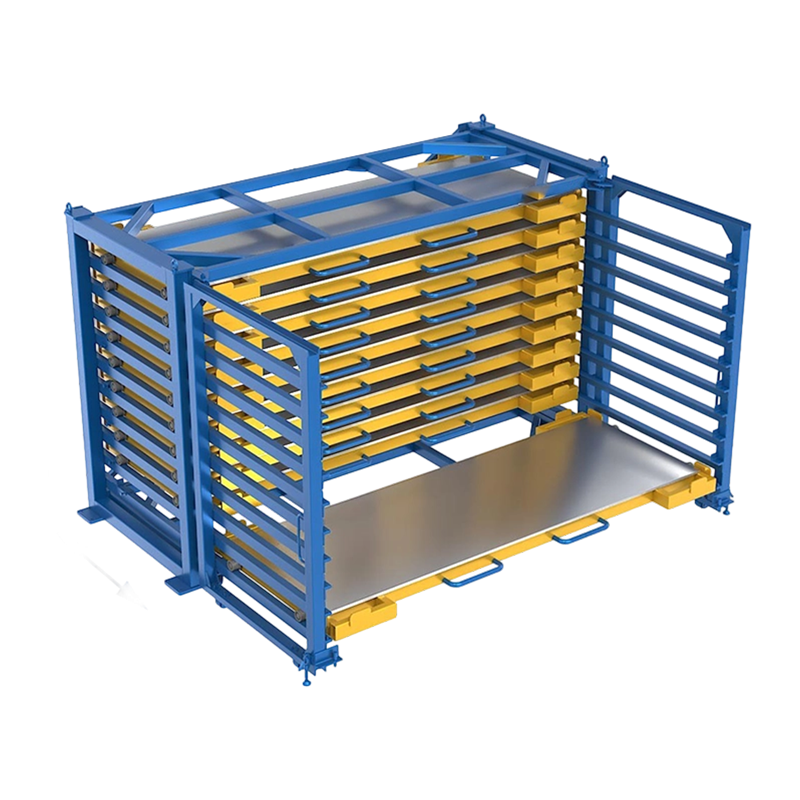
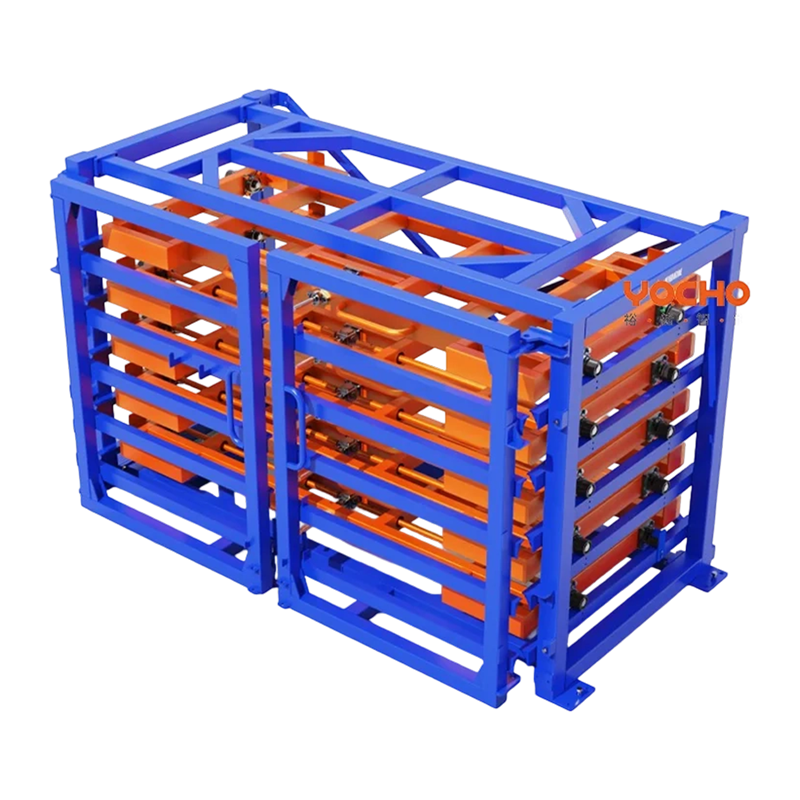
- Loading heavy or bulky components onto conveyors, racks, or automated guided vehicles (AGVs).
- Unloading finished parts or assemblies for packaging, inspection, or shipping.
- Integrating with warehouse management systems for real-time tracking and inventory optimization.
Safety and Efficiency Benefits
The adoption of intelligent loading and unloading manipulators brings multiple safety and efficiency advantages:
- **Reduced Workplace Injuries:** Heavy lifting, repetitive motion, and exposure to hazardous conditions are minimized.
- **Increased Production Speed:** High-speed, precise handling reduces cycle times in stamping, welding, painting, and assembly.
- **Consistent Quality:** Accurate placement prevents misalignment, scratches, or damage, improving product reliability.
- **Flexibility:** Programmable systems can adapt to different vehicle models or part sizes without extensive reconfiguration.
Comparison Table: Human vs Manipulator Loading
| Feature | Human Operator | Intelligent Manipulator |
| Precision | Moderate | High |
| Safety | Low in hazardous tasks | High |
| Efficiency | Moderate | High, continuous |
| Flexibility | Limited | Programmable |
| Fatigue | High | None |
Conclusion
Intelligent loading and unloading manipulators play a critical role in automobile manufacturing by automating material handling, assembly, and processing operations. They enhance efficiency, improve product quality, and reduce workplace hazards, making them indispensable for modern, high-volume production lines. From stamping and welding to painting and storage, these manipulators streamline workflows and provide a competitive advantage in automotive manufacturing.
By integrating manipulators with advanced control systems, sensors, and vision technologies, manufacturers can optimize processes for different vehicle models, improve safety, and increase throughput. Intelligent loading and unloading manipulators are therefore a cornerstone of smart, automated, and efficient automobile production.

If you are interested in our products, please consult us
PRODUCTS
NEWS CENTER
MOBILE TERMINAL

CONTACT US
- ADDRESS: Room 205, Office Building, Shandong Yurui Machinery Group Co., Ltd., at the intersection of Banqiao Road and Huangjin Road, Pingyi Street, Pingyi County, Linyi City, Shandong Province.
- PHONE: +86-19819101584
- EMAIL: [email protected]
Linyi Yocho Storage Intelligent Manufacturing Co.,Ltd. ALL RIGHTS RESERVED. ALL RESERVED. Warehouse Rack Manufacturers Warehouse Shelves Factory
