

 русский
 Español
 عربى
عربى
Can the Long Material Storage Rack store heavy materials?
 2025.10.01
 Industry News
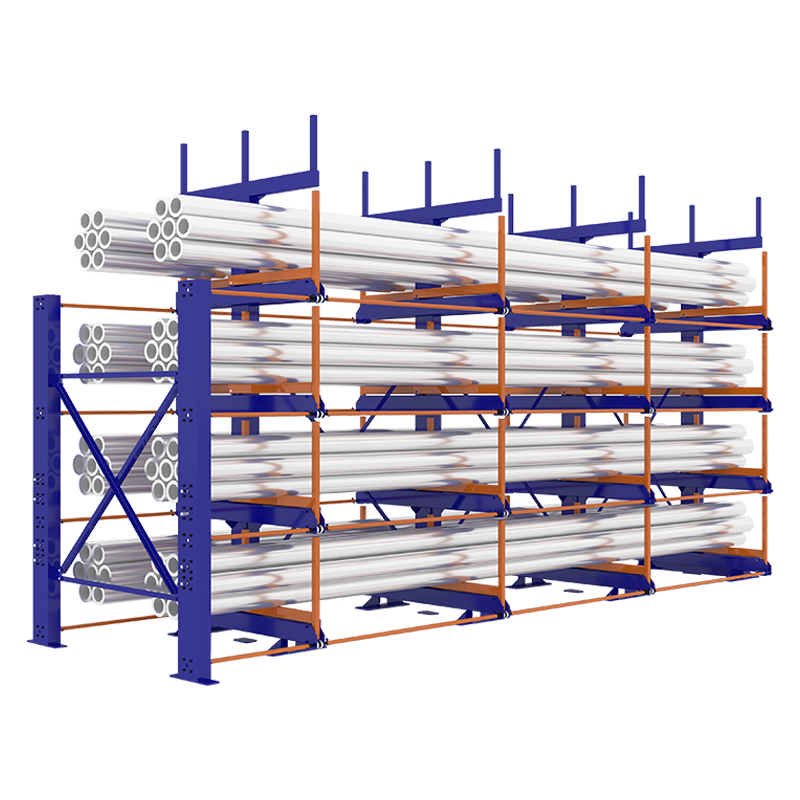
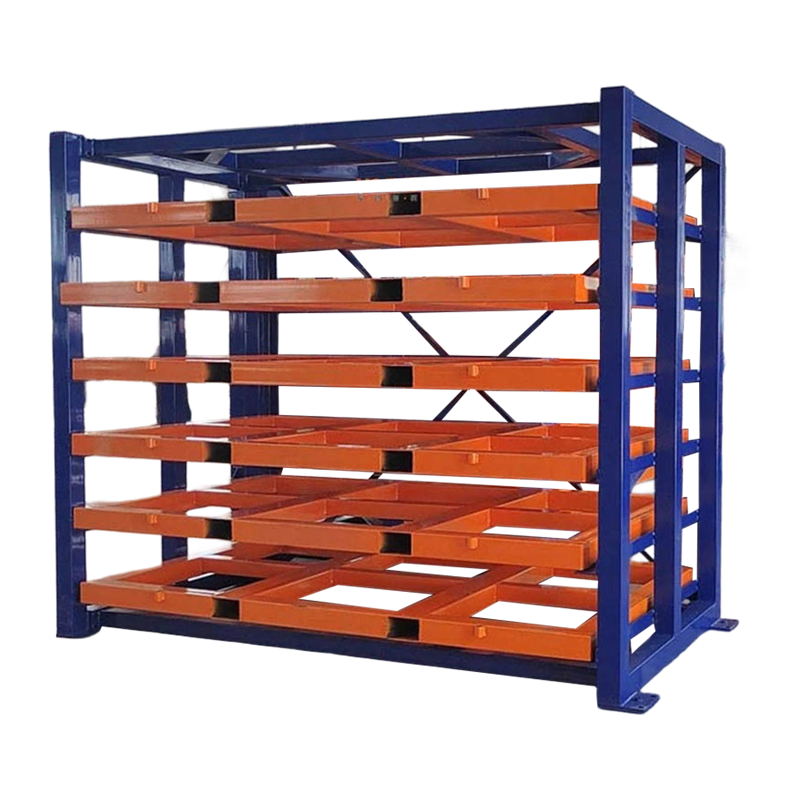
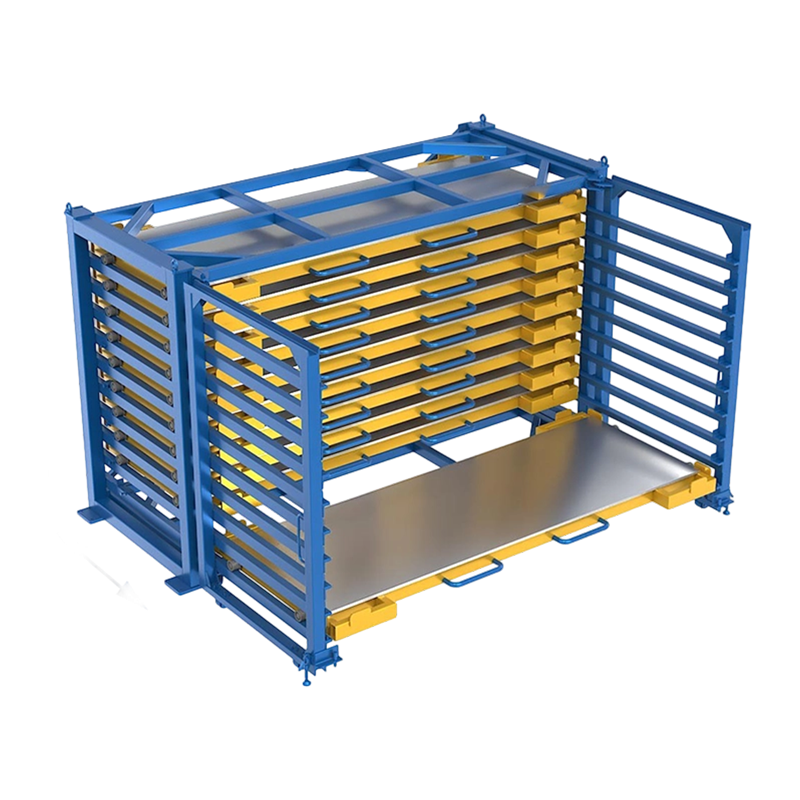
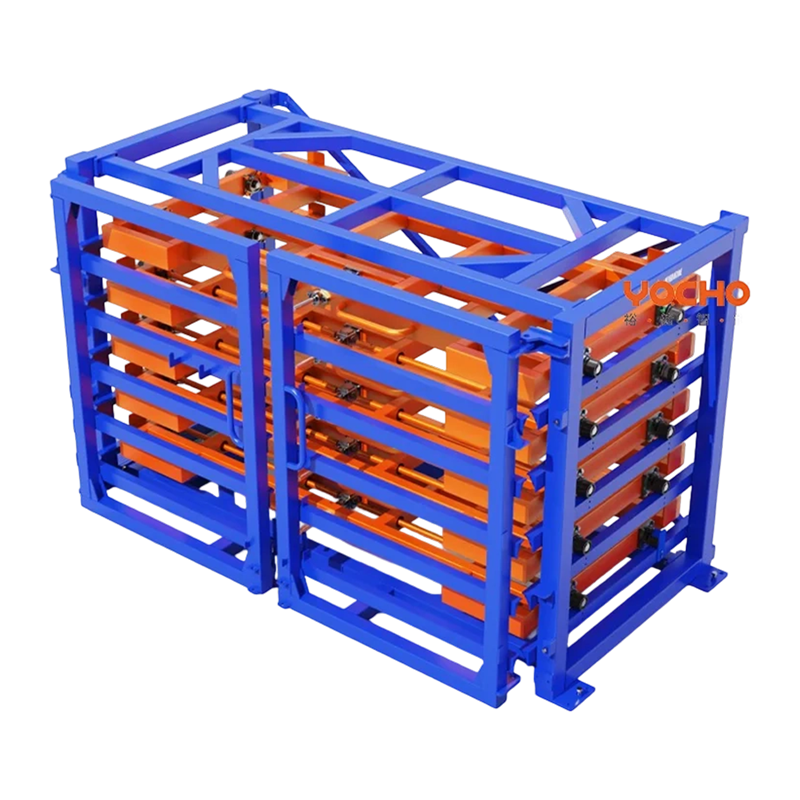
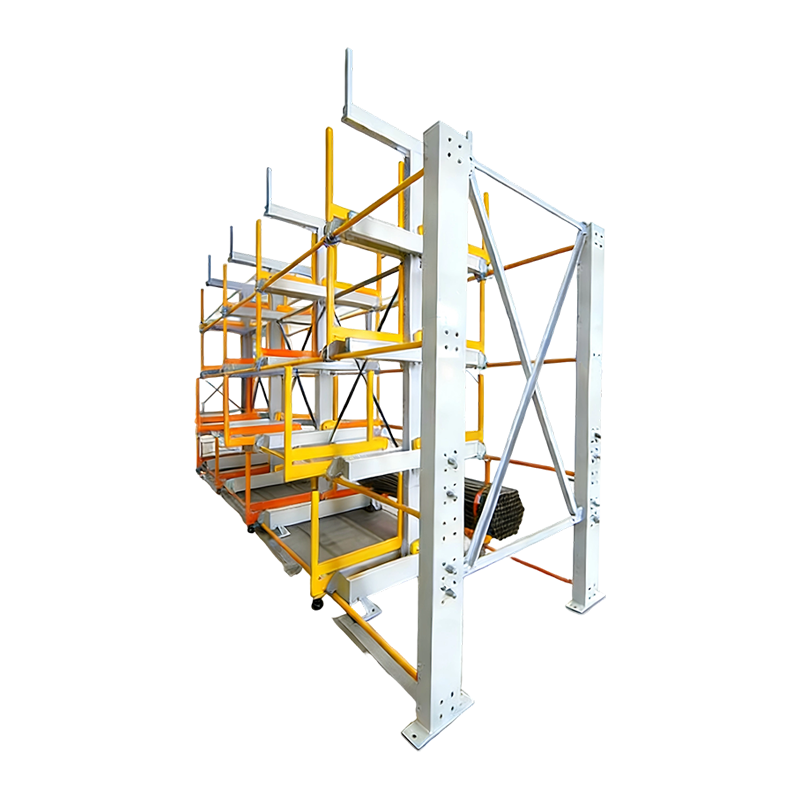
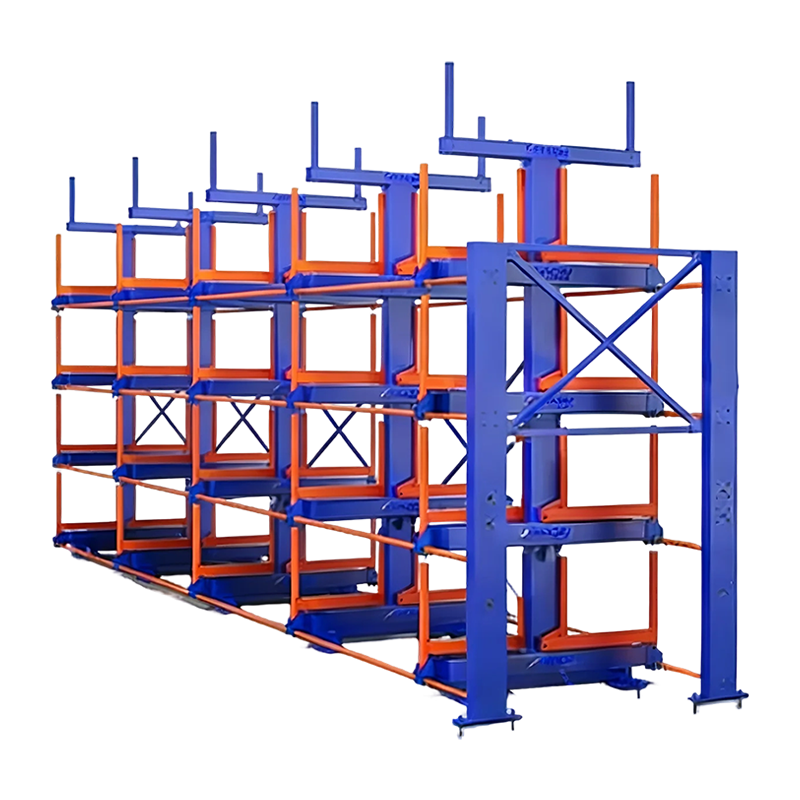
Long material storage racks are widely used in industrial warehouses, factories, workshops, and construction sites to store bulky and elongated items such as steel bars, pipes, lumber, aluminum profiles, and plastic rods. One of the most frequently asked questions about these racks is whether they are capable of handling heavy materials safely and efficiently. The answer depends on design, material quality, installation, and load management. In this article, we will explore the factors that determine whether a long material storage rack can store heavy items and how to optimize its use.
Content
1. Structural Design and Load Capacity
The ability of a storage rack to hold heavy materials primarily depends on its structural design. Key design features include:
- Beam and frame strength: Racks designed for heavy-duty applications often have reinforced steel beams and upright frames.
- Shelf depth and support spacing: Deeper shelves and shorter spans between supports reduce bending and deflection under weight.
- Cantilever arms: Many long material racks use cantilever arms that extend from vertical columns to support long items. Heavier materials require stronger, thicker arms with proper bracing.
Manufacturers typically provide maximum load ratings per arm or per section. Choosing a rack with adequate specifications ensures it can safely store heavy materials without risk of collapse.
2. Material Quality and Durability
Long material storage racks are usually constructed from high-strength steel or sometimes aluminum for lighter applications. Steel racks designed for heavy loads often feature:
- High tensile strength to resist bending.
- Powder-coated or galvanized surfaces for corrosion resistance, especially in industrial or outdoor environments.
- Reinforced cross braces for additional stability.
High-quality materials ensure the rack can withstand long-term stress without deformation or failure.
3. Proper Installation and Anchoring
Even a rack designed for heavy materials can fail if not installed correctly. Proper installation practices include:
- Anchoring vertical columns to the floor to prevent tipping.
- Using leveling plates and shims to ensure uniform load distribution.
- Ensuring all bolts, nuts, and fasteners are tightened to manufacturer specifications.
A correctly installed long material storage rack is stable, safe, and capable of handling its rated load.
4. Load Distribution and Weight Management
Safe storage of heavy materials is not only about the rack’s strength but also how the weight is distributed:
- Place the heaviest items on the lowest levels to reduce the center of gravity.
- Avoid overloading a single cantilever arm or shelf beyond its rated capacity.
- Evenly distribute weight along the length of the rack to prevent bending.
Following proper load management practices prevents accidents, prolongs rack life, and maintains structural integrity.
5. Rack Configuration and Customization
Long material storage racks come in different configurations, including single-sided, double-sided, adjustable, or modular systems. For heavy materials:
- Single-sided racks can be installed against a wall to provide additional stability.
- Double-sided racks allow access from both sides and are ideal for warehouses with forklifts.
- Adjustable arms enable users to accommodate materials of varying lengths and weights.
Customizing the rack to your specific material types and weight requirements maximizes efficiency and safety.
6. Safety Considerations for Heavy Loads
Storing heavy materials introduces additional safety risks. Key safety measures include:
- Regular inspections for bending, cracks, or loose bolts.
- Warning labels indicating maximum load per arm or section.
- Training personnel to load and unload materials safely using forklifts or hoists.
- Protective end caps or barriers to prevent items from falling.
Implementing safety practices ensures that the storage rack can handle heavy loads without accidents.
7. Industrial Applications
Heavy-duty long material racks are commonly used in:
- Steel and metal fabrication to store bars, tubes, and profiles.
- Lumber yards and woodworking for long planks, beams, and sheets.
- Pipe manufacturing to store large diameter pipes safely.
- Construction sites for scaffolding materials and structural components.
In these industries, racks are specifically engineered to support the weight and length of heavy materials while providing easy access for handling.
Conclusion
Long material storage racks are fully capable of storing heavy materials, provided the racks are designed for heavy-duty loads, constructed from high-quality materials, installed properly, and loaded safely. Factors such as structural design, material strength, load distribution, and safety practices are critical in ensuring that heavy items can be stored efficiently and securely. By selecting the right rack system and following best practices, industries can maximize storage capacity, improve workflow, and minimize the risk of accidents, making long material storage racks a reliable solution for heavy-duty storage needs.

If you are interested in our products, please consult us
PRODUCTS
NEWS CENTER
MOBILE TERMINAL

CONTACT US
- ADDRESS: Room 205, Office Building, Shandong Yurui Machinery Group Co., Ltd., at the intersection of Banqiao Road and Huangjin Road, Pingyi Street, Pingyi County, Linyi City, Shandong Province.
- PHONE: +86-19819101584
- EMAIL: [email protected]
Linyi Yocho Storage Intelligent Manufacturing Co.,Ltd. ALL RIGHTS RESERVED. ALL RESERVED. Warehouse Rack Manufacturers Warehouse Shelves Factory
