

 русский
 Español
 عربى
عربى
How secure are automated storage systems?
 2025.10.09
 Industry News
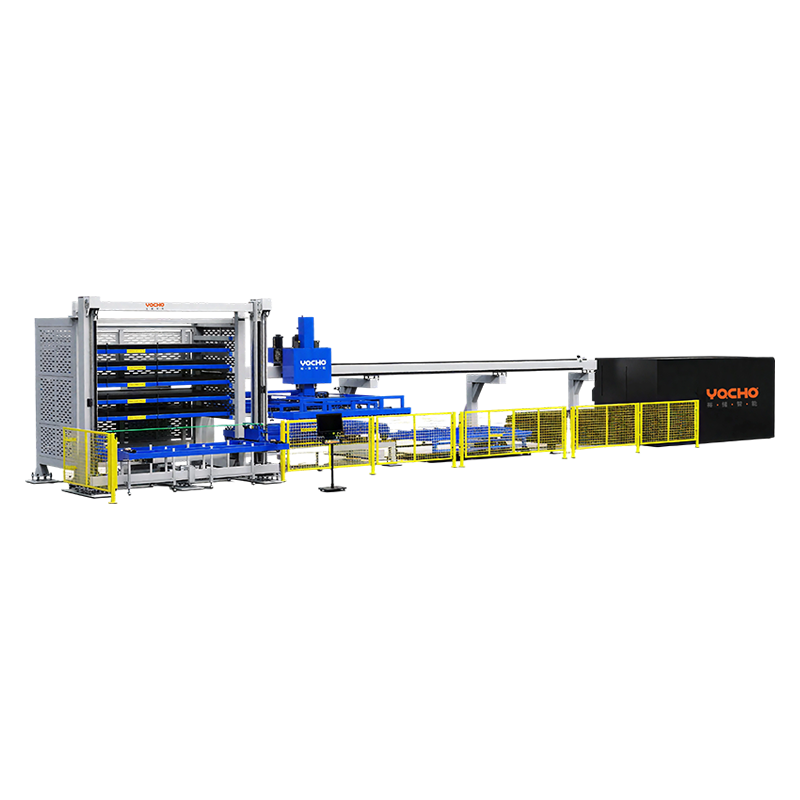
Automated storage systems (AS/RS) have revolutionized the way warehouses, distribution centers, and manufacturing facilities manage inventory. By combining advanced robotics, sensors, and software, these systems improve efficiency, reduce labor costs, and increase storage density. However, with the increasing reliance on automation, a common question arises: how secure are automated storage systems? Security in this context encompasses not only physical protection of goods but also system integrity, data safety, and operational reliability.
Content
1. Physical Security of Goods
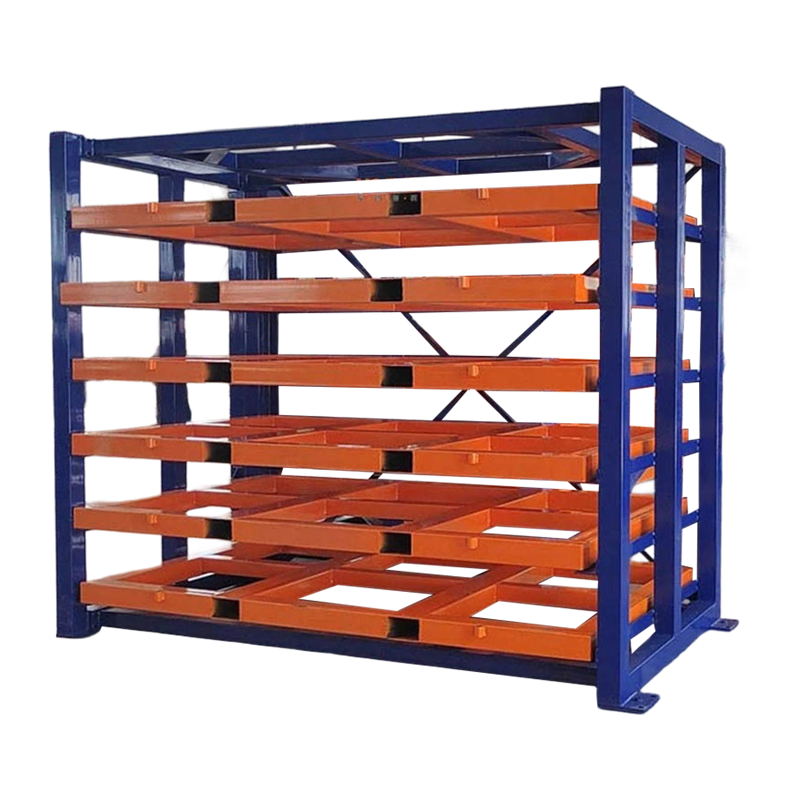
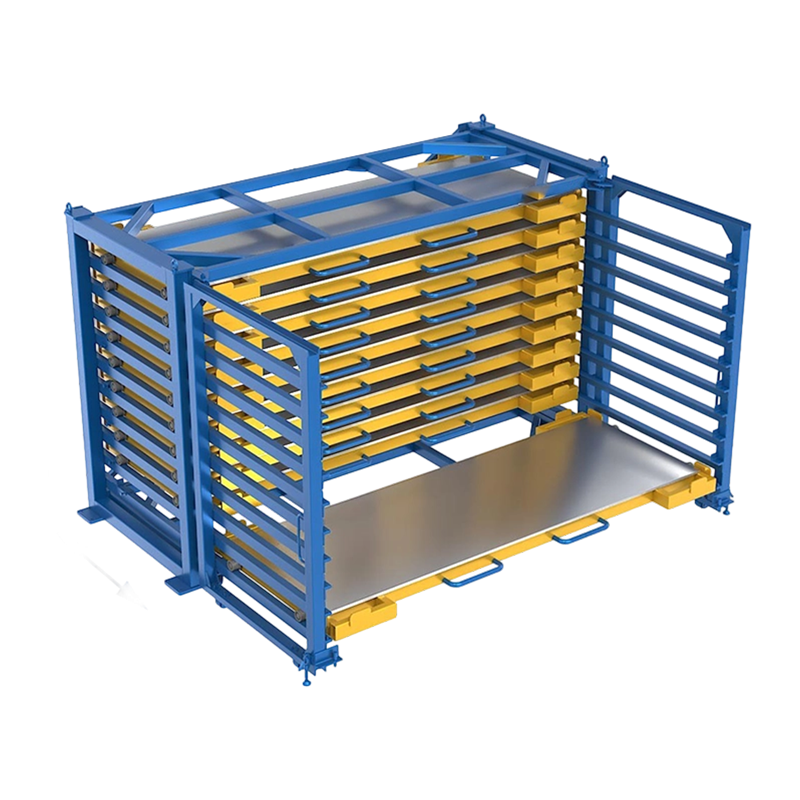
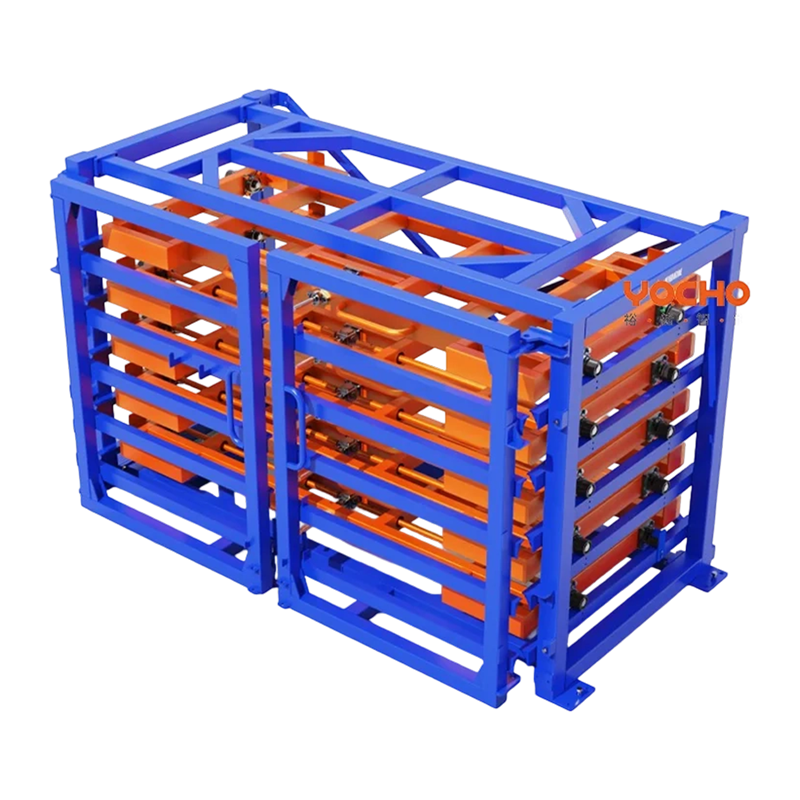
Automated storage systems enhance physical security compared to traditional manual storage. In conventional warehouses, goods are often accessible to multiple personnel, increasing the risk of theft, misplacement, or damage. In contrast, AS/RS restricts direct access to inventory. Goods are stored in racks and retrieved only by automated cranes, shuttles, or conveyors controlled by the central management system. This limited human contact reduces the risk of theft and accidental damage.
Moreover, many automated storage systems are installed in secured enclosures with restricted access points, electronic locks, and surveillance cameras. Only authorized personnel can operate the system or access the inventory, adding an extra layer of physical security. Environmental protections, such as temperature and humidity control, further ensure the safety of sensitive or high-value items.
2. System and Operational Security
The core of an AS/RS is its warehouse management software (WMS) or automated control system. These systems coordinate the movement of goods, track inventory, and generate real-time reports. Security at this level involves ensuring that the system operates reliably without errors or unauthorized interference.
Automated storage systems are equipped with fail-safes, sensors, and redundancy mechanisms to prevent accidents or misplacement. For example, collision detection systems prevent robots from crashing, and emergency stop mechanisms halt operations if a safety breach occurs. These features protect both the inventory and the personnel working nearby.
Additionally, AS/RS software typically uses role-based access controls. Only users with proper credentials can modify inventory records, adjust settings, or override automated processes. This reduces the risk of internal sabotage or unauthorized manipulation of data.
3. Cybersecurity Considerations
As warehouses become increasingly digital, cybersecurity is a critical aspect of automated storage system security. Modern AS/RS often rely on networked devices, cloud servers, and IoT-enabled sensors. Without proper protection, these systems could be vulnerable to hacking, ransomware, or data breaches.
To address these risks, leading systems implement encryption, firewalls, and secure authentication protocols. Software updates and patch management are crucial to prevent vulnerabilities. Some warehouses also deploy network segmentation, separating the AS/RS network from other corporate networks to minimize exposure to external threats. Regular cybersecurity audits and monitoring ensure that potential issues are detected and resolved promptly.
4. Data Integrity and Inventory Accuracy
Security is not just about preventing theft or unauthorized access—it also involves ensuring accurate inventory tracking. Automated storage systems use barcodes, RFID tags, or optical sensors to maintain precise records of each item. This reduces errors caused by human handling and improves traceability.
Data integrity measures, such as real-time synchronization, redundant databases, and automated reconciliation, prevent loss of information in the event of power failure or system interruption. Accurate and reliable data is a crucial aspect of overall system security because errors in inventory can lead to misplaced goods, financial losses, and operational inefficiencies.
5. Compliance with Safety and Security Standards
Many industries require warehouses to comply with security and safety standards such as ISO 9001, ISO 27001, or OSHA guidelines. Automated storage systems can be designed to meet these requirements by implementing access control, monitoring, and reporting functions. For facilities storing sensitive, hazardous, or high-value items, additional measures like fire suppression systems, climate control, and tamper detection further enhance security.
6. Limitations and Considerations
While automated storage systems are generally very secure, no system is entirely immune to risk. Mechanical failures, software glitches, or deliberate cyberattacks can still occur. To mitigate these risks, it is essential to:
- Regularly maintain and inspect mechanical components.
- Update software and security patches.
- Train staff on proper operational protocols.
- Implement backup systems and emergency response plans.
Understanding these limitations allows warehouse managers to optimize security without over-reliance on automation alone.
Conclusion
Automated storage systems offer high levels of physical, operational, and data security compared to traditional manual storage methods. Restricted human access, precise inventory tracking, system fail-safes, and cybersecurity measures collectively reduce the risk of theft, damage, and data loss. While vulnerabilities exist, careful system design, regular maintenance, and adherence to security protocols ensure that AS/RS can operate safely and reliably. For modern warehouses and distribution centers, automated storage systems not only improve efficiency but also provide a secure, controlled environment for valuable goods and sensitive information.

If you are interested in our products, please consult us
PRODUCTS
NEWS CENTER
MOBILE TERMINAL

CONTACT US
- ADDRESS: Room 205, Office Building, Shandong Yurui Machinery Group Co., Ltd., at the intersection of Banqiao Road and Huangjin Road, Pingyi Street, Pingyi County, Linyi City, Shandong Province.
- PHONE: +86-19819101584
- EMAIL: [email protected]
Linyi Yocho Storage Intelligent Manufacturing Co.,Ltd. ALL RIGHTS RESERVED. ALL RESERVED. Warehouse Rack Manufacturers Warehouse Shelves Factory
