

 русский
 Español
 عربى
عربى
How can Sheet Metal Storage Racks improve warehouse space utilization?
 2025.11.19
 Industry News
Content
- 1 Understanding the Need for Sheet Metal Storage Racks
- 2 Maximizing Vertical Space for Higher Storage Density
- 3 Improving Material Handling Efficiency
- 4 Enhancing Warehouse Safety and Reducing Damage Risks
- 5 Supporting Inventory Management and Material Categorization
- 6 Choosing the Right Sheet Metal Storage Rack for Your Facility
- 7 Conclusion: Maximizing Space Through Smart Storage Solutions
Understanding the Need for Sheet Metal Storage Racks
Warehouses that handle sheet metal face unique storage challenges due to the size, weight, and material characteristics of metal sheets. Traditional pallet racking or floor stacking is often insufficient, as it leads to wasted vertical space, difficult handling, and safety risks. Sheet metal storage racks are specifically engineered to accommodate heavy, wide, and flat materials, helping warehouses organize inventory efficiently while supporting safer and more streamlined workflows.
By providing dedicated slots or compartments, these racks prevent material deformation, reduce clutter, and create a controlled storage environment. With warehouses under constant pressure to optimize space and reduce operating costs, storage racks designed for sheet metal offer a practical and highly effective solution.
Maximizing Vertical Space for Higher Storage Density
One of the most significant benefits of sheet metal storage racks is the ability to use vertical space more effectively. Metal sheets typically occupy large floor areas when stored flat or stacked directly on the ground. This method quickly consumes valuable square footage and reduces the available space for other essential warehouse operations. By storing materials vertically in organized rack systems, facilities can dramatically increase storage density without expanding floor space.
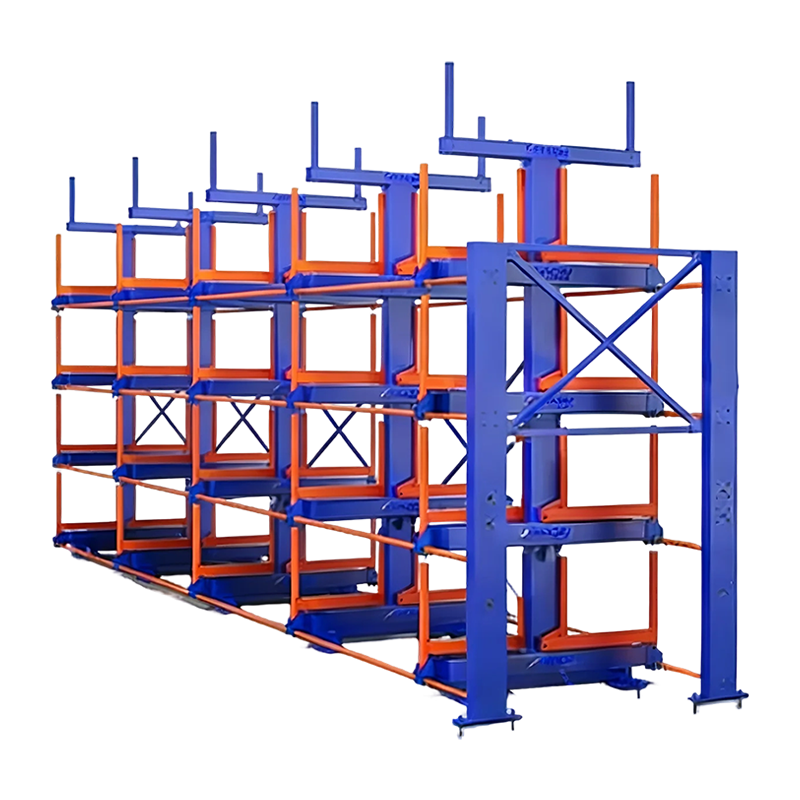
These racks can be custom-built to reach various heights, making them ideal for warehouses with tall ceilings. Multi-tier rack configurations allow stacking multiple layers of sheet metal safely and conveniently. This approach not only improves space utilization but also enables warehouses to store different sheet types—such as stainless steel, aluminum, or galvanized steel—in a compact footprint.
Advantages of Utilizing Vertical Space
- Increases storage capacity without requiring more floor area
- Reduces clutter and improves organization across work zones
- Facilitates better categorization of metal sheet types and sizes
- Improves safety by eliminating unstable floor stacks
Improving Material Handling Efficiency
Material handling is a core part of warehouse operations, especially in industries such as metal fabrication, automotive manufacturing, and construction supply. Sheet metal is heavy and awkward to lift manually, making inefficient storage a major barrier to productivity. Sheet metal storage racks streamline handling by offering structured compartments that allow forklifts or overhead cranes to access materials quickly and safely.
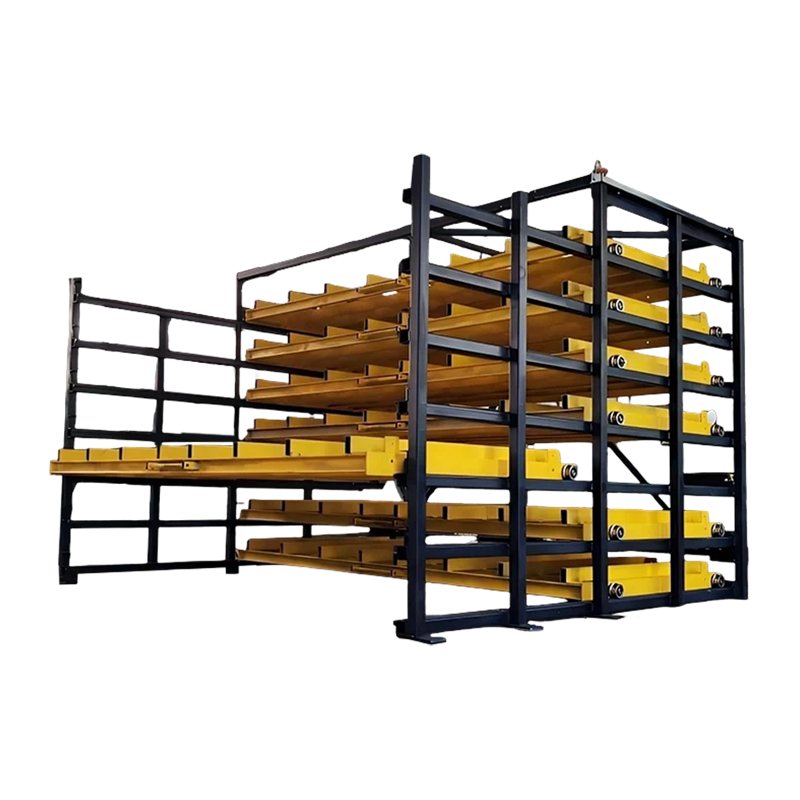
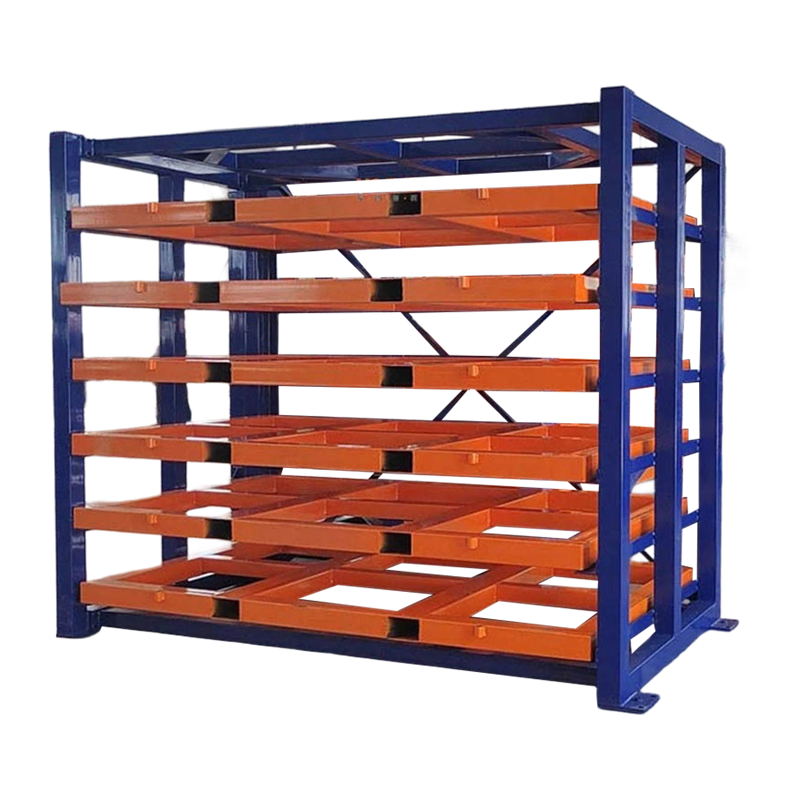
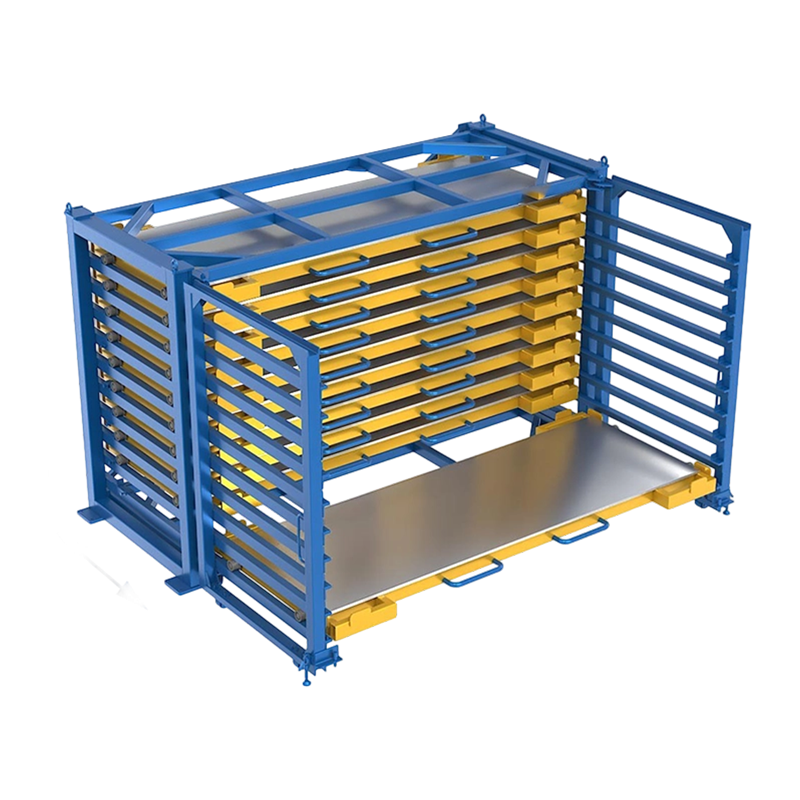
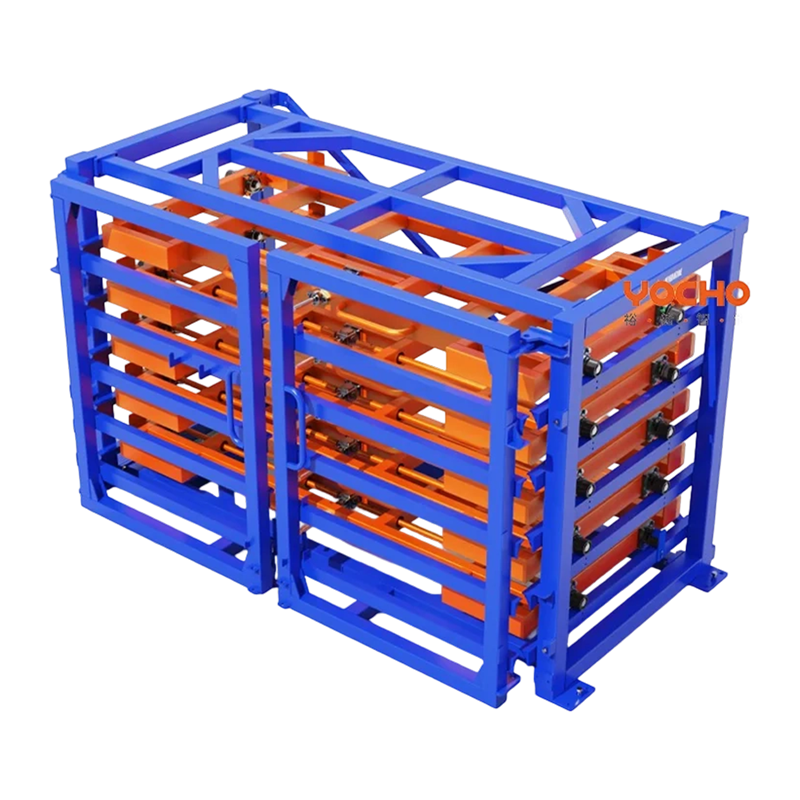
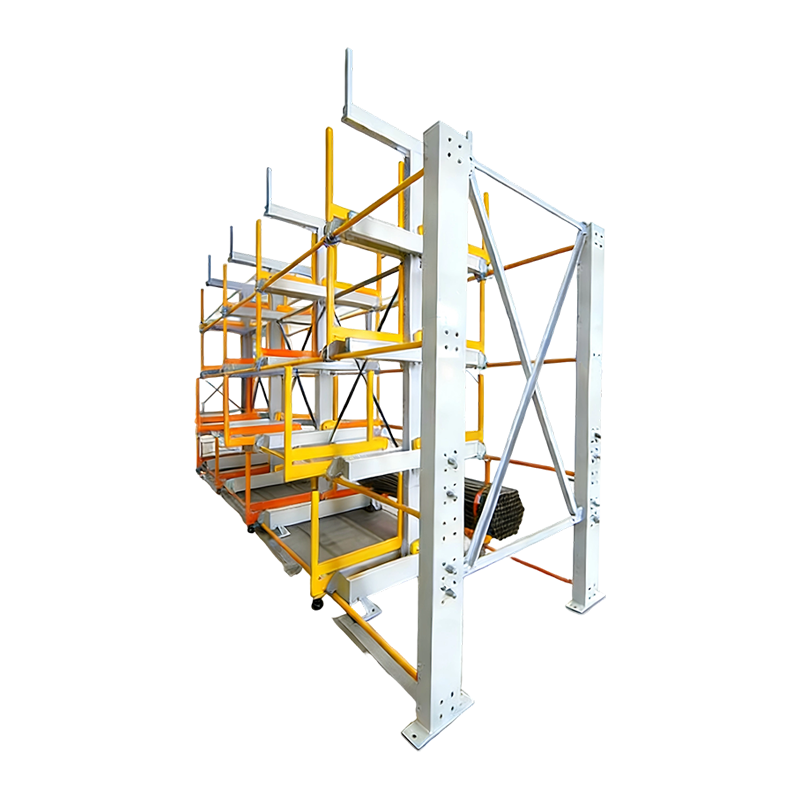
When sheets are stored in organized rack systems, operators spend less time searching for materials, reducing downtime and improving production speed. Racks also minimize the risk of material damage during handling, especially when retrieving thin or delicate sheets. Some rack systems are designed with pull-out drawers or sliding shelves, allowing easy access without needing to move entire stacks.
Material Handling Enhancements Offered by Racks
- Faster access reduces labor time and handling effort
- Pull-out shelves allow safe retrieval of heavy sheets
- Forklift-friendly design improves operational workflow
- Protects sheet surfaces from scratches and bending
Enhancing Warehouse Safety and Reducing Damage Risks
Safety is a major concern in any warehouse, and improperly stored metal sheets can pose serious hazards. Unstable stacks may collapse, causing injury or damaging expensive materials. Sheet metal storage racks provide structured support that eliminates the instability associated with floor storage. By storing sheets in secure, separated compartments, racks minimize the risk of accidental tipping or sliding.
Additionally, racks help prevent damage to materials by avoiding direct contact between sheets. They reduce the potential for scratching, warping, or moisture-related issues caused by improper storage. This level of protection increases the overall lifespan and quality of metal inventory, supporting better cost control and material reliability across production cycles.
Safety Improvements with Storage Racks
- Prevents tipping accidents caused by unstable metal sheet stacks
- Reduces manual handling, lowering risk of worker injuries
- Creates clear traffic paths for forklifts and personnel
- Improves visibility and organization for safer operations
Supporting Inventory Management and Material Categorization
Efficient inventory management is crucial for any warehouse handling a variety of sheet metals. Storage racks enable better organization by separating sheets by size, thickness, material type, or production batch. This structured layout simplifies tracking and reduces the likelihood of inventory errors, such as using the wrong material for production.
With clearly defined slots, warehouses can implement quality control processes more effectively, ensuring that materials remain traceable throughout their storage life. Racks also help streamline stock rotation by making it easier to identify older or higher-priority materials, reducing waste and improving inventory turnover rates.
Inventory Benefits of Sheet Metal Racks
| Feature | Warehouse Benefit |
| Individual Compartments | Prevents mixing of sheet sizes and types |
| Labeling Panels | Enables quick identification of stored materials |
| Adjustable Rack Levels | Accommodates changing inventory needs |
Choosing the Right Sheet Metal Storage Rack for Your Facility
Selecting the right storage rack system requires analyzing the specific needs of your warehouse. Considerations such as metal sheet dimensions, load capacity, frequency of access, and handling equipment compatibility play a major role in determining the ideal solution. Heavy-duty steel racks are preferred for large-scale industrial operations, while modular or mobile racks can serve smaller workshops that require flexible storage.
Additional features such as sliding drawers, forklift clearance, adjustable shelves, and rust-resistant coatings help improve usability and durability. Investing in a well-designed rack system ensures long-term performance, lower maintenance requirements, and superior space optimization.
Key Selection Considerations
- Metal sheet sizes, thickness, and weight requirements
- Available warehouse ceiling height and floor load limits
- Compatibility with forklifts, cranes, or automated loaders
- Durability and long-term maintenance considerations
Conclusion: Maximizing Space Through Smart Storage Solutions
Sheet metal storage racks offer a highly effective way to improve warehouse space utilization. By enabling vertical storage, enhancing material handling, improving safety, and supporting better inventory management, these racks transform cluttered storage areas into efficient, organized, and productive environments. Whether used in metal fabrication shops, logistics facilities, or manufacturing warehouses, sheet metal storage racks provide measurable benefits that contribute to long-term operational success.
As warehouses continue optimizing their layouts and adopting modern handling systems, the strategic use of specialized racks will remain essential. Investing in the right storage solution not only maximizes space but also strengthens workflow efficiency and safety standards across the entire facility.

If you are interested in our products, please consult us
PRODUCTS
NEWS CENTER
MOBILE TERMINAL

CONTACT US
- ADDRESS: Room 205, Office Building, Shandong Yurui Machinery Group Co., Ltd., at the intersection of Banqiao Road and Huangjin Road, Pingyi Street, Pingyi County, Linyi City, Shandong Province.
- PHONE: +86-19819101584
- EMAIL: [email protected]
Linyi Yocho Storage Intelligent Manufacturing Co.,Ltd. ALL RIGHTS RESERVED. ALL RESERVED. Warehouse Rack Manufacturers Warehouse Shelves Factory
