

 русский
 Español
 عربى
عربى
What types of industrial materials are suitable for storage in a Long Material Storage Rack?
 2025.11.24
 Industry News
Content
Introduction: The Role of Long Material Storage Racks
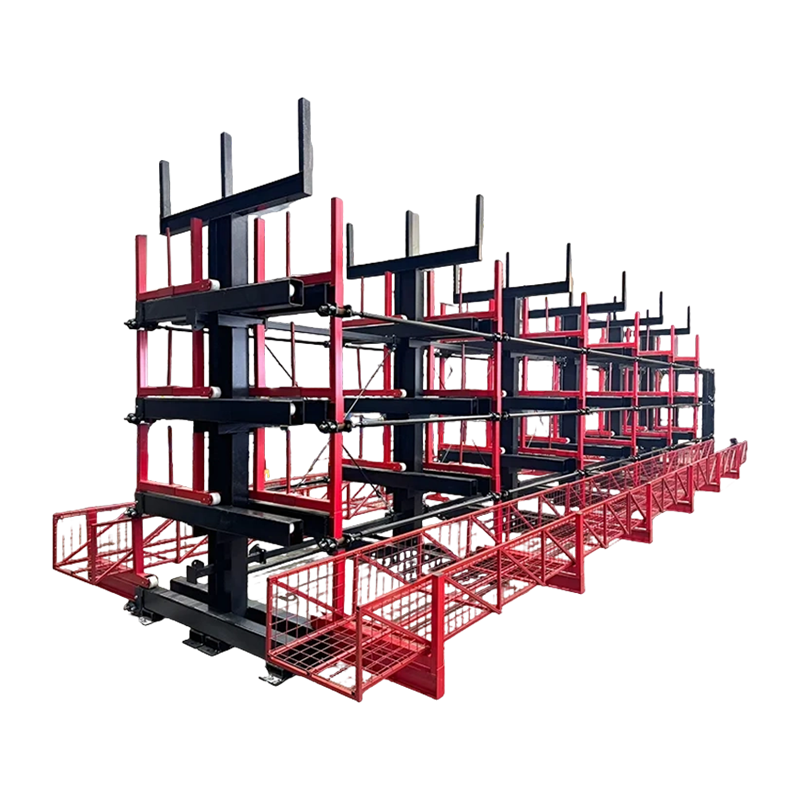
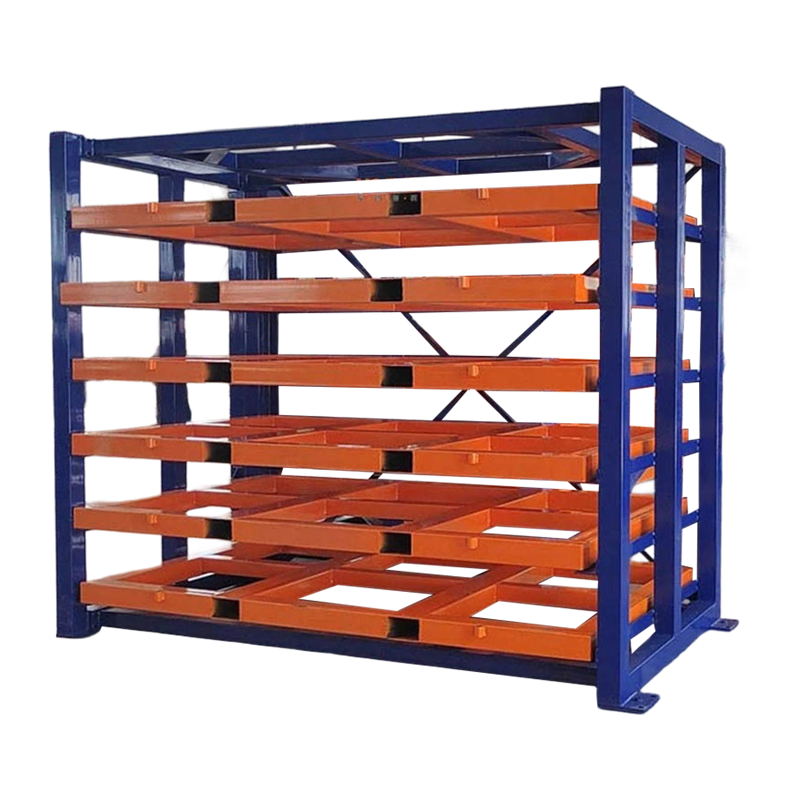
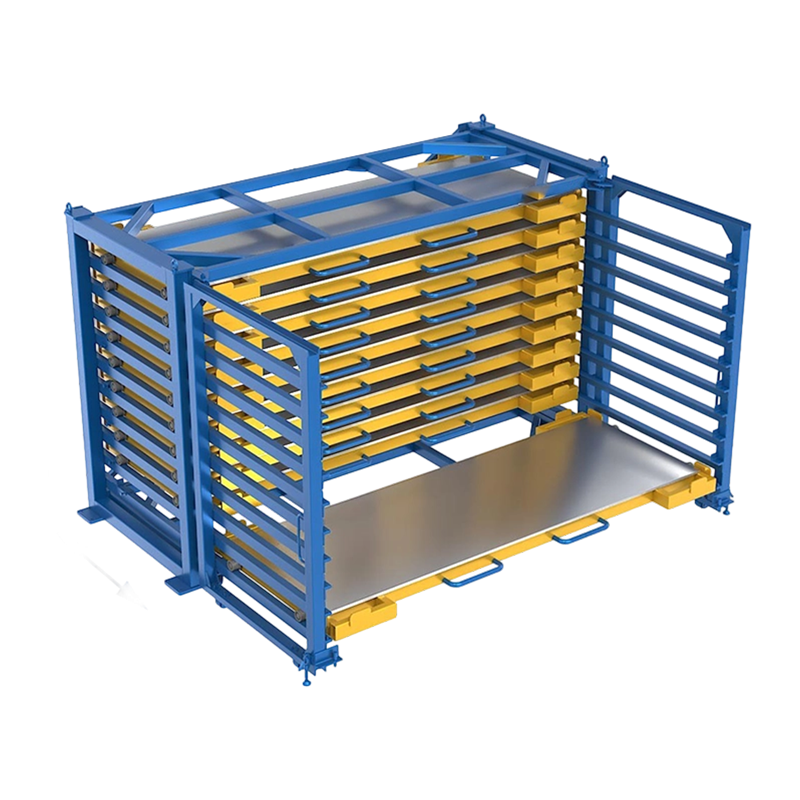
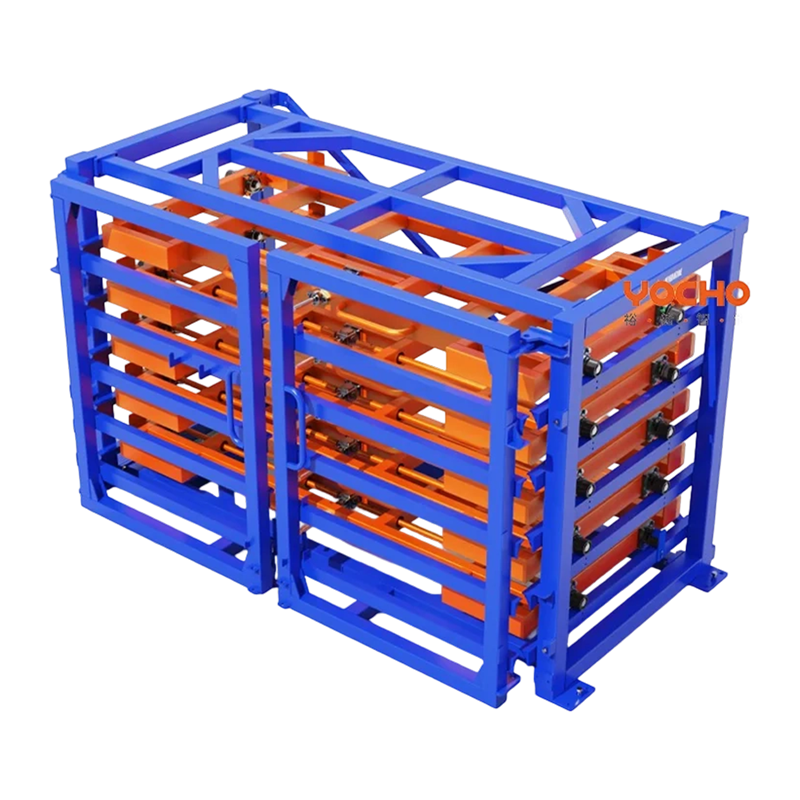
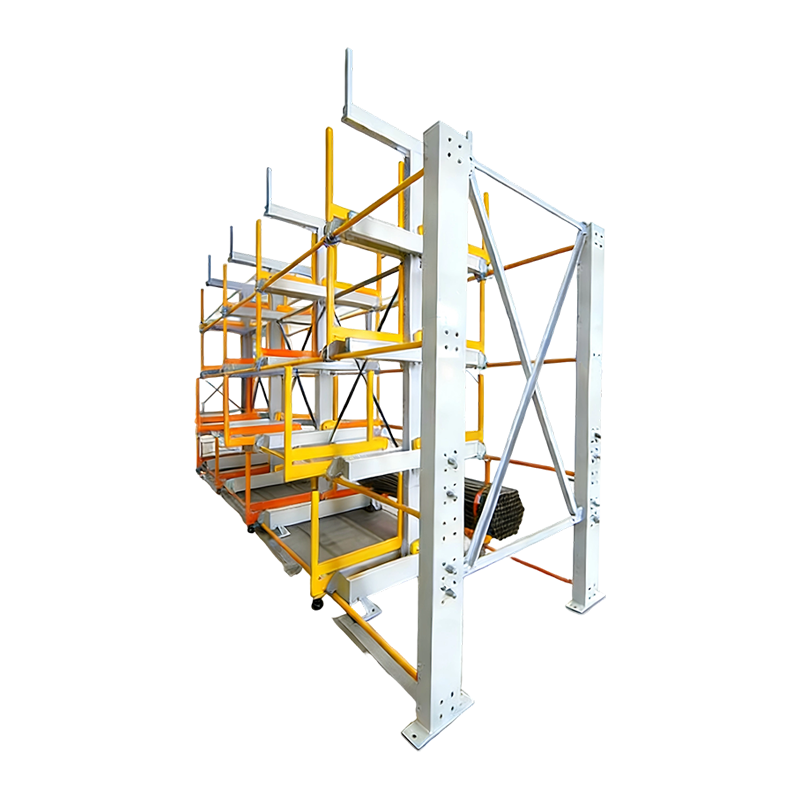
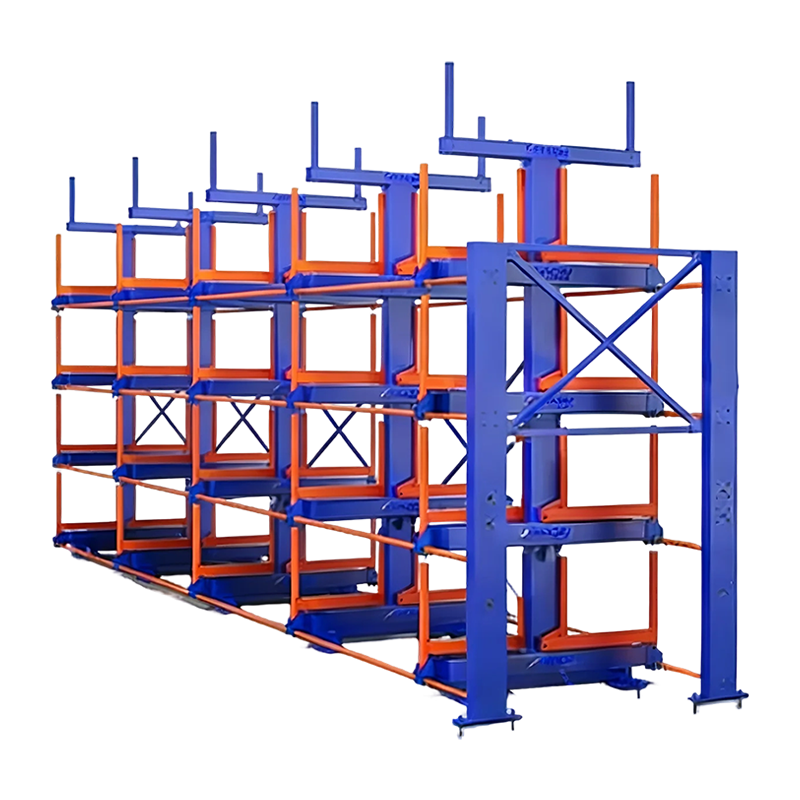
Long material storage racks are specialized warehouse solutions designed to store elongated items safely and efficiently. They are widely used in manufacturing, construction, and logistics industries. These racks help optimize space, improve accessibility, and reduce the risk of material damage. Understanding the types of materials suitable for these racks is crucial for maximizing warehouse efficiency and ensuring safety.
Metal Materials
Metals are among the most common materials stored in long material storage racks due to their length and weight. Proper storage prevents bending, warping, or surface damage while facilitating easy retrieval for industrial use.
Steel Bars and Rods
Steel bars, rods, and profiles are typically heavy and require racks with strong load-bearing capabilities. Long material storage racks designed with reinforced beams and wide horizontal support can safely hold these metals. Keeping steel off the floor prevents corrosion and simplifies inventory management.
Aluminum and Non-Ferrous Metals
Aluminum, copper, and other non-ferrous metals are lighter but can be easily scratched or dented. Racks with cushioned or coated supports help protect the surface finish. Properly segregated sections within racks prevent different metals from causing galvanic corrosion.
Wood and Lumber
Wooden planks, beams, and panels are commonly stored on long material racks in furniture manufacturing, construction, and carpentry workshops. These materials need racks that provide sufficient support along their length to prevent sagging or bending. Adjustable support arms are often used to accommodate varying lumber dimensions.
Softwood vs. Hardwood
Softwoods like pine are lighter and more flexible, allowing for longer spans between supports. Hardwoods such as oak or maple are denser and heavier, requiring closer support intervals. Proper organization and labeling help maintain material quality and improve workflow efficiency.
Plastic and Composite Materials
Plastic pipes, rods, and composite profiles are increasingly stored in long material racks due to the growing use of plastics in construction and industrial applications. These materials are lightweight but can deform under pressure if not supported evenly along their length.
PVC, PE, and PP Pipes
Plastic pipes made from PVC, PE, or PP are prone to bending under their own weight when stored horizontally. Long material racks with adjustable supports and tiered storage levels prevent sagging. Additionally, separating pipes by diameter or type reduces the risk of damage during retrieval.
Composite Profiles
Composite materials, including fiberglass or carbon fiber profiles, require gentle handling and even support to maintain structural integrity. Racks designed with padded arms or soft coatings help avoid surface abrasions and preserve material properties for high-performance applications.
Specialty Materials
Certain specialized industrial materials, such as glass rods, ceramic tubes, and long insulation panels, can also be stored in long material storage racks. These materials are fragile and require careful design considerations to ensure safety.
- Glass Rods and Panels: Require padded supports and secure side restraints to prevent breakage.
- Ceramic Tubes: Fragile and brittle, stored with minimal contact points and protective dividers.
- Insulation Panels: Lightweight but bulky; racks must support panels evenly to prevent bending and deformation.
Considerations for Effective Storage
To maximize the utility of long material storage racks, several practical considerations should be addressed:
- Weight Capacity: Ensure racks are rated for the heaviest materials in storage.
- Adjustable Support Arms: Accommodate materials of different lengths and dimensions.
- Segregation by Material Type: Prevent damage and contamination between different materials.
- Accessibility: Arrange items for easy retrieval using forklifts or manual handling.
- Environmental Protection: Coatings or coverings protect sensitive materials from moisture, corrosion, or UV exposure.
Conclusion
Long material storage racks are versatile solutions for storing elongated industrial materials, including metals, wood, plastics, composites, and specialty items. Selecting the appropriate rack type, load capacity, and support configuration ensures material integrity, improves warehouse efficiency, and enhances workplace safety. Properly organized long material storage racks help industries manage inventory more effectively, reduce waste, and streamline operations.

If you are interested in our products, please consult us
PRODUCTS
NEWS CENTER
MOBILE TERMINAL

CONTACT US
- ADDRESS: Room 205, Office Building, Shandong Yurui Machinery Group Co., Ltd., at the intersection of Banqiao Road and Huangjin Road, Pingyi Street, Pingyi County, Linyi City, Shandong Province.
- PHONE: +86-19819101584
- EMAIL: [email protected]
Linyi Yocho Storage Intelligent Manufacturing Co.,Ltd. ALL RIGHTS RESERVED. ALL RESERVED. Warehouse Rack Manufacturers Warehouse Shelves Factory
