

 русский
 Español
 عربى
عربى
Sheet Metal Storage Racks: Efficient Solutions for Storing Flat and Heavy Materials
 2025.08.27
 Industry News
Introduction
1.1 Brief overview of sheet metal storage challenges.
Sheet metal, whether in steel, aluminum, or other alloys, presents unique storage challenges for businesses. These materials are heavy, bulky, and often come in large, awkward sizes, making them difficult to handle and store safely. Improper storage can lead to wasted floor space, slow production, and increased risk of material damage and workplace injuries. The sheer weight and size of these sheets can make traditional shelving or floor stacking unsafe and inefficient, creating a chaotic work environment.
1.2 Importance of proper storage for safety and efficiency.
Implementing a well-designed storage system is crucial for a safe and efficient operation. Proper storage mitigates the risk of sheets shifting, falling, or causing strains and other injuries to employees. From an efficiency standpoint, a good system ensures that the right material is always easy to find and access. This reduces time spent searching for and retrieving stock, streamlining the workflow from raw material to finished product.
1.3 Why invest in specialized racks?
Investing in specialized sheet metal storage racks is a strategic decision that offers a significant return on investment. While generic shelving might seem like a cheaper alternative, it often falls short in meeting the specific needs of sheet metal. Specialized racks are engineered to handle the unique weight, dimensions, and handling requirements of sheet metal sheets. They provide a tailored solution that maximizes vertical space, improves organization, and enhances safety far beyond what a general-purpose rack can offer. This leads to a more organized, productive, and safer working environment.
Excellent. Let’s move on to the next section, which is the core of the article: “Types of Sheet Metal Storage Racks.”
Types of Sheet Metal Storage Racks
When it comes to storing sheet metal, one size does not fit all. The best solution depends on your specific needs, including the size and weight of your materials, the available space, and the frequency of access. Here are the most common types of specialized sheet metal storage racks.
2.1 Cantilever Racks
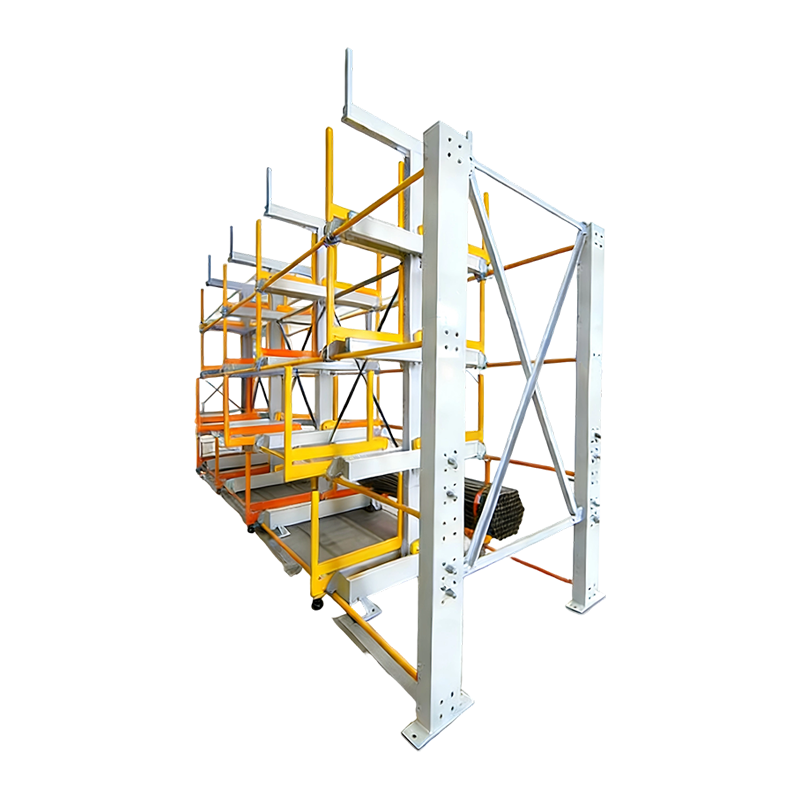
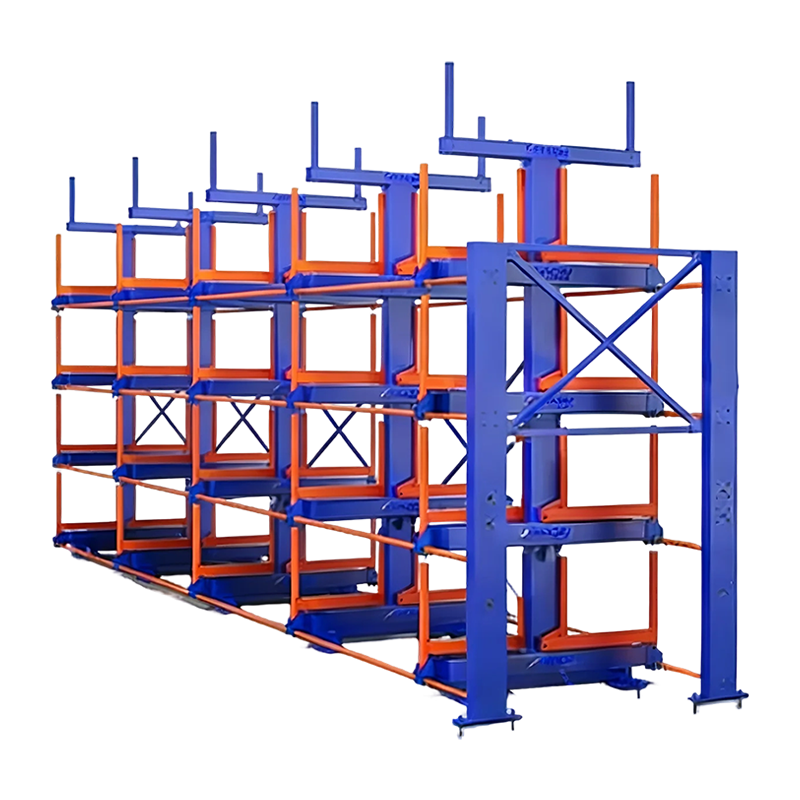
Cantilever racks are a highly versatile storage solution, especially popular for storing long, bulky items. They consist of a vertical column with horizontal arms extending outwards, creating an open and accessible storage system.
Description and Benefits: These racks are designed with no front vertical column, which allows for unobstructed access to the stored materials. This makes them ideal for storing sheets of varying lengths and sizes, as they can extend beyond the length of the arms. Their open design also facilitates easy loading and unloading using a forklift or crane.
Ideal Applications: Cantilever racks are perfect for warehouses and manufacturing facilities that handle a wide range of sheet sizes, including oversized materials. They are a great fit for storing sheet metal, steel bars, pipes, and other long, unwieldy items.
Weight Capacity and Customization: Cantilever racks are built to be robust and durable. They are available in various weight capacities, from light-duty to heavy-duty, and can be customized with adjustable arms to accommodate different material thicknesses and load requirements.
2.2 Vertical Storage Racks
Vertical storage racks, also known as A-frame or upright racks, are designed to store sheet metal on its edge. They are particularly effective for optimizing floor space and are often used for smaller to medium-sized sheets.
Description and Benefits: These racks hold sheets in an upright, nearly vertical position, similar to how records are stored in a crate. This design drastically reduces the floor space required for storage compared to horizontal stacking. It also allows for clear visibility and easy access to individual sheets without having to move a whole stack.
Space-Saving Advantages: The primary benefit of a vertical rack is its ability to use vertical space efficiently. This can free up a significant amount of floor space in your workshop or warehouse, allowing for a better flow of traffic and more room for other operations.
Considerations for Different Sheet Sizes: Vertical racks often feature dividers that can be adjusted to create different compartments. This allows you to organize sheets by material type, thickness, or size, making inventory management much simpler. They are particularly well-suited for storing less-frequently accessed sheets where floor space is at a premium.
2.3 Horizontal Storage Racks
Horizontal storage racks are the most common type of system for storing sheet metal. They hold the sheets flat, in a horizontal orientation, often in a stacked configuration.
Description and Benefits: These racks consist of a sturdy frame with multiple shelves or drawers. Sheets are placed on these shelves, one on top of the other. The key benefit of a horizontal system is the stability it provides for large, heavy sheets.
Accessibility and Organization: While horizontal stacking can sometimes make it difficult to access sheets from the middle of a stack, a well-designed horizontal rack system mitigates this issue. Modern designs often include pull-out drawers or trays that allow for easy access to any sheet in the stack without the need to lift and move others.
Best Uses for Specific Materials: Horizontal racks are ideal for storing large quantities of the same type of sheet metal. They are often used for high-volume materials that are frequently used in production, as they can be easily loaded and unloaded with a forklift. They are also excellent for protecting the surface finish of delicate materials.
2.4 Drawer Racks
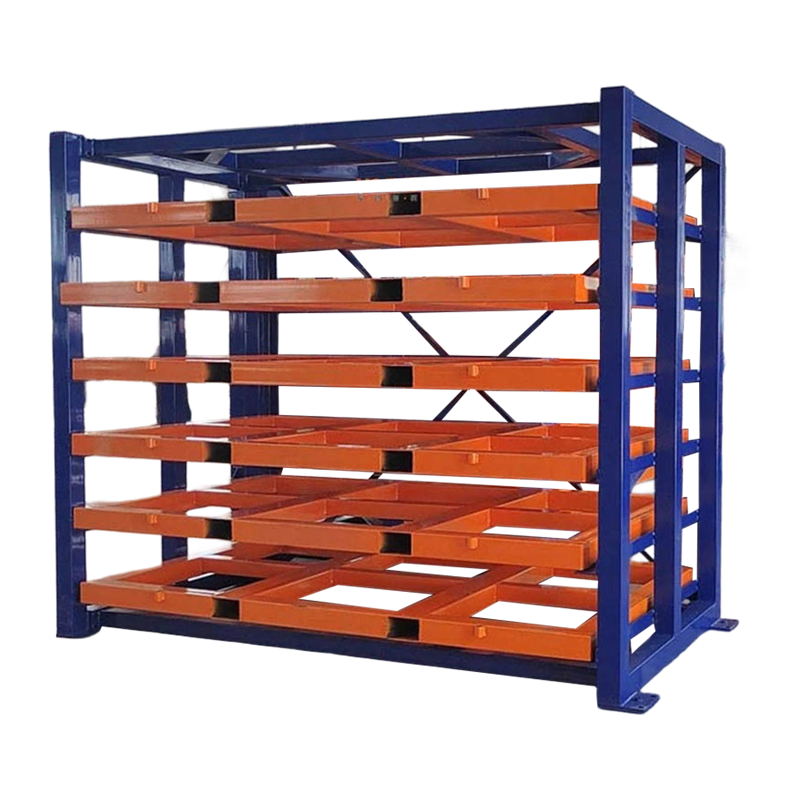
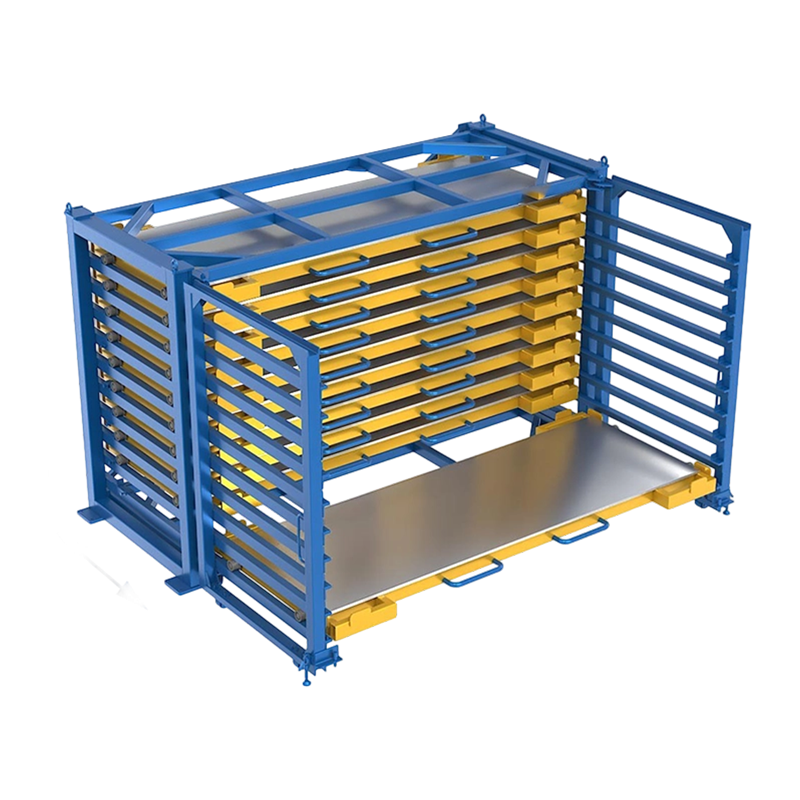
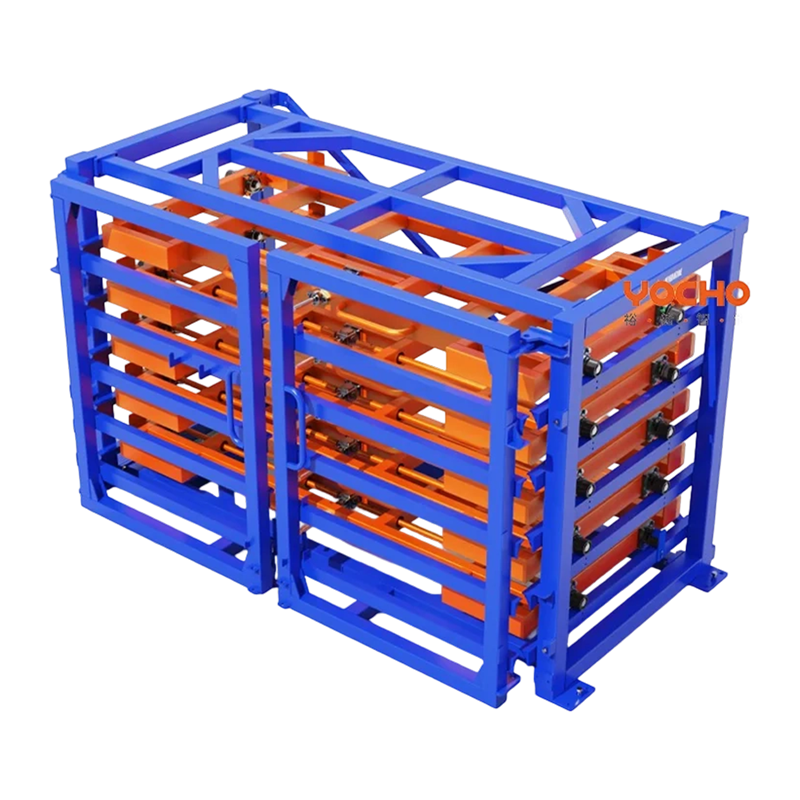
Drawer racks, also known as pull-out or tray racks, are a specialized type of horizontal storage system that prioritizes ease of access. Each level of the rack features a drawer or tray that can be pulled out, allowing a user to easily load or unload a single sheet.
Description and Benefits: This system is built like a cabinet, with multiple drawers stacked vertically. Each drawer slides out smoothly on bearings, often with a full extension feature. This design eliminates the need for a forklift to pick up a full stack to access a single sheet, as the sheets can be loaded and unloaded from the side using a vacuum lifter or a crane.
Organizing Smaller Parts: While primarily used for full sheets, many drawer rack systems include compartments or dividers that can be used to store smaller cut pieces or offcuts, keeping your workspace neat and organized.
Ease of Access: The most significant advantage of a drawer rack is unparalleled accessibility. An operator can quickly and safely pull out a single drawer to select the required sheet, saving a tremendous amount of time and effort compared to digging through a traditional stack.
2.5 Custom Racks
When standard storage solutions don’t quite fit your needs, custom racks offer a tailored solution.
Bespoke Solutions for Unique Needs: Custom racks are designed from the ground up to meet the specific dimensions, weight, and operational requirements of your facility. This could include extra-wide or tall bays, specific weight capacities, or a combination of different rack types in a single unit.
Benefits of Customized Storage: A custom rack can optimize every inch of your available space and improve workflow efficiency in ways that off-the-shelf solutions can’t. It can be designed to integrate with your existing equipment and processes, such as overhead cranes or automated systems.
Considerations When Designing Custom Racks: When designing a custom rack, it is crucial to work with an experienced manufacturer. Key considerations include the maximum load per shelf, the dimensions of the largest and smallest sheets you handle, and the method of loading and unloading the materials. The goal is to create a system that is not only effective but also safe and scalable.
Alright, let’s continue with the next section: “Factors to Consider When Choosing Sheet Metal Storage Racks.”
Factors to Consider When Choosing Sheet Metal Storage Racks
Selecting the right storage rack is more than just picking a design; it’s about making a strategic decision based on your specific operational needs. By carefully evaluating these factors, you can ensure your investment provides the best possible return in terms of safety, efficiency, and space utilization.
3.1 Weight Capacity
The most critical factor in choosing a rack is its weight capacity. Overloading a rack can lead to structural failure, which poses a serious safety risk and can result in significant material damage.
Calculating Load Requirements: Before you buy, you must accurately calculate the total weight of the sheet metal you plan to store in each bay or on each shelf. This includes the weight of the heaviest and most fully loaded stacks. Factor in a safety margin to accommodate future needs and unexpected load variations.
Ensuring Rack Strength and Stability: Always choose a rack with a certified weight capacity that exceeds your calculated load. Look for racks that are made from high-grade steel and have a robust, stable design. A well-built rack should feel solid and secure, even when fully loaded.
3.2 Space Availability
The physical layout of your facility is a primary determinant of which rack system will work best.
Measuring Available Space: Accurately measure the height, width, and depth of the area where the racks will be installed. Consider not just the floor space but also the vertical space. Some rack systems, like vertical and drawer racks, are designed to maximize height, while others, like cantilever racks, require more floor space.
Optimizing Layout for Maximum Storage: Think about the flow of materials in your facility. A well-designed layout should not impede forklift or crane access and should allow for easy movement of both materials and personnel. In a tight space, a vertical or drawer rack system that minimizes the aisle space required for loading and unloading may be the most efficient solution.
3.3 Sheet Metal Size and Thickness
Sheet metal comes in a wide variety of dimensions and thicknesses. Your storage system must be able to accommodate the materials you work with.
Matching Rack Dimensions to Sheet Sizes: Ensure the length and width of the rack’s bays or shelves are suitable for your standard sheet sizes. For example, if you typically work with 4’ x 8’ or 5’ x 10’ sheets, make sure the rack you choose can handle those dimensions without the sheets hanging over the edges, which can be a safety hazard.
Accommodating Different Material Thicknesses: If you store sheets of varying thicknesses, look for a system with adjustable shelving or dividers. This allows you to reconfigure the storage compartments as your inventory changes, ensuring each sheet is stored securely and without unnecessary space between them.
3.4 Accessibility
How you access your materials directly impacts your operational efficiency.
Ease of Loading and Unloading: Consider how you will load and unload sheets. Will you be using a forklift, an overhead crane, or a vacuum lifter? Choose a rack system that is compatible with your equipment. For example, a drawer rack is ideal for crane access, while a cantilever rack is better suited for forklifts.
Ergonomic Considerations: A good rack system should be designed with the operator in mind. This means the system should minimize the need for manual lifting, bending, and twisting. A pull-out drawer system, for instance, significantly reduces the physical strain on employees, contributing to a safer and more comfortable work environment.
3.5 Safety Features
Safety should never be an afterthought. The right racks can significantly reduce the risk of workplace accidents.
Rack Safety Standards and Certifications: Look for racks that meet industry safety standards and are certified for their stated load capacity. This ensures the rack has been rigorously tested and is built to withstand the stresses of a busy workplace.
Load Securing Mechanisms: Features like safety pins, backstops, or guardrails can prevent sheets from accidentally sliding off the rack. These simple but effective mechanisms are crucial for maintaining a secure and stable storage environment, protecting both your materials and your employees.
Here is the next section of your article, focusing on the benefits of using specialized sheet metal storage racks.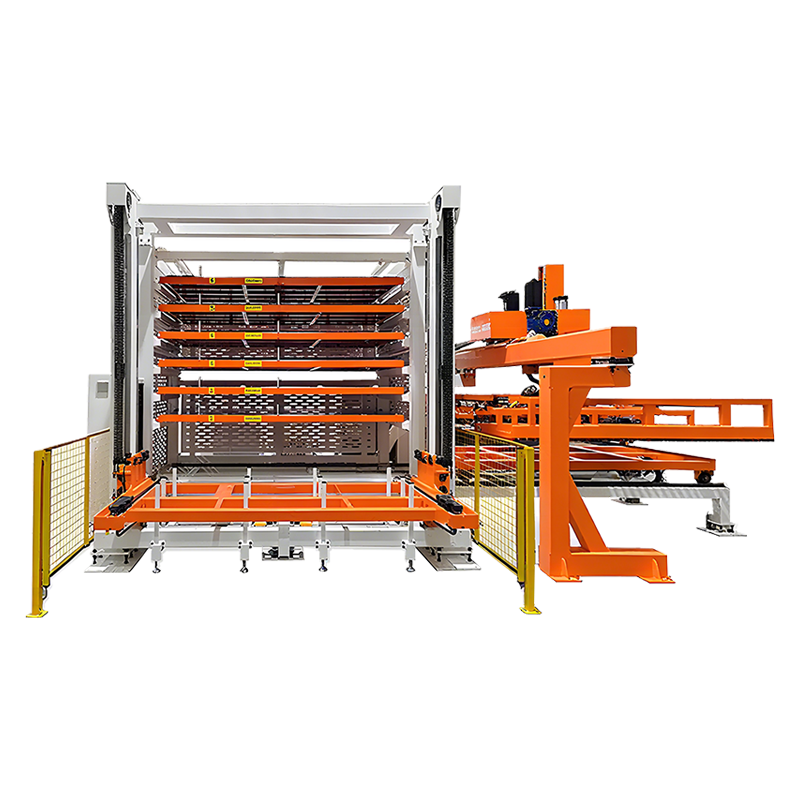
Benefits of Using Sheet Metal Storage Racks
Investing in a specialized storage system for your sheet metal goes far beyond simply organizing your inventory. The benefits ripple through every aspect of your operation, leading to a safer, more efficient, and more profitable business.
4.1 Space Optimization
One of the most immediate and significant benefits is the dramatic increase in usable space.
Maximizing Storage Capacity: By utilizing vertical space with systems like vertical or drawer racks, you can store more sheet metal in the same footprint. This effectively increases your storage capacity without requiring a larger building or expansion.
Reducing Floor Space Requirements: A well-designed rack system can free up valuable floor space that was previously occupied by cluttered stacks of sheet metal. This space can then be used for new machinery, additional workbenches, or a more efficient layout for production lines.
4.2 Improved Organization
A disorganized workshop leads to wasted time and inventory errors. Specialized racks solve this problem.
Easy Identification and Retrieval of Materials: When each type and size of sheet metal has its own designated location, employees can quickly and accurately find the material they need. This eliminates the “hunt-and-peck” process and ensures that the right material is used for the right job.
Streamlined Inventory Management: An organized system makes it easy to conduct physical inventory counts and track material usage. You can see at a glance when stock is running low, which helps in avoiding project delays and improves your purchasing decisions.
4.3 Enhanced Safety
Safety is a paramount concern in any manufacturing environment. Racks are a critical tool for risk mitigation.
Reducing Risk of Accidents and Injuries: Stacking sheet metal directly on the floor is inherently dangerous, as stacks can shift or fall. Specialized racks are engineered to securely hold heavy loads, preventing tipping and eliminating the need for employees to manually handle large, awkward, and heavy sheets. This dramatically reduces the risk of strains, crushed limbs, and other serious injuries.
Properly Securing Materials: Racks with features like load stops, safety chains, or lockable drawers ensure that materials remain stable and secure, even in high-traffic areas or during a seismic event.
4.4 Increased Efficiency
Time is money, and a well-organized storage system can save both.
Faster Access to Materials: When materials are easy to find and retrieve, your production line can move faster. Less time spent on logistics means more time spent on manufacturing, which boosts overall productivity and output.
Improved Workflow: By integrating the racks into your workflow, you can create a seamless process from storage to production. For example, a drawer rack can be placed near a laser cutter, allowing a single operator to quickly load a new sheet without any need for a forklift.
4.5 Material Protection
The cost of damaged materials can quickly add up. Proper storage protects your investment.
Preventing Damage to Sheet Metal: Stacking sheets directly on top of each other can lead to scratches, dents, or other surface damage, especially with softer materials like aluminum. Racks with individual shelves or trays prevent this damage by isolating each sheet.
Maintaining Material Quality: Storing materials off the floor and away from foot traffic protects them from dirt, moisture, and accidental damage, ensuring they are in perfect condition when they are needed for a job. This is particularly important for high-value or specialty materials.
Perfect. Here is the next section, covering the practical aspects of installation and maintenance.
Installation and Maintenance Tips
A high-quality sheet metal storage rack is a long-term investment. To ensure it performs safely and efficiently for years to come, proper installation and regular maintenance are essential.
5.1 Proper Installation Procedures
Correct installation is the foundation of a safe and stable storage system. Cutting corners here can compromise the integrity of the entire rack.
Following Manufacturer’s Instructions: Always follow the installation manual provided by the manufacturer. These instructions are specific to the rack’s design and are critical for ensuring it meets its stated load capacity and safety standards.
Using the Right Tools and Anchoring: Ensure you use the correct tools and hardware for assembly. Anchoring the rack to the floor is a non-negotiable step for stability, especially for tall or heavily loaded systems. Use the specified anchor bolts and follow the manufacturer’s guidelines for proper torque and spacing.
Professional Installation: For large or complex rack systems, consider hiring a professional installation crew. They have the experience and equipment to assemble the racks quickly, safely, and correctly, ensuring compliance with all local codes and safety regulations.
5.2 Regular Inspection and Maintenance
Even the most robust racks can wear over time. A proactive maintenance schedule can prevent minor issues from becoming major problems.
Visual Inspections: Conduct regular visual inspections of the racks. Look for any signs of damage, such as bent arms, cracked welds, or loose anchor bolts. Check for any signs of rust or corrosion that could compromise the rack’s structural integrity.
Checking for Proper Loading: Ensure employees are loading the racks according to the weight and dimension specifications. Overloading can cause damage and is a significant safety hazard. You can place clear signage on each rack indicating the maximum load capacity.
Tightening Bolts and Fasteners: Over time, vibrations and repeated loading can cause bolts and fasteners to loosen. Periodically check all connections and tighten them to the manufacturer’s recommended torque.
5.3 Extending the Lifespan of Your Racks
A little care can go a long way in preserving your investment.
Preventive Measures: Use guards or bumpers around the base of the racks to prevent damage from forklifts or other heavy equipment. Train your staff on safe loading and unloading practices to minimize accidental impacts.
Cleaning: Keep the racks clean and free of debris. Dirt and dust can accumulate and hide potential issues. A simple cleaning routine can help you spot problems before they escalate.
Prompt Repairs: If you find any damage during an inspection, address it immediately. Do not continue to use a damaged rack. Repair or replace the affected components to restore the rack to its full safety and operational capacity.
Conclusion
After exploring the different types of racks, key considerations, and myriad benefits, it’s clear that the right sheet metal storage solution is a game-changer for any operation.
6.1 Recap of the Benefits of Sheet Metal Storage Racks
From the moment you implement a specialized rack system, you unlock a cascade of benefits. You’ll see an immediate improvement in space optimization, reclaiming valuable floor area that can be used for more productive tasks. Your facility will become far more organized, with materials easily identifiable and accessible, which in turn dramatically increases efficiency. Most importantly, you will have created a much safer workplace, reducing the risk of injuries and material damage. These benefits all contribute to a more streamlined and profitable business.
6.2 Final Thoughts on Choosing the Right Solution
Choosing the right sheet metal storage rack isn’t just about finding a place to put your materials. It’s about making a strategic investment in the safety and productivity of your operation. By carefully evaluating your needs—considering factors like weight capacity, space availability, and accessibility—you can select a solution that not only solves your current storage challenges but also sets your business up for future growth. Whether you opt for a versatile cantilever rack, a space-saving vertical system, or a highly accessible drawer rack, the right choice will transform your workshop from a cluttered space into a well-oiled machine.

If you are interested in our products, please consult us
PRODUCTS
NEWS CENTER
MOBILE TERMINAL

CONTACT US
- ADDRESS: Room 205, Office Building, Shandong Yurui Machinery Group Co., Ltd., at the intersection of Banqiao Road and Huangjin Road, Pingyi Street, Pingyi County, Linyi City, Shandong Province.
- PHONE: +86-19819101584
- EMAIL: [email protected]
Linyi Yocho Storage Intelligent Manufacturing Co.,Ltd. ALL RIGHTS RESERVED. ALL RESERVED. Warehouse Rack Manufacturers Warehouse Shelves Factory
