

 русский
 Español
 عربى
عربى
Sheet Metal Storage Racks: Practical Guide to Selection, Installation, and Maintenance
 2025.10.13
 Industry News
Content
Introduction to Sheet Metal Storage Racks
Sheet metal storage racks are specialized industrial storage solutions designed to organize, protect, and optimize the handling of sheet metal in manufacturing facilities, warehouses, and workshops. Unlike conventional shelving, these racks provide robust support for heavy, flat metal sheets while ensuring easy access and safe storage. Properly designed and maintained sheet metal racks enhance workflow efficiency, reduce material damage, and improve workplace safety. This article offers a detailed guide on selecting, installing, and maintaining sheet metal storage racks.
Types of Sheet Metal Storage Racks
1. Vertical Storage Racks
Vertical storage racks are designed to hold sheet metal upright. These racks maximize floor space and allow for easy sorting by size, type, or thickness. Ideal for large-format sheets, vertical racks often include dividers, rollers, or protective padding to prevent scratching and warping. They are suitable for sheet metal that is frequently accessed or moved using forklifts or overhead cranes.
2. Horizontal Storage Racks
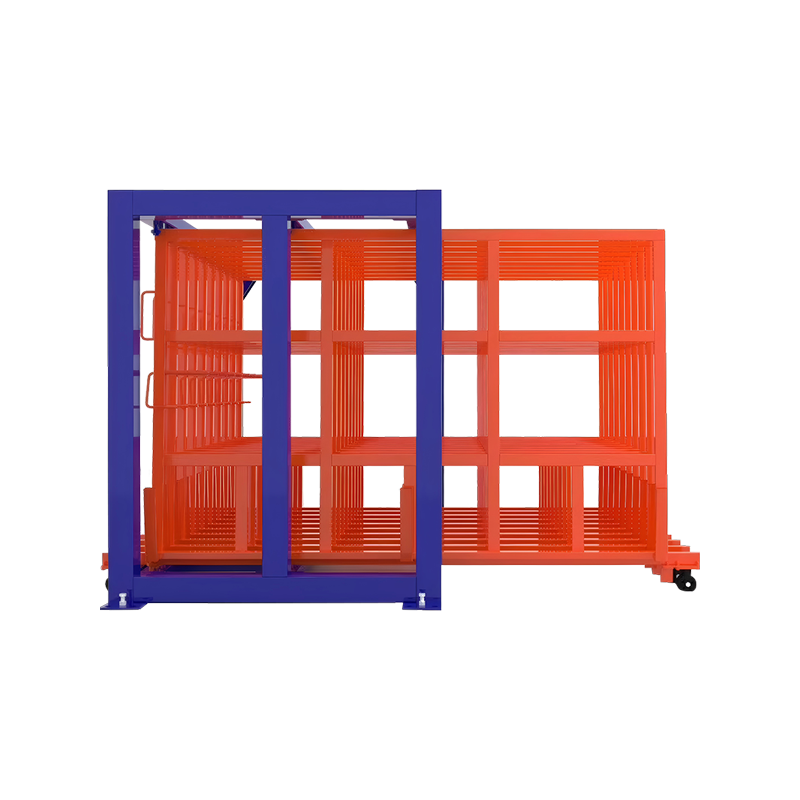
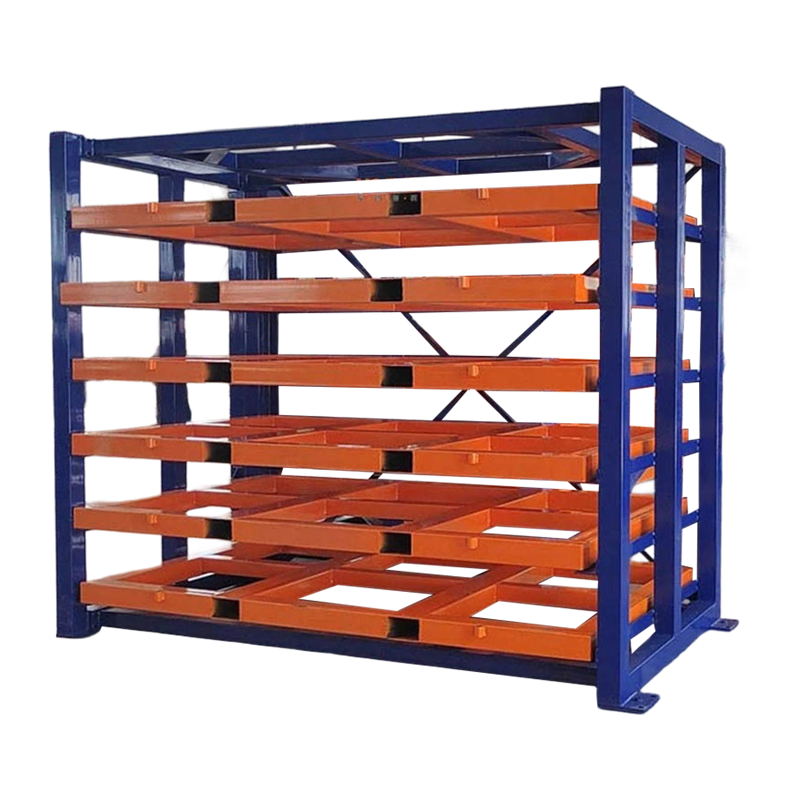
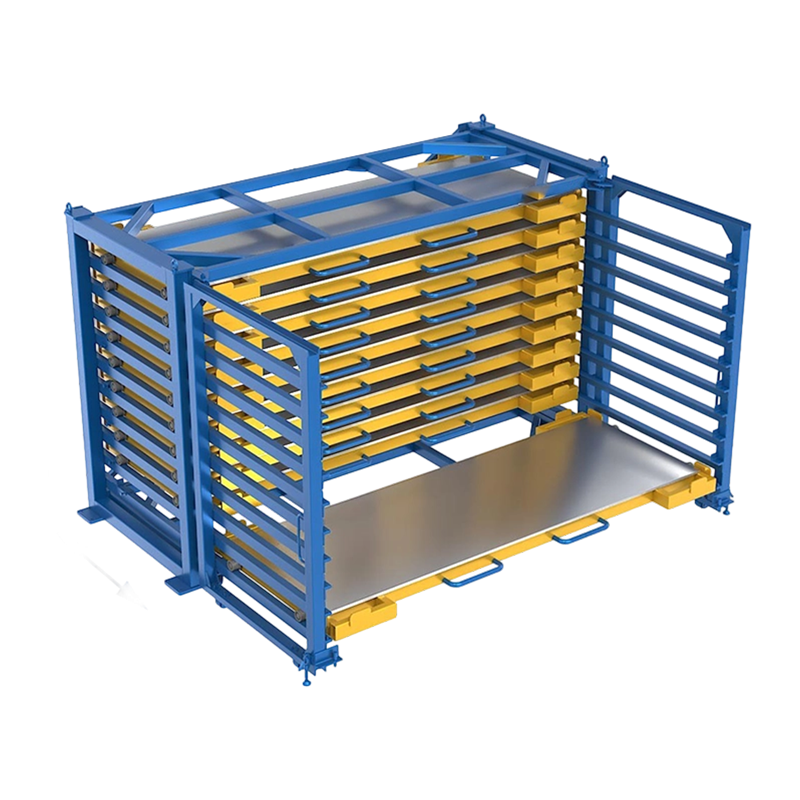
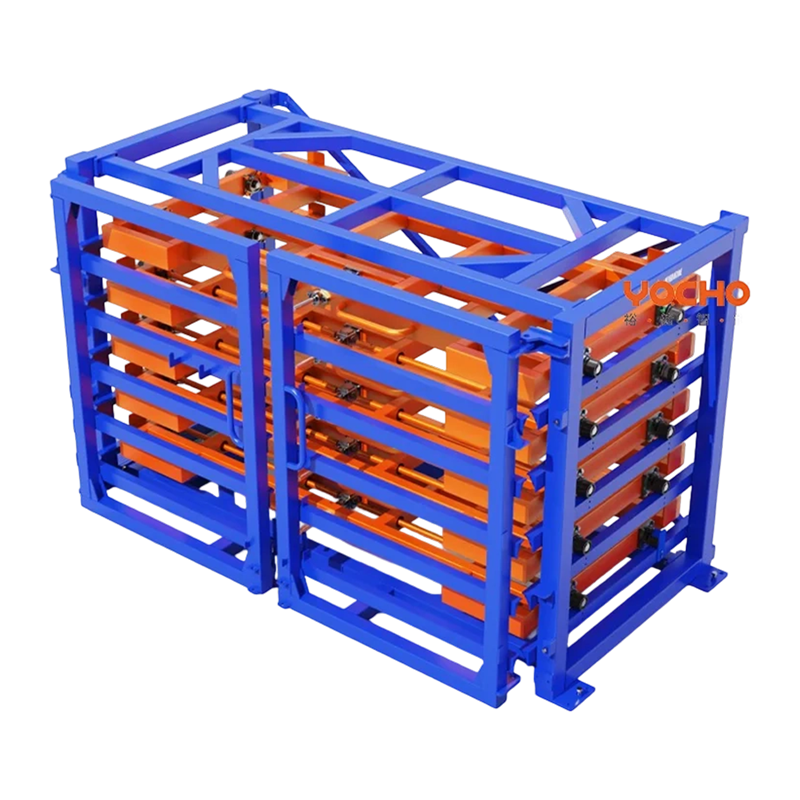
Horizontal racks store sheet metal flat, providing stability and minimizing the risk of bending. They are often used for thinner or softer sheets that require full support. Multi-tier horizontal racks allow stacking multiple sheets with protective layers between each tier. Access is typically provided via overhead cranes, hoists, or sliding mechanisms.
3. Cantilever Racks
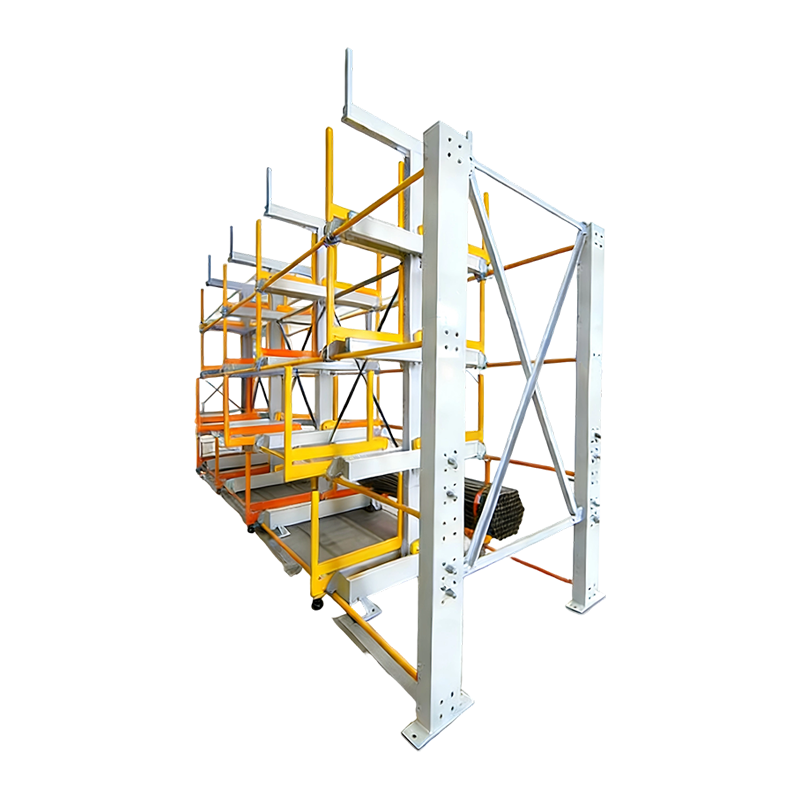
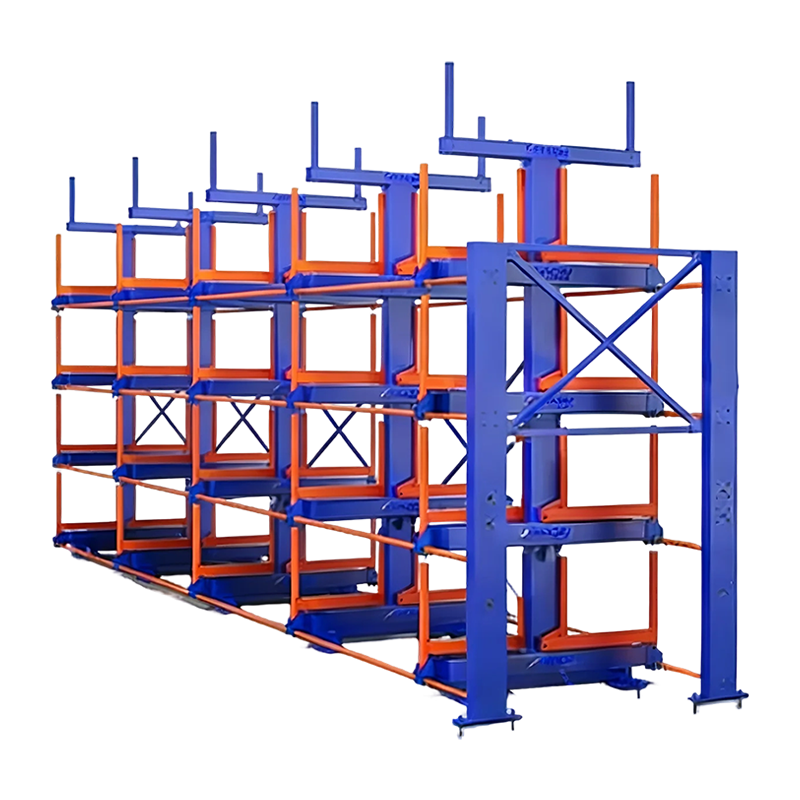
Cantilever racks feature arms that extend outward to support sheet metal without front columns, allowing easy loading and unloading. These racks are highly versatile, accommodating varying sheet lengths and thicknesses. They can be freestanding or wall-mounted and are ideal for long sheets or irregularly sized materials.
Material and Structural Considerations
1. Frame Material
Sheet metal racks are typically constructed from steel or reinforced aluminum to withstand heavy loads. Steel frames offer high load-bearing capacity and durability, while aluminum frames provide corrosion resistance and lighter weight. Coatings such as powder coating or galvanization improve longevity and protect against rust.
2. Load Capacity
Determining the load capacity is crucial for safety. Racks should be rated according to the weight of individual sheets and cumulative storage. Overloading racks can lead to structural failure, material damage, and workplace accidents. Always follow manufacturer specifications and include a safety margin.
3. Protective Features
Sheet metal racks often include protective components such as rubber padding, corner guards, or dividers to prevent scratches, dents, and edge damage. Adjustable supports allow adaptation to different sheet sizes and reduce movement during handling.
Installation Guidelines
1. Site Preparation
Before installation, ensure the floor is level and capable of supporting the combined weight of the racks and stored materials. Consider space for forklift access, maneuvering, and safety clearance. Adequate lighting and ventilation improve visibility and safety during storage operations.
2. Assembly and Alignment
Follow manufacturer instructions carefully to assemble racks correctly. Ensure vertical and horizontal alignment using levels and measuring tools. Proper alignment prevents uneven load distribution and potential tipping or collapse. Anchor racks to the floor or wall if required for added stability.
3. Safety Measures
Install safety barriers or guardrails around high-traffic areas. Clearly label load limits and ensure that personnel are trained in safe handling procedures. Racks with vertical storage should include support brackets to prevent tipping during sheet retrieval.
Operational Best Practices
1. Efficient Material Handling
Use forklifts, hoists, or overhead cranes for loading and unloading heavy sheets. Avoid dragging sheets on racks, as this may cause scratches or structural stress. Organize sheets by size and type to minimize movement and reduce handling time.
2. Proper Weight Distribution
Distribute sheet weight evenly across the rack to prevent bending or tipping. Place heavier sheets at lower levels and lighter sheets on top. In cantilever racks, balance sheets along the arms to maintain stability.
3. Inventory Management
Maintain clear labeling and inventory records. Track sheet usage to prevent overstocking or understocking. Implement a first-in, first-out (FIFO) system to ensure older sheets are used first and reduce material degradation.
Maintenance and Inspection
1. Regular Inspections
Inspect racks periodically for signs of wear, corrosion, or structural damage. Check for bent beams, loose bolts, and damaged protective features. Early detection prevents accidents and prolongs rack life.
2. Cleaning and Upkeep
Keep racks clean and free from dust, metal shavings, and debris. Regular cleaning prevents corrosion and reduces the risk of scratches or contamination of stored sheets.
3. Repairs and Replacement
Replace damaged components immediately, including beams, braces, and protective pads. For significant structural damage, consider full rack replacement. Adhering to proper maintenance schedules ensures safety and reliability in daily operations.
Conclusion
Sheet metal storage racks are essential for safe, efficient, and organized storage of metal sheets in industrial settings. By choosing the right type, following proper installation procedures, implementing operational best practices, and conducting regular maintenance, businesses can enhance productivity, reduce material damage, and maintain a safe workplace. Investing in high-quality racks and adhering to these guidelines ensures long-term efficiency and reliability in material handling operations.

If you are interested in our products, please consult us
PRODUCTS
NEWS CENTER
MOBILE TERMINAL

CONTACT US
- ADDRESS: Room 205, Office Building, Shandong Yurui Machinery Group Co., Ltd., at the intersection of Banqiao Road and Huangjin Road, Pingyi Street, Pingyi County, Linyi City, Shandong Province.
- PHONE: +86-19819101584
- EMAIL: [email protected]
Linyi Yocho Storage Intelligent Manufacturing Co.,Ltd. ALL RIGHTS RESERVED. ALL RESERVED. Warehouse Rack Manufacturers Warehouse Shelves Factory
