

 русский
 Español
 عربى
عربى
Long Material Storage Rack: Efficient Solutions for Lengthy Loads
 2026.02.09
 Industry News
Content
- 1 The Practical Value of a Long Material Storage Rack
- 2 What Defines a Long Material Storage Rack
- 3 Common Types of Long Material Storage Racks
- 4 Load Capacity and Safety Considerations
- 5 Space Optimization and Warehouse Layout
- 6 Materials Commonly Stored on These Racks
- 7 Installation, Maintenance, and Longevity
- 8 Choosing the Right Long Material Storage Rack
The Practical Value of a Long Material Storage Rack
A long material storage rack is the most efficient and safest way to store elongated items such as pipes, tubes, bars, profiles, timber, and metal sections. It keeps materials straight, accessible, and well-supported across their full length, preventing bending, surface damage, and workplace accidents. For warehouses and workshops handling materials over two meters long, this type of rack is not optional—it is a core infrastructure component.
Compared with floor stacking or makeshift supports, a dedicated long material storage rack improves space utilization and reduces handling time. Facilities that switch from floor storage to rack-based systems often report 20–35% faster material retrieval, simply because items are organized and visible.
What Defines a Long Material Storage Rack
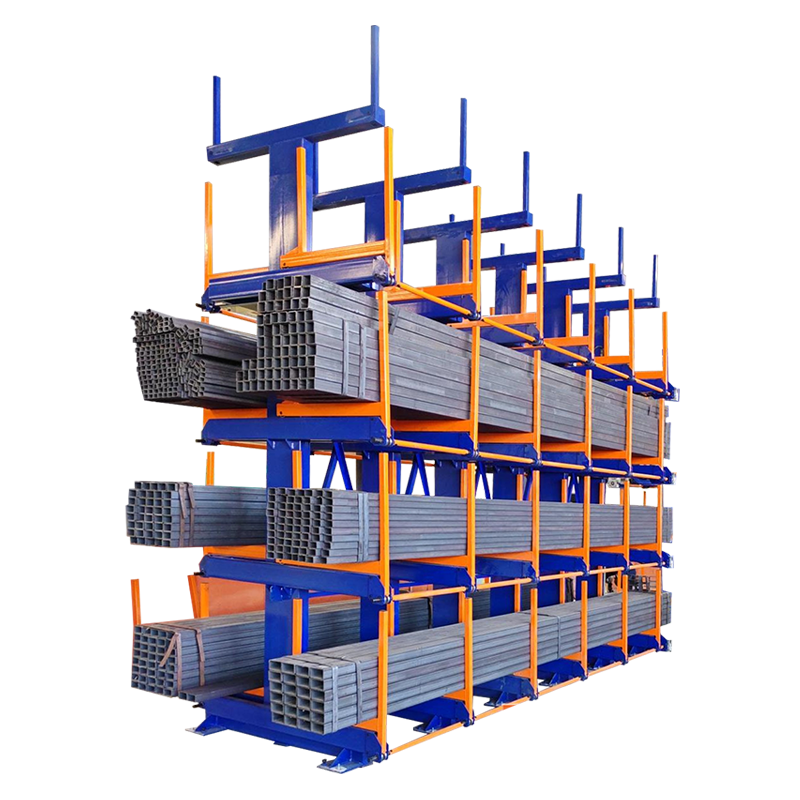
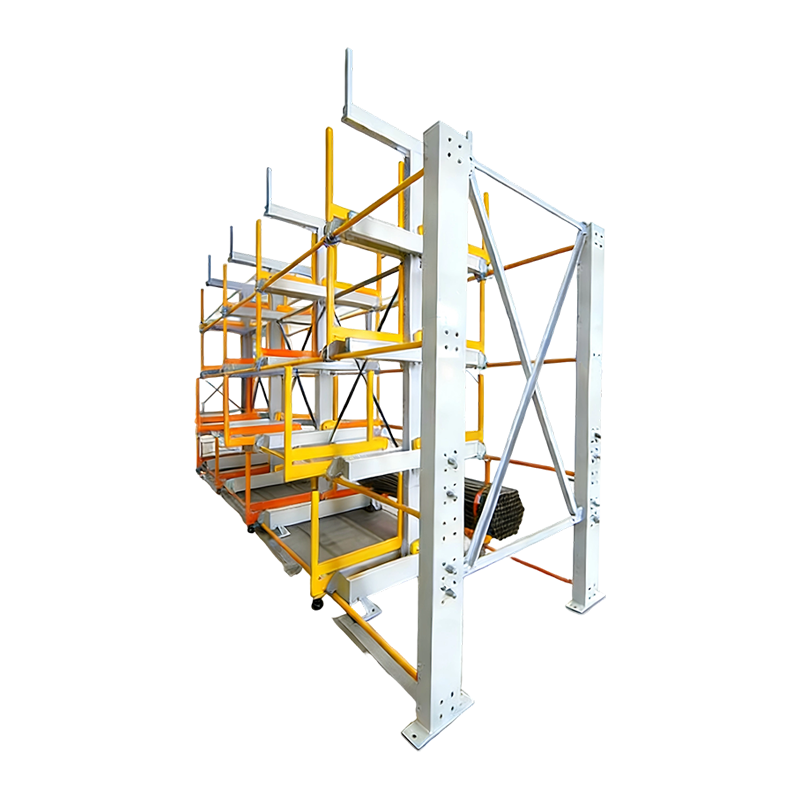
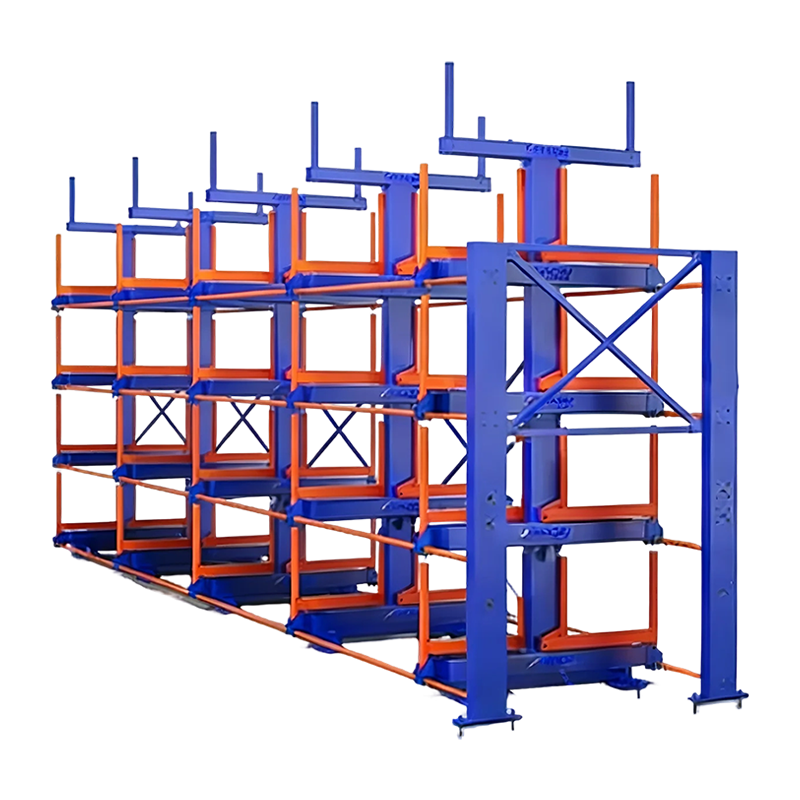
A long material storage rack is designed specifically to support materials with a high length-to-width ratio. Unlike pallet racking, which concentrates load at a few points, these racks distribute weight evenly along horizontal arms or cradles.
Typical structural features
- Cantilever or arm-based support system
- Heavy-duty columns anchored to the floor
- Adjustable arm heights for different material lengths
This configuration allows forklifts, side loaders, or cranes to access materials without obstruction, which is critical when handling steel beams or aluminum profiles longer than six meters.
Common Types of Long Material Storage Racks
Different materials and handling methods require different rack designs. Choosing the wrong type can lead to inefficiency or even safety risks.
| Rack Type | Load Capacity | Typical Use |
|---|---|---|
| Single-sided cantilever | Up to 1,500 kg per arm | Wall-side storage |
| Double-sided cantilever | Up to 3,000 kg per level | Central warehouse aisles |
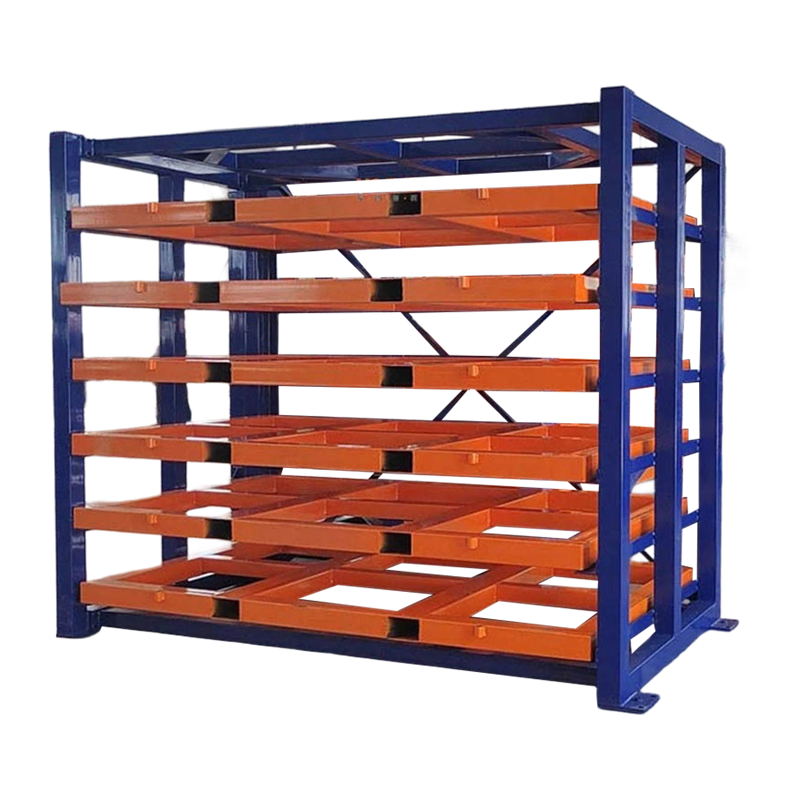
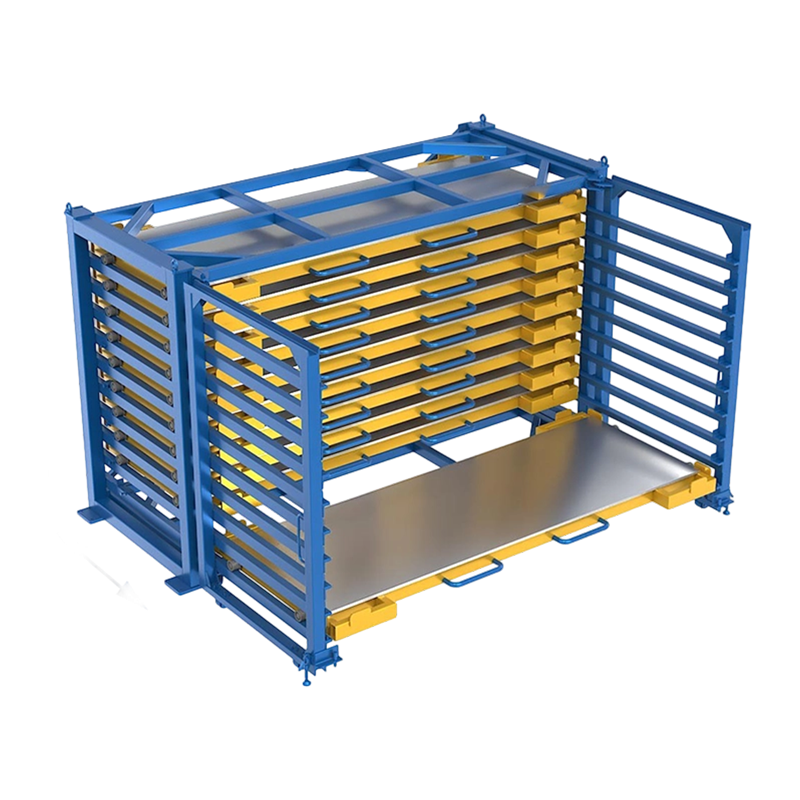
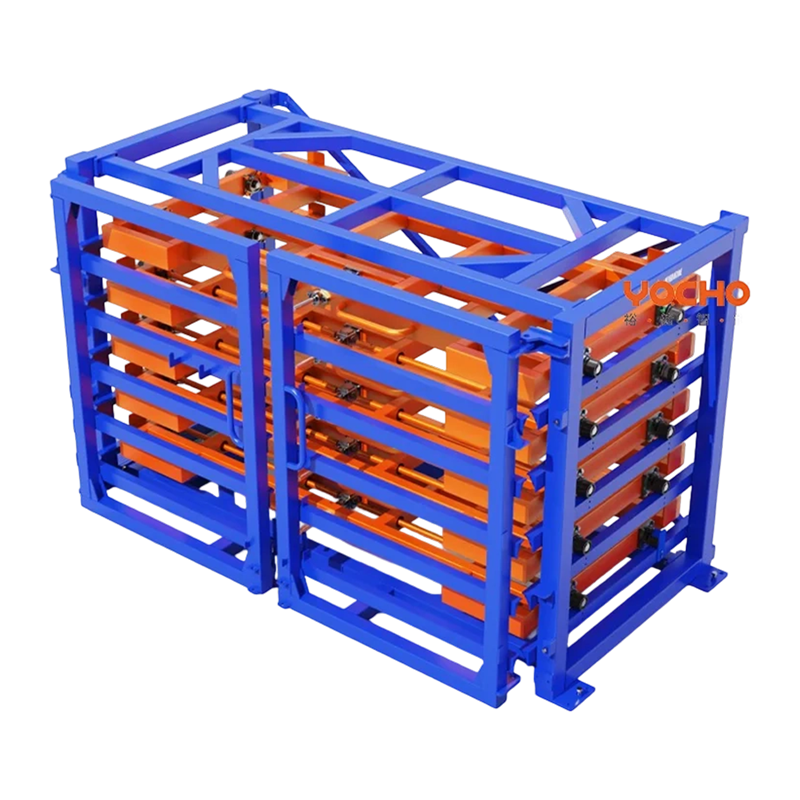
| Mobile long material rack | Up to 2,000 kg per bay | Space-constrained facilities |
Load Capacity and Safety Considerations
Load rating is one of the most critical factors when selecting a long material storage rack. Overloading arms or columns can lead to deflection, instability, or collapse. Industrial-grade racks are typically engineered with a safety factor of 1.5 to 2.0, meaning they can withstand significantly more than their rated load under normal conditions.
Safety accessories such as arm-end stops, back braces, and floor anchors further reduce risk. Facilities that implement proper rack safety standards often see a measurable drop in handling-related incidents, sometimes by more than 25% within the first year.
Space Optimization and Warehouse Layout
One of the biggest advantages of a long material storage rack is vertical space utilization. Instead of spreading materials across the floor, racks allow stacking upward while maintaining accessibility.
In warehouses with ceiling heights above six meters, cantilever racks can increase storage density by 30–50%. This improvement often delays or eliminates the need for facility expansion, resulting in substantial cost savings.
Materials Commonly Stored on These Racks
Long material storage racks are used across multiple industries due to their versatility. Metal service centers store steel pipes, stainless tubes, and aluminum extrusions, while construction suppliers rely on them for timber and PVC profiles.
Even lighter materials, such as plastic rods or composite panels, benefit from proper rack storage because it prevents warping and keeps inventory sorted by size and grade.
Installation, Maintenance, and Longevity
Proper installation is essential for long-term performance. Columns must be anchored to a level concrete floor, and arm alignment should be checked to ensure even load distribution. A professionally installed rack system can remain in service for 15–20 years with minimal maintenance.
Routine inspections focusing on arm deflection, bolt tightness, and column integrity help prevent costly failures and extend service life.
Choosing the Right Long Material Storage Rack
The right long material storage rack depends on material length, weight, handling equipment, and available space. Facilities storing heavy steel beams need reinforced arms, while operations focused on light profiles may prioritize adjustability and speed.
When correctly specified, a long material storage rack improves safety, boosts efficiency, and maximizes usable space, making it a foundational investment for any operation handling elongated materials.

If you are interested in our products, please consult us
PRODUCTS
NEWS CENTER
MOBILE TERMINAL

CONTACT US
- ADDRESS: Room 205, Office Building, Shandong Yurui Machinery Group Co., Ltd., at the intersection of Banqiao Road and Huangjin Road, Pingyi Street, Pingyi County, Linyi City, Shandong Province.
- PHONE: +86-19819101584
- EMAIL: [email protected]
Linyi Yocho Storage Intelligent Manufacturing Co.,Ltd. ALL RIGHTS RESERVED. ALL RESERVED. Warehouse Rack Manufacturers Warehouse Shelves Factory
