

 русский
 Español
 عربى
عربى
What materials are suitable for storing in Sheet Metal Storage Racks?
 2025.10.21
 Industry News
Content
1. Introduction to Metal Shelving Storage
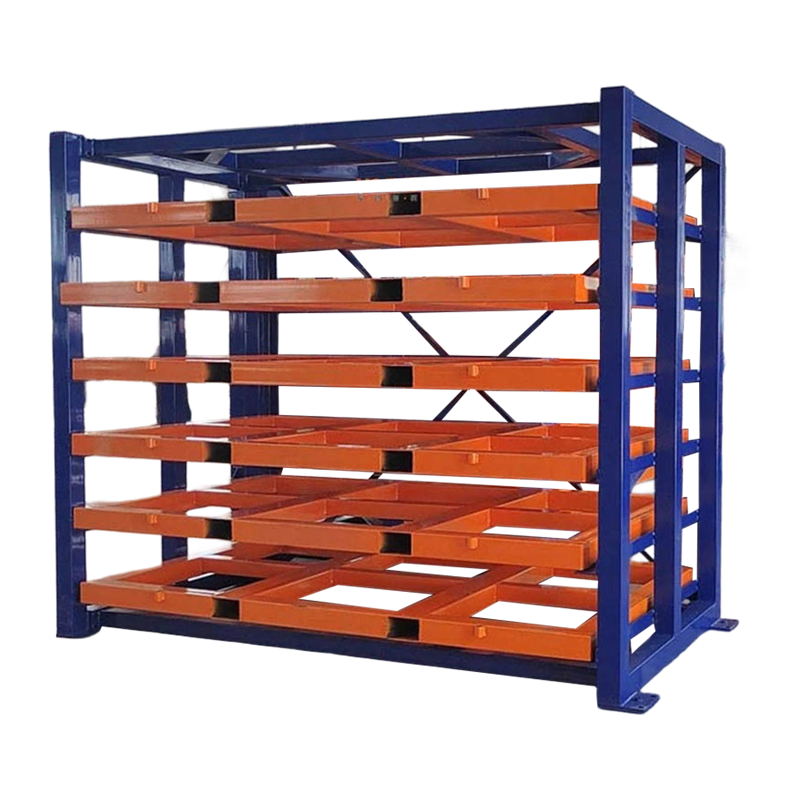
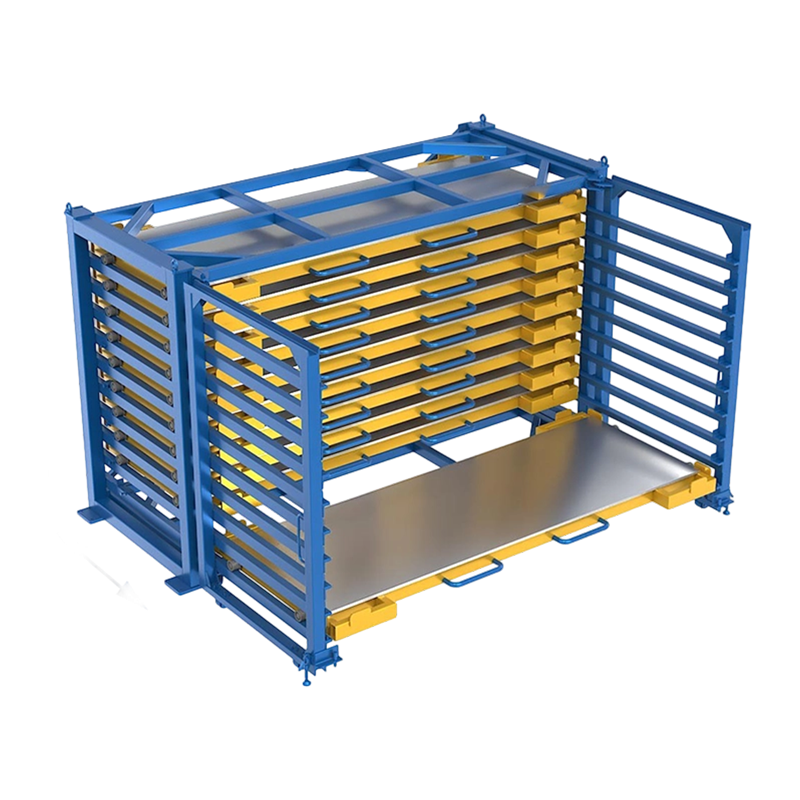
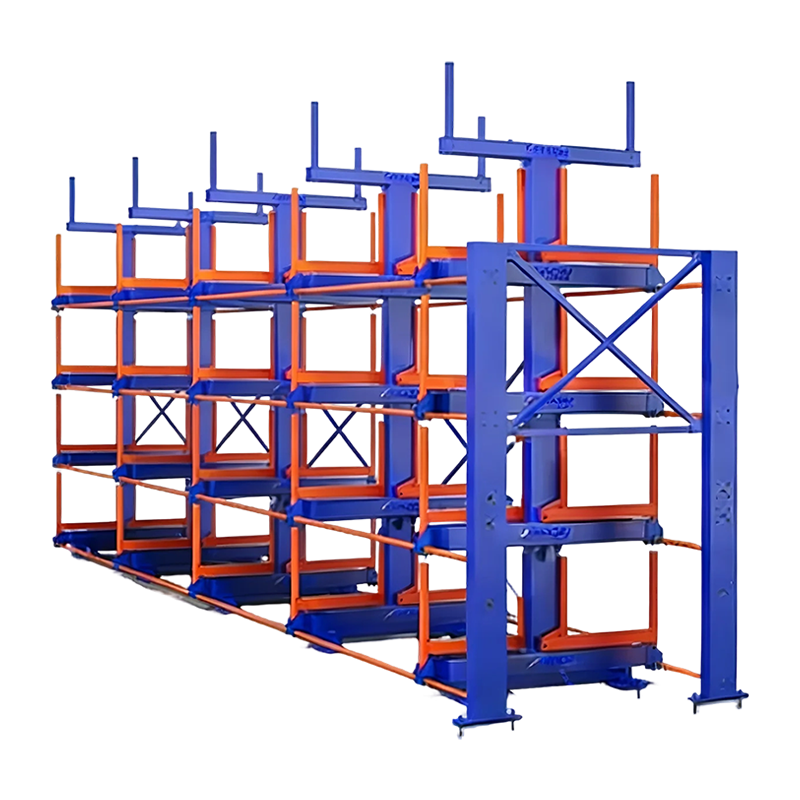
Sheet Metal Storage Rack is a versatile and durable storage solution widely used in warehouses, workshops, and even homes. Its robust construction allows it to support significant weight, making it ideal for organizing a wide variety of materials. However, not all materials are suitable for metal shelving, as factors like weight, corrosion potential, and stability play a key role in ensuring safe and efficient storage.
2. Metals and Metal Components
Metal shelving is naturally compatible with other metal materials, especially those that are corrosion-resistant. Items such as steel rods, aluminum sheets, and stainless steel components can be safely stored. These materials benefit from the shelving's ability to bear heavy loads without bending or collapsing.
- Steel plates and rods
- Aluminum sheets and frames
- Stainless steel components
- Small metal hardware like bolts, screws, and nuts (in containers)
It is recommended to keep metallic items slightly elevated on pallets or containers to prevent direct contact with moisture, which can lead to rusting, even on coated metal shelves.
3. Plastic and Polymer Materials
Plastic and polymer materials are well-suited for metal shelving due to their lightweight nature and resistance to corrosion. These items do not add excessive weight, allowing for efficient use of shelf space without risking structural integrity.
- Plastic storage bins and containers
- Polypropylene and polyethylene sheets
- Plastic piping and tubing
- Small plastic components for assembly or packaging
For optimal organization, labeling plastic bins and segregating items by type or usage frequency can significantly improve accessibility and safety.
4. Non-Perishable Goods
Metal shelving is ideal for storing non-perishable goods, including boxed products, packaged items, and bulk supplies. The durability of metal shelves ensures that even heavy boxes can be stored without damage or risk of collapse.
- Canned foods and dry goods in warehouses
- Office supplies such as reams of paper and printer cartridges
- Textiles and packaged clothing
- Tools and small equipment in workshops
When storing non-perishable goods, it is important to distribute weight evenly across shelves. Heavier items should be placed on lower levels to prevent tipping and facilitate safe access.
5. Chemical and Hazardous Materials
Certain chemicals and hazardous materials can be stored on metal shelving, provided that proper precautions are taken. Compatibility with the shelving material and containment measures are crucial to prevent reactions or leaks.
- Sealed containers of cleaning chemicals
- Paint cans and solvents (in corrosion-resistant shelving)
- Small quantities of laboratory reagents
Ensure that hazardous items are stored away from high-traffic areas and labeled clearly. Using secondary containment trays can protect the shelves and surrounding items from spills or leaks.
6. Electronics and Delicate Items
While metal shelving is sturdy, sensitive electronics and delicate items require additional protection to avoid damage from vibration or accidental contact with metal surfaces. Using padded containers or shelving liners is recommended.
- Computers and peripheral devices in anti-static bins
- Delicate glassware or optical instruments
- Small mechanical parts with precise tolerances
Electronics should be stored in controlled environments where temperature and humidity are monitored, as metal shelving alone does not provide insulation or moisture protection.
7. Weight Distribution and Load Management
Regardless of the material type, proper weight distribution is critical for safe storage on metal shelving. Overloading shelves or placing heavy items unevenly can compromise stability and lead to accidents.
- Place heavier items on lower shelves to lower the center of gravity
- Use evenly spaced supports or dividers to prevent sagging
- Follow manufacturer weight limits for each shelf level
Regular inspection of metal shelving for signs of wear, bending, or corrosion is recommended, especially in environments with fluctuating humidity or heavy use.
8. Conclusion
Metal shelving offers a practical and durable solution for storing a wide range of materials, from metals and plastics to non-perishable goods and even certain hazardous substances. By understanding material compatibility, weight limits, and proper storage techniques, users can maximize shelf life, improve organization, and ensure workplace safety. Regular maintenance and careful placement of items will further enhance the longevity and reliability of metal shelving systems.

If you are interested in our products, please consult us
PRODUCTS
NEWS CENTER
MOBILE TERMINAL

CONTACT US
- ADDRESS: Room 205, Office Building, Shandong Yurui Machinery Group Co., Ltd., at the intersection of Banqiao Road and Huangjin Road, Pingyi Street, Pingyi County, Linyi City, Shandong Province.
- PHONE: +86-19819101584
- EMAIL: [email protected]
Linyi Yocho Storage Intelligent Manufacturing Co.,Ltd. ALL RIGHTS RESERVED. ALL RESERVED. Warehouse Rack Manufacturers Warehouse Shelves Factory
